Lithium-ion batteries, similar to an "electric energy savings tank", are secondary batteries capable of repeated charging and discharging. what uses lithium-ion batteries?At present, this technology has been widely used in consumer electronics, electric transportation, aerospace, energy storage systems, data centers and other fields. Especially in data centers, lithium-ion batteries have become the preferred power backup solution. What are lithium-ion batteries used for in Data Centers?The following will elaborate in detail around this application scenario.
What Are Lithium-ion Batteries Used For in Data Centers?
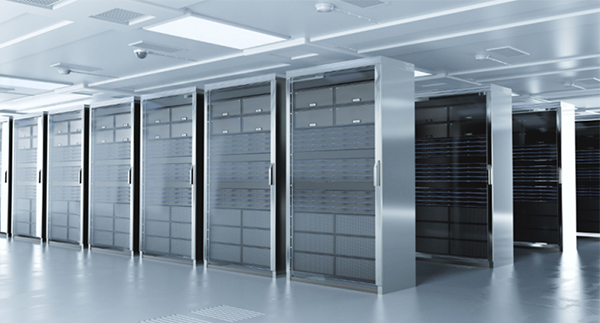
As a key carrier of massive data, data centers serve as the core hubs of informatization. Among them, the power supply and distribution system, as the core subsystem of a data center, ensures the stable operation of IT equipment and serves as the prime application scenario for lithium-ion batteries.
● UPS battery
Power supply is the lifeline of data centers. If the mains power is interrupted, it may trigger serious consequences such as data loss, system crashes, and business interruptions, causing incalculable losses. However, lithium-ion batteries can provide 15 minutes of backup power for the IT equipment in data centers, buying critical time for emergency response and power restoration.
● Serve as an energy storage device
As a "heavy power consumer," data centers need to optimize operational maintenance management and resource scheduling to improve energy efficiency and reduce power consumption costs and supply pressure. Lithium-ion battery systems can serve as energy storage devices to meet the demand for power off-peak scheduling in data centers.
What Are the Advantages of Lithium-ion Batteries in Data Center Backup Power?
After introducing the applications of lithium-ion batteries, let's discuss why data centers widely choose lithium-ion batteries.:
● High energy density:The energy density of lithium-ion batteries far exceeds that of traditional batteries. This means that they can store more electricity per unit of weight or volume and provide a more powerful and stable power output.
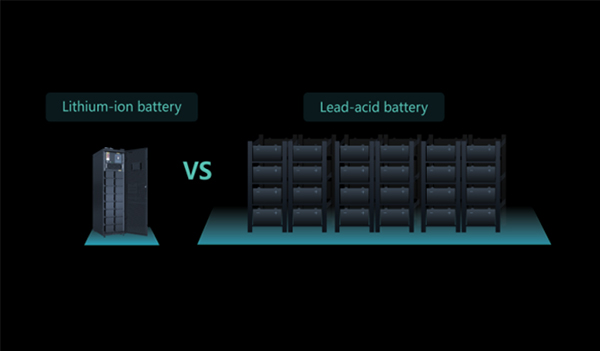
● Compact footprint saves space for more equipment deploymen: Under the same power demand, using a lithium-ion battery system as the backup power source for a data center can significantly reduce the volume and weight of the battery system. This saves more space and optimizes the overall spatial layout, enabling the deployment of more core devices such as servers and data storage equipment.
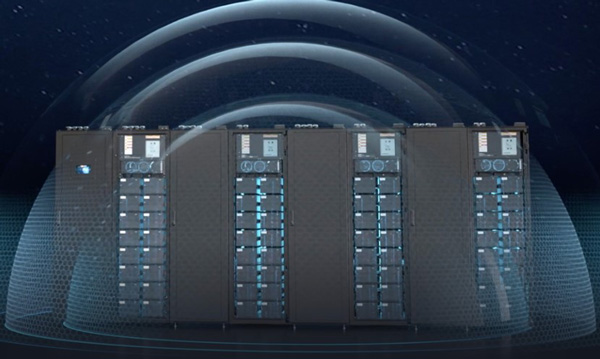
Take Huawei SmartLi (Lithium Battery) as an example. It adopts a high-density cabinet design. which can save approximately 70% of the floor space compared to lead-acid battery, making installation and deployment more convenient.
● Intelligent management system: The built-in Battery Management System (BMS) of lithium-ion batteries,combined with Huawei UPS and network management system, can enable intelligent battery management.Meanwhile, the BMS can monitor various status indicators of the battery in real time, such as voltage, temperature, input/output current, and provide multiple protections for the battery.
● Long lifespan: Lithium-ion batteries have a longer cycle life than traditional batteries. In particular, lithium-ion batteries using lithium iron phosphate (LFP) cells have good cycle stability and thermal stability, and their cycle life can even reach more than 5000 times, which can significantly reduce the replacement frequency and cost of the battery pack.
● Environmental protection: Lithium-ion batteries are "environmentally friendly" batteries. They do not contain heavy metals or toxic and harmful substances, making them greener and more environmentally friendly.
● High safety: Lithium-ion batteries have relatively high safety under the current technological conditions, especially those products with more comprehensive safety designs.
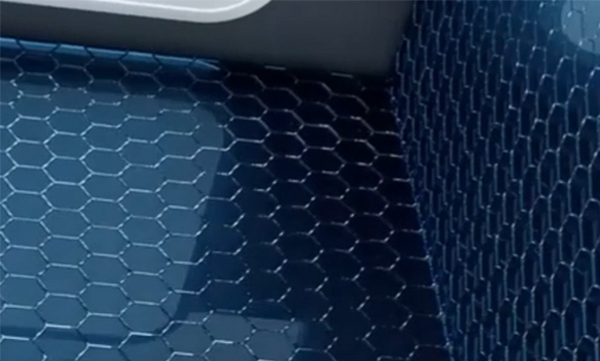
Take Huawei SmartLi Lithium-ion Battery as an example. It not only uses a 3D cellular protection net and an all-plastic compartment design to isolate micro short circuits, but also comes with a pack-level fire extinguisher that can be automatically triggered at high temperatures to accurately suppress the thermal runaway of cells.
Conclusion
What are lithium-ion batteries used for? Based on what has been described above, the answer is already obvious. With the advantages of high energy density, intelligent management, long cycle life, environmental friendliness, lithium-ion batteries are playing an increasingly important role in data centers. It is not difficult to foresee that with the technological iteration and the maturity of the ecosystem, lithium-ion batteries will be more widely applied in the future.
FAQs
What are the main uses of lithium-ion batteries?
Lithium ions have been widely used in multiple fields. In the consumer electronics sector, they can power electronic products such as smartphones, laptops, and smartwatches;In the transportation sector, they serve as the core power source for electric vehicles and electric bicycles;In the energy storage system sector, they can be used for home or industrial and commercial energy storage, power grid energy storage, etc.
How to choose lithium-ion batteries suitable for data centers?
Data centers can choose to adopt lithium-ion batteries using lithium iron phosphate (LFP) cells,with high energy density, high charge-discharge efficiency, and longer cycle life. These batteries can save machine room space, provide continuous and stable power supply, and reduce maintenance and replacement costs.
What are the advantages of a lithium-ion battery?
Lithium-ion batteries offer advantages such as high energy density, long cycle life, and low self-discharge rate. They can not only reduce space occupation and battery replacement frequency but also ensure stable equipment operation. Meanwhile, they excel in safety and environmental protection, being more friendly to the environment.
How often do the lithium-ion batteries in a data center need to be replaced?
The replacement frequency of lithium-ion batteries in data centers is not a fixed value. For example, lithium-ion batteries using lithium iron phosphate (LFP) cells, with thermal stability and a longer service life, are expected to easily last for more than 10 years. By carrying out regular maintenance and upkeep, the service life of the batteries can be further extended, and the replacement frequency of the batteries can be reduced.
Disclaimer: Any views and/or opinions expressed in this post by individual authors or contributors are their personal views and/or opinions and do not necessarily reflect the views and/or opinions of Huawei Technologies.