Under the dual pressures of global climate change and the energy crisis, green energy has gradually become the focus of the energy sector. It is not only the key to solving environmental problems but also the driving force behind humanity’s sustainable development. So, what is green energy? What are its types and applications? Let's explore these questions in depth.
What is Green Energy?
Green energy, also known as clean energy, refers to the energy that produce little to no pollutants or greenhouse gas emissions during production and use, and whose resources can be continuously regenerated. Unlike traditional fossil fuels such as coal, oil, and natural gas, green energy’s utilization is environmentally friendly, effectively reducing air and water pollution as well as ecosystem damage. Its core characteristics are sustainability and environmental friendliness, aiming for a harmonious balance between energy supply and ecological protection.
Types of Green Energy
Green energy mainly includes Solar Energy, Wind Energy, Hydropower, Geothermal Energy, Biomass Energy.
Solar Energy
Solar energy is one of the most emblematic forms of green power. It converts sunlight into electricity or heat via the photovoltaic effect or solar thermal technology.
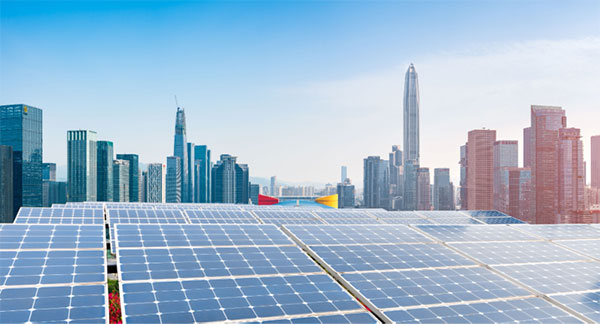
● Photovoltaic panels are widely deployed on home rooftops and in large-scale solar farms.
● Solar water heaters capture solar heat to provide hot water. With inexhaustible, renewable resources and zero emissions during operation, solar energy is a cornerstone in addressing climate change.
Wind Energy
Wind energy harnesses the kinetic force of wind to spin turbine blades, which drive generators to produce electricity. Wind farms may be located onshore or offshore—the latter offering higher wind speeds and greater stability. Wind power generation requires no water and emits no greenhouse gases, making it a mature and widely used green technology.
Hydropower
Hydropower generates electricity by tapping the potential or kinetic energy of flowing water in rivers and lakes. According to the scale and construction methods of hydropower stations, they can be divided into large-scale dams, small hydro plants, and pumped-storage stations. Hydropower offers stable output and strong grid-balancing capabilities; however, large-scale dams must carefully consider ecological impacts and the resettlement of affected populations. Therefore, issues such as ecological protection and resettlement of immigrants need to be fully considered during the development process.
Geothermal Energy
Geothermal energy exploits the Earth’s internal heat. Drilling brings hot water or steam to the surface for power generation, district heating, and spa applications. Geothermal is weather-independent and highly reliable—so much so that, in places like Iceland, it is a primary energy source. Shallow geothermal systems (ground-source heat pumps) also provide efficient year-round temperature control in buildings.
Biomass Energy
Biomass energy derives from organic materials such as crop residues, forestry by-products, and animal waste. Conversion methods include direct combustion for power generation and refining into biofuels like ethanol and biodiesel. For example, using straws to generate electricity both cuts pollution from open burning and recycles agricultural waste. As a renewable, carbon-neutral resource, biomass helps reduce reliance on fossil fuels.
Benefits of Green Energy
The advantages of green energy are reflected in many aspects:
● Environmental Friendliness: Green energy can significantly reduce greenhouse gas emissions and mitigate global warming.
● Sustainability: Green sources such as solar, wind, and hydropower cycle naturally, ensuring long-term availability.
● Reduced Energy Dependence: Developing green energy lessens reliance on imported fossil fuels and diversifies the energy supply.
● Economic Benefits: Expansion of the green energy industry creates jobs, drives sustainable economic growth, and supports industrial upgrading.
Challenges in Adopting Green Energy
Although green energy holds great promise, it still faces several obstacles in its promotion and application:
Technical Maturity: Some green energy technologies—such as energy storage—are not yet fully developed, leading to challenges in supply stability and continuity.
Economic Barriers: High upfront investment costs for green projects, combined with imperfect energy pricing mechanisms in some regions, can dampen investor enthusiasm.
Policy and Public Awareness: Inconsistent policy support and limited public understanding of green energy also constrain its development.
Uses and Examples of Green Energy
How does green energy work? The applications of green energy span multiple sectors—including power generation, transportation, industry, construction, agriculture, and manufacturing. For example:
Solar Power Generation: Photovoltaic panels convert sunlight into electricity for lighting and appliances.
Building Integration: Architects embed solar panels in façades and rooftops to reduce reliance on the grid.
Agricultural Renewables: Wind turbines and PV arrays in rural areas power farms and cut fossil-fuel use.
Urban Micro-Wind: Small rooftop or building-mounted wind turbines provide auxiliary power for city buildings.
Solar Heating & Cooling: Solar collectors heat water or air—supplying hot water in homes, hotels, and schools, or pre-heating air for HVAC systems.
Geothermal Heating: Ground-source heat pumps use subsurface heat to warm and cool buildings efficiently.
Hydrogen Fuel Cells: Convert hydrogen into electricity to power vehicles, slashing carbon emissions.
To be more specific, take Huawei Home Green Power as an example. Through photovoltaic power generation, it can provide villa users with an integrated solar-storage clean energy solution. Its high-efficiency photovoltaic panels and intelligent components can significantly increase power generation, reduce carbon emissions, and help users save on electricity bills. It is also equipped with an intelligent photovoltaic management system, allowing users to monitor and manage power generation, energy storage, and power consumption data in real time for panoramic visualization. In addition, it has multiple safety protection measures, such as an intelligent arc protection system that can cut off the power supply within 0.5 seconds to ensure electrical safety, as well as active protection, emergency protection, and cell-level protection, which can provide long-term stable power supply and help users achieve both a high quality of life and low-carbon environmental protection.
Conclusion
The above provides an overview of "what is green energy". Far from being an abstract concept, green energy is already woven into our daily lives—improving our living environment and preserving the blue sky above. In the years ahead, as a vital solution to both energy and environmental challenges, green energy will take a leading role in the global energy landscape.
FAQs
What are the 3 benefits of green energy?
The three major benefits of green energy are:
● Clean and environmentally friendly: Zero or minimal emissions.
● Renewable: Ensures long-term energy security.
● Economic growth: Drives related industries and sustainable development. This also answers the question of "why is green energy important".
What are the types of green energy?
Green energy includes solar, wind, hydropower, geothermal, and biomass energy. It also encompasses hydrogen and ocean energy. All these sources are renewable and generate little to no pollution during production or use.
What does green energy mean?
Green energy, also known as clean energy or renewable energy, refers to sources that have minimal environmental impact and low pollution emissions during production. It is renewable, environmentally friendly, and low-carbon, making it essential for addressing climate change and achieving sustainable development.
Disclaimer: Any views and/or opinions expressed in this post by individual authors or contributors are their personal views and/or opinions and do not necessarily reflect the views and/or opinions of Huawei Technologies.