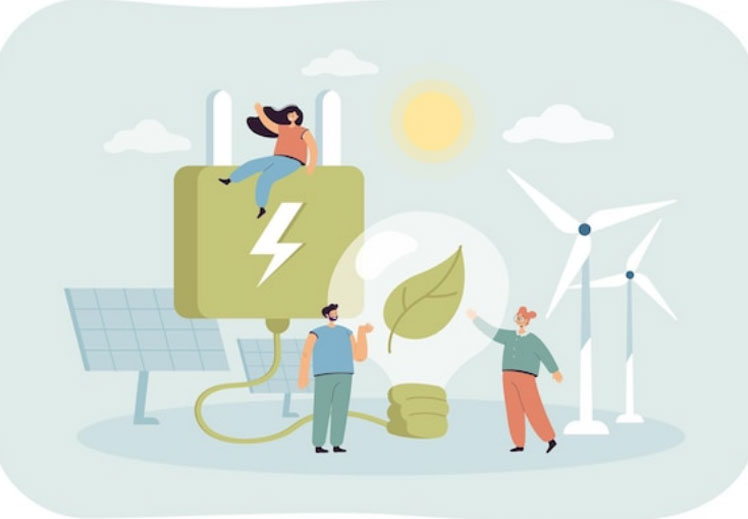
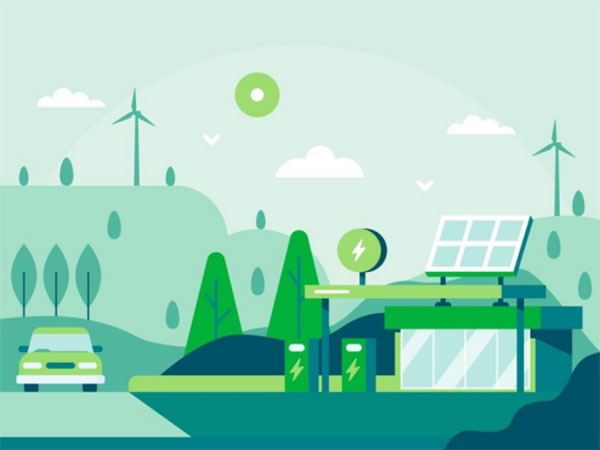
In the current context, where the world is actively pursuing sustainable energy development, the topic of "clean energy vs renewable energy" has become highly prominent. Both of these energy types play crucial roles in addressing climate change, ensuring energy supply, and enabling low-carbon production. This article will guide you through the definitions of these two energy sources and explore which one is more suitable for practical applications.
What is Clean Energy?
Clean energy, also known as green energy, refers to energy sources that do not emit pollutants and can be used directly in production and daily life. It includes non-renewable energy such as nuclear energy and natural gas, as well as renewable energy such as solar energy and wind energy.
Clean energy emphasizes environmental friendliness. Its resources tend to be geographically concentrated—for example, global nuclear fuels (mainly uranium ore) are primarily found in a few countries such as Australia, Kazakhstan and Canada. As a result, some nations must import nuclear fuel to develop nuclear power, and resource accessibility is influenced by international politics and the global economy.
What is Renewable Energy?
Renewable energy encompasses solar power, hydropower, wind power, biomass, ocean energy, geothermal energy, and more. These sources naturally cycle in the environment and are virtually inexhaustible—they regenerate automatically without human intervention, offering sustainability and environmental friendliness.
At the same time, renewable resources exhibit clear regional and seasonal patterns. For instance, solar energy is abundant in regions with ample sunlight but scarce at high latitudes or in areas with frequent rain and clouds. Hydropower depends on river flow and elevation drop, so it is more plentiful in regions with high rainfall and significant topographical variation.
Clean Energy vs Renewable Energy:Which is Best?
Both clean energy and renewable energy have distinct advantages, so it is impossible to label one simply “better” than the other. Instead, decision-makers must weigh factors such as the resource availability, energy demand, technological maturity, and environmental requirements in different regions and enterprises, then select the most suitable energy type or combination. When enterprises choose between clean energy and renewable energy, they need to comprehensively consider the stability of energy supply, environmental impact, technological maturity, and cost.
Stability of Energy Supply
For fields with high requirements for stability—such as large-scale industrial production, hospitals, and data centers—clean energy may be more suitable. By contrast, renewable sources such as solar and wind are inherently intermittent and require additional measures—such as energy storage or flexible grids—to achieve comparable reliability.
Where some fluctuation is acceptable and local conditions provide abundant solar or wind resources, small-scale, decentralized renewable installations can effectively meet community demand. These decentralized systems can be rapidly deployed, scaled as needed, and help reduce dependence on centralized generation while potentially lowering overall energy costs.
Environmental Impact
From the perspective of reducing greenhouse gas emissions and air pollution, nuclear energy—as a form of clean energy—produces virtually no CO₂ or other conventional pollutants during operation, making it highly valuable for combating climate change and improving air quality.
If the focus is placed on the ecosystem protection and sustainable development, renewable energy is often the better choice. Its overall environmental footprint is relatively small during development and operation, and most renewable projects can further minimize ecological impacts through careful planning and mitigation measures.
Technological Maturity and Cost
At present, the technologies for natural gas storage and transportation are relatively mature, and some countries also have long-term experience in operating nuclear power generation technologies.When technical expertise and financial resources are strong and stable, nuclear development can meet large-scale energy needs—though high upfront plant costs necessitate careful evaluation of economic strength and long-term cost-effectiveness.
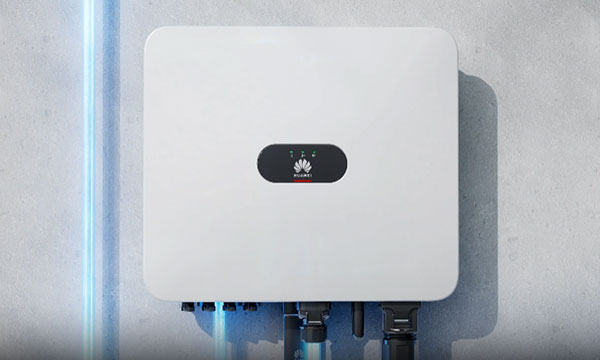
In some developing countries or regions, as well as in sectors that are highly sensitive to energy costs, renewable energy can be deployed through small-scale, decentralized installations to reduce supply costs and meet local demand. For example, Huawei Residential PV+ESS Solution captures sunlight through smart modules, then uses an Intelligent Energy Controller to convert DC into AC, and finally dispatches stored power via its intelligent string-based energy storage units to supply your loads. This seamless “sunlight-to-electricity” conversion delivers an exceptional power experience for homeowners, marrying enhanced living comfort with a commitment to low-carbon sustainability.
Conclusion
In conclusion, the comparison between "clean energy vs renewable energy" is not simply a matter of right or wrong. Clean energy includes both nuclear and renewable sources, with a focus on environmental friendliness. Renewable energy—an essential subset of clean energy—emphasizes sustainability and enjoys broad geographic distribution. In practice, enterprises should consider their actual needs, resource conditions, and development goals holistically. Meanwhile, the Huawei Digital Energy Management Platform contributes to renewable energy development and promotes efficient energy utilization.
FAQS
Are renewable energy and clean energy the same thing?
No. Clean energy covers all low-pollution power sources, including renewables (solar, wind, hydro) and certain non-renewables such as nuclear and natural gas with carbon capture. Renewable energy, by contrast, only comprises resources that naturally regenerate (e.g., sunlight, wind, biomass).
What are examples of clean energy?
Clean energy examples include renewable sources—solar photovoltaics, wind turbines, hydropower dams, and biomass combustion—and non-renewables like nuclear power and natural gas equipped with carbon capture technology. Together, these sources help decarbonize electricity, heating, and transport sectors.
What is the meaning of clean energy?
Clean energy, namely green energy, refers to the energy that causes no pollution or very little pollution to the environment during the production and use processes. It emphasizes both environmental protection and public health benefits by reducing smog, acid rain, and carbon emissions.
Is clean energy always renewable?
No. Clean energy includes both renewable and non-renewable sources. For instance, the nuclear fuels (such as uranium ore) used in nuclear power are limited on Earth and cannot be regenerate in a short time after being consumed.
Disclaimer: Any views and/or opinions expressed in this post by individual authors or contributors are their personal views and/or opinions and do not necessarily reflect the views and/or opinions of Huawei Technologies.