Investing in green energy is more than just a financial decision—it's a commitment to a sustainable future. As the world shifts towards renewable sources like solar, wind, and hydropower, understanding how to invest in green energy becomes crucial for those looking to make a positive environmental impact while potentially earning returns. This article will explore the fundamentals of green energy, its significance in modern ecosystems, current applications, challenges, and how you can get involved in supporting this vital sector.
What is Green Energy?
Green energy refers to energy produced from sources and through methods that cause minimal or zero harm to the natural environment. Unlike conventional fossil fuels, green energy sources do not emit greenhouse gases during generation, making them central to combating climate change and preserving ecosystems. Common types include:
Solar Power: Converts sunlight into electricity using photovoltaic cells or concentrated solar systems.
Wind Energy: Harnesses wind through turbines to generate power.
Hydropower: Utilizes the flow of water in rivers or dams.
Geothermal: Taps into Earth’s internal heat for electricity and heating.
What Is the Role of Green Energy in Modern Ecosystems?
Green energy underpins ecological and societal well-being by sustaining natural cycles and supporting long-term growth.
Promote Ecological Balance
By replacing fossil fuels, green energy reduces harmful emissions that disrupt atmospheric chemistry and acidify oceans. For example, solar and wind installations help curb carbon dioxide and particulate matter, leading to improved air and water quality and healthier habitats for wildlife.
Promoting Sustainable Development
Investing in green energy often foster local economic growth through job creation in manufacturing, installation, and maintenance. In agriculture, solar-powered irrigation reduces dependence on diesel pumps, cutting both costs and carbon footprints. As data centers expand, major tech firms increasingly procure renewable power to align operations with sustainability targets.
Where Is the Application Status of Green Energy Reflected?
Green energy is reshaping industries and infrastructure worldwide, with its adoption visible in four key areas:
1. Power Generation and Grid Modernization
Renewable technologies now account for the majority of new global power capacity, with wind and solar regularly outpacing coal in many regions. To balance these variable outputs, advanced grid‑management platforms aggregate generation forecasts, load profiles, and storage data in real time—smoothing peaks, tracking carbon footprints, and maximizing system reliability.
2. Transportation Electrification
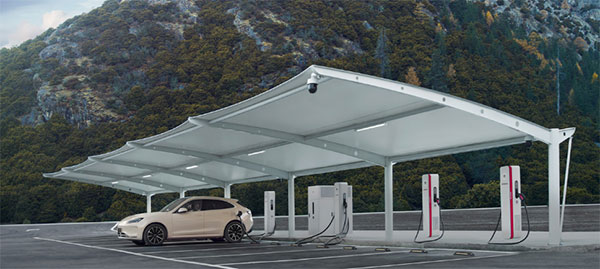
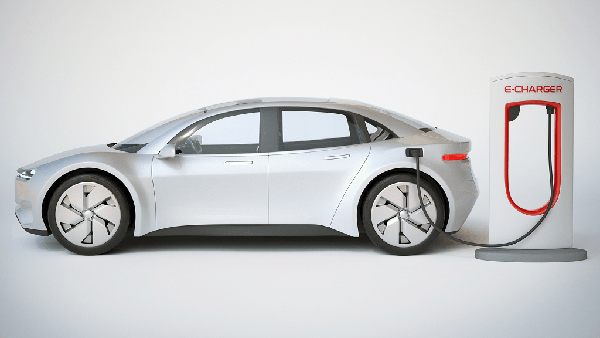
As road transport decarbonizes, intelligent charging infrastructure becomes critical. Huawei Smart Charging Network offers a unified solution for electric‑vehicle fleets and public charging operators, delivering features such as dynamic load management, user authentication, and energy optimization across every charging station. By integrating renewables directly into the charging mix, this network ensures cost‑effective, green mobility at scale.
3. Green ICT Infrastructure
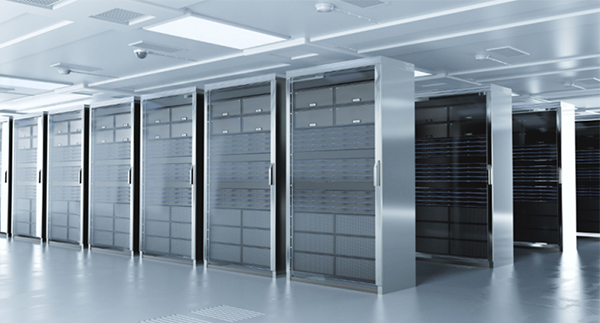
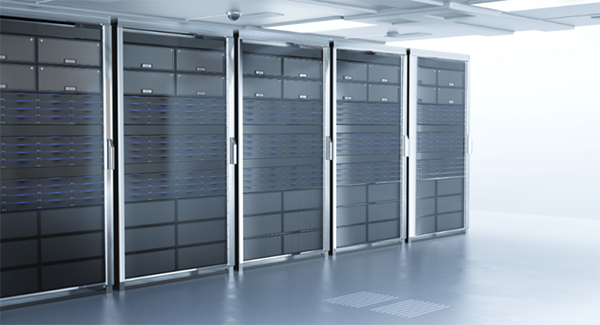
Data centers have grown into significant energy loads but are increasingly underpinned by renewable power purchase agreements and on-site installations to curb emissions. Major tech companies now treat green energy as a strategic imperative, driving continuous demand for green power across the ICT sector.
4. Industrial and Residential Energy Systems
Distributed solutions like rooftop solar and industrial bioenergy are decentralizing generation, enabling factories and homes to meet part of their own power needs. Many sites now pair green energy with local storage and microgrid controls to boost resilience and reduce reliance on conventional fuels.
Challenges in Scaling Green Energy Solutions
Transitioning to green energy is thrilling, but it’s not without its growing pains. Here are the four biggest hurdles:
Grid Stability Needs Smarter Controls
As solar and wind output waxes and wanes with weather, grids must get more flexible. Advanced forecasting, energy-storage systems, and upgraded transmission lines help balance those swings and keep power flowing smoothly. Huawei intelligent string-inverter and grid-forming ESS platform integrates modular storage units with real-time inverter control, providing fast frequency response and voltage support to reinforce grid stability under variable renewable generation.
Supply Chain Constraints Threaten Timelines
Batteries and turbines rely on a handful of key materials—lithium, cobalt, nickel, and rare earths—whose prices can be highly volatile. Delays in mining permits or shipping bottlenecks can ripple through the entire green‑energy equipment market.
Economic Paradox of Low-Cost Power
As solar power reaches record‑low costs, it challenges traditional generators to adapt, driving innovation in market designs and cost‑recovery models. Rather than undermining system health, this evolution encourages diversified revenue streams, enhanced flexibility services, and long‑term resilience in the energy sector.
How Do Green Energy Suppliers Work?
Understanding how do green energy suppliers work is key to ensuring every kilowatt-hour you consume truly supports renewables. Here’s the simplified process:
1. Power Purchase Agreements (PPAs)
Suppliers sign multi-year contracts with renewable projects—like wind farms or solar parks—agreeing to buy their output at a set price, which helps developers secure financing and build new green energy capacity.
2. Renewable Energy Certificates (RECs)
For each megawatt-hour generated, suppliers receive a certificate confirming its renewable origin. When you purchase green energy, those RECs retire on your behalf, guaranteeing an equivalent amount of clean power entered the grid.
3. Bundling and Tracking
Although electrons mix on the grid, careful accounting and tracking software tie your consumption to specific renewable sources. This bundling lets suppliers offer 100 percent green energy plans that truly offset your usage.
4. Continuous Verification
Third-party auditors and registries ensure that PPAs and RECs aren’t double‐counted, preserving transparency and trust in green energy markets.
By leveraging these mechanisms, green energy suppliers channel revenue directly into clean generators—spurring further deployment and keeping your grid footprint as eco-friendly as possible.
Conclusion
Learning how to invest in green energy empowers you to support innovations that mitigate climate change, strengthen energy security, and unlock economic opportunities. By understanding definitions, ecological roles, market applications, scaling challenges, and supplier mechanics, you can make informed decisions that align financial goals with a sustainable future.
FAQs
How to Create a Green Supply Chain?
Building a green supply chain involves auditing suppliers for environmental practices, selecting partners with low-carbon operations, and integrating circular economy principles such as reuse and recycling. Collaborate on sustainability goals, track emissions, and leverage digital tools for transparency.
What Is the Core Advantage of Green Energy?
The primary advantage lies in its minimal environmental impact—green energy sources emit virtually no greenhouse gases during operatio. Additionally, they enhance energy security by diversifying supply and reducing dependence on imported fuels.
What Industries Benefit Most From Green Energy?
Key beneficiaries include:
Manufacturing: Solar and wind power lower operational costs and emissions in factories.
Agriculture: Renewable-powered irrigation and processing reduce fuel expenses and carbon footprints.
Technology/Data Centers: Tech giants leverage PPAs to match energy-intensive operations with clean electricity, meeting corporate sustainability targets.
Disclaimer: Any views and/or opinions expressed in this post by individual authors or contributors are their personal views and/or opinions and do not necessarily reflect the views and/or opinions of Huawei Technologies.