Under the dual challenges of global climate change and energy crisis, clean energy has become the cornerstone of human sustainable development. It acts as the "green guardian" of the Earth's ecology, breaking the environmental dilemma and leading the world towards a green future. So, what is clean energy? What is clean green energy? What are the types of clean energy? The following will introduce them in detail.
What is Clean Energy?
Clean energy refers to the types of energy that cause minimal pollution and environmental damage—or produce almost no pollutants, greenhouse gases, or other harmful waste—during production, conversion, and use. It is sustainable and environmentally friendly, effectively reducing dependence on traditional fossil fuels and mitigating negative impacts on ecosystems. Clean energy is a cornerstone for achieving sustainable economic and social development and for addressing climate change.
What’s the Difference Between Clean Energy, Green Energy and Renewable Energy
In the face of current energy crisis and growing environmental challenges, the terms Clean Energy, Green Energy, and Renewable Energy are often mentioned—and easily confused. Although each concept emphasizes environmental protection and energy conservation, they different in focus:
● Clean Energy: Emphasizes low or zero pollution during production and use. For example, natural gas emits fewer pollutants than coal when burned, so it is considered a form of clean energy.
● Green Energy: Stresses ecological friendliness across the entire lifecycle of the energy—from extraction and use to waste treatment—endeavoring to minimize environmental harm at every stage.
● Renewable Energy: Refers to resources that can be naturally and perpetually replenished, such as solar and wind power. As long as the sun shines and the wind blows, this energy will never be depleted.
Thus, Clean Energy focuses on emissions, Green Energy on lifecycle environmental impact, and Renewable Energy on resource sustainability. While interrelated, each terms carries its own nuance.
So, what is clean green energy? It is an umbrella term for energy sources that are both environmentally friendly and low-pollution. It is not completely equivalent to renewable energy. Clean green energy also includes some non-renewable energies. For example, natural gas, which produces relatively few pollutants when burned, is also regarded as clean green energy. Therefore, renewable energy is a subset of clean green energy, but clean green energy encompasses a broader range of low-pollution sources.
Types of Clean Energy Sources
There are many types of clean energy. According to the source of energy, they can be divided into the following categories:
1. Solar Energy
Solar energy is one of the most emblematic forms of clean energy and is virtually inexhaustible. Photovoltaic panels convert sunlight directly into electricity to power homes, while solar water heaters transform sunlight into heat to meet daily hot-water needs.
2. Wind Energy
Wind energy is a vast, clean resource harnessed by wind turbines. There are forms such as onshore and offshore wind farms, and the power generation is clean. Currently, wind power generation technology is highly mature, and no pollutants or greenhouse gases are produced during the power generation process.
3. Hydropower
Hydropower captures the energy of water in rivers, lakes, and reservoirs. Dams create drops that drive turbines, which in turn power generators. As one of the most technically mature and widely adopted renewables, hydropower offers stable operation, minimal environmental impact, and added benefits such as flood control and irrigation.
4. Geothermal Energy
Geothermal energy comes from the heat inside the Earth. In suitable regions, underground hot water and steam are drawn to the surface through drilling and can be directly used for heating, hot spring bathing, agricultural greenhouse cultivation. It can also be used to generate electricity, converting the thermal energy of underground hot water or steam into mechanical energy and then driving the generators to generate electricity.
5. Bioenergy
Bioenergy is produced from organic materials like crop residues, forestry waste, and livestock manure. Through processes such as anaerobic digestion and biofuel refining, biomass is converted into biogas and liquid fuels, combining environmental remediation with reliable energy supply.
Benefits of Clean Energy
In the context of an accelerated transformation of the global energy structure, the advantages of clean energy are becoming increasingly significant. Not only can it effectively alleviate the environmental crisis, but it also brings new opportunities for both energy security and economic development.
● Environmentally Friendly: Reduces pollutant emissions and protects ecosystems.
● Renewable Resources: Most clean-energy sources—such as solar, wind, and hydropower—are naturally replenished, avoiding the depletion issues associated with fossil fuels.
● Energy Security: By lessening dependence on imported fossil fuels, clean energy mitigates the impact of international market fluctuations on a country’s energy supply, thereby enhancing supply stability and security.
● Economic Development: The growth of clean energy drives related industries, creates jobs, and accelerates the transition to a green, low-carbon economy.
● Improved Quality of Life: Clean energy technologies often operate more quietly and with fewer by-products than traditional energy sources, contributing to healthier, more livable communities.
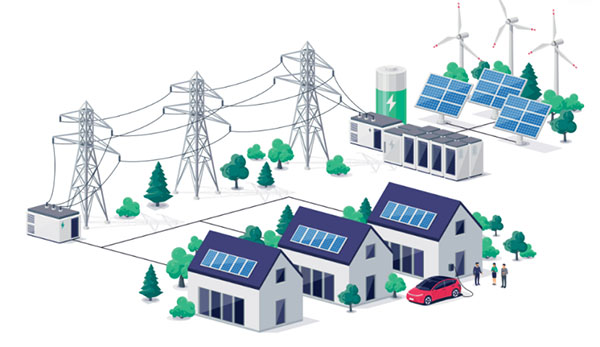
To promote the effective use of clean energy across diverse scenarios, digital energy management platforms such as Huawei AntoEco have introduced high‑efficiency solutions. Huawei AntoEco integrates generation, the grid, load, and storage, and combines AI, big data, IoT and 5G with precise "bit-level" power management to deliver customized clean energy solutions in five key domains: homes, campuses, information and communication technology (ICT), cities and rural areas. By leveraging Huawei AntoEco, stakeholders can build low-carbon homes, low-carbon campuses, low-carbon ICT infrastructures, low-carbon counties, and low-carbon cities, thereby supporting sustainable economic and social development.
Conclusion
What is clean energy? As the core driving force for human sustainable development, clean energy—characterized by low pollution and renewability—is reshaping the global energy landscape. From solar energy and wind energy to hydropower and geothermal energy, these sources all provide green power for the world. Clean energy not only effectively protects the ecological environment and ensures energy security but also promotes the transition to a low-carbon economy.
FAQs
What is the meaning of clean energy?
Clean energy is a type of energy that has minimal impact on the environment and produces almost no pollutants or greenhouse gases during the production, conversion, and use processes. It is sustainable and is an important guarantee for dealing with climate change and achieving sustainable development.
What are examples of clean energy?
● Solar Energy: Photovoltaic power generation and solar thermal utilization are used for household electricity, hot water supply, heating, etc.
● Wind Energy: Build wind power stations in coastal areas, plateaus and grasslands.
● Hydropower: Generate electricity by using the water level drop and construct hydropower stations.
● Geothermal Energy: Build geothermal power stations, which can also be directly used for hot spring bathing, geothermal heating, etc.
● Biomass Energy: Utilize crop straws and other materials to produce biogas and biofuels, which are applied in the fields of heating, power generation, transportation fuels, etc.
Clean Energy vs Renewable Energy: Why Does It Matters?
● Renewable Energy: Energy can be naturally replenished—such as solar, wind, and hydropower. It is abundant but often constrained by geographic and weather conditions.
● Clean Energy: Energy sources that produce minimal or no pollution during generation and use. This category includes renewable sources as well as low-pollution non-renewable sources, such as natural gas with carbon capture.
What is clean energy technology?
Clean energy technology is an energy technology that utilizes natural resources and produces little or no pollution and greenhouse gases. It covers solar photovoltaic power generation, wind power generation, hydropower generation, biomass energy conversion, etc.
Disclaimer: Any views and/or opinions expressed in this post by individual authors or contributors are their personal views and/or opinions and do not necessarily reflect the views and/or opinions of Huawei Technologies.