Level 3 EV charging is emerging as the king of EV charging levels.But what is a Level 3 charger, how fast does a level 3 charger charge, and what does it mean for electric vehicles may still be unclear.This guide answers these questions by explaining Level 3 chargers, uncovering EV fast-charging secrets, and introducing a cutting-edge charging solution: the next generation of EV charging technology.
What Is a Level 3 EV Charger?
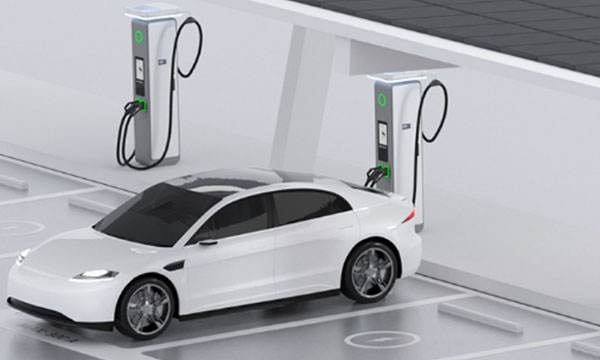
Level 3 chargers, also known as DC fast chargers, offer the fastest charging speeds among existing charging solutions. They are typically found at highway rest stops, EV charging stations, and other high-traffic commercial areas where quick turnaround is essential.
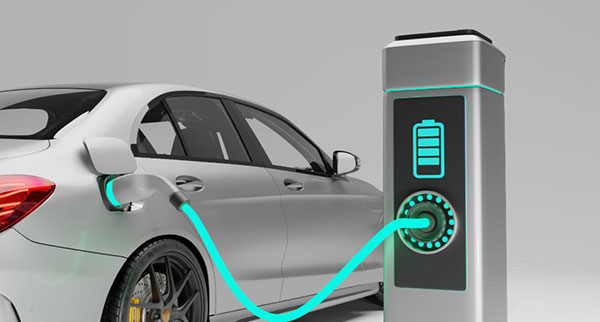
Unlike Level 1 chargers (basic home AC charging) and Level 2 chargers (faster AC charging), which use alternating current (AC), Level 3 chargers convert AC from the power grid directly into direct current (DC) before delivering it to the vehicle’s battery. This direct conversion allows for much higher power output and significantly reduces charging time.
How Fast Does a Level 3 Charger Charge?
● Power Output
Level 3 chargers typically deliver 50 to 350 kilowatts of power, with some advanced models offering even more. In most cases, they can charge an EV battery from low to around 80% in 30 to 60 minutes.
● Range Gain
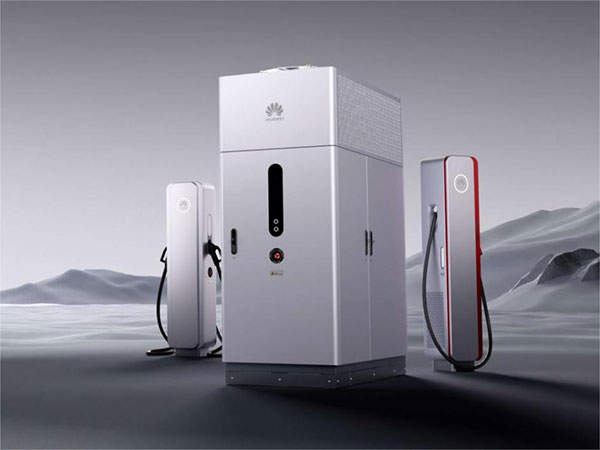
Level 3 chargers can drastically extend an electric vehicle’s driving range in a short time. For example, Huawei FusionCharge Liquid-Cooled Ultra-Fast Charging supports a 500A charging current with a charging efficiency of 95.5%*. Just 5 minutes of charging can add over 200 kilometers of range*, significantly reducing wait times for drivers. Additionally this liquid-cooled charging system is built to last over 10 years, with an annual module failure rate of less than 0.5%*, ensuring long-term durability and reliability.
What Does a Level 3 Charger Mean for EV?
● Rapid Energy Replenishment
As a form of integrated DC charging, Level 3 chargers can quickly replenish large amounts of energy, significantly reducing wait times and allowing vehicles to return to use faster. This high-power transfer reduces charging time from hours to minutes, making it ideal for on-the-go charging. Especially on long trips, rapid replenishment eases “range anxiety,” allowing drivers to resume their journey quickly.
● Enhanced User Convenience:
With power outputs far exceeding residential chargers, Level 3 stations enable drivers to charge during short breaks—often restoring 100 km of range in under 10 minutes. Their placement at highway rest stops, commercial centers, and urban hubs makes charging nearly as convenient as refueling a petrol car. As public charging networks expand, users can complete top-ups in fragmented time slots without lengthy waits. This flexibility transforms EV travel, allowing seamless integration of charging into daily routines.
● Expanded Travel Possibilities:
Thanks to the ability to charge quickly, vehicle owners are less concerned about long charging times during trips disrupting their journeys, allowing them to embark on long-distance journeys more easily. This helps to expand the travel range of electric vehicles and promotes their application in a wider range of fields.
Is there a Faster Charging Method than a Level 3 Charger?
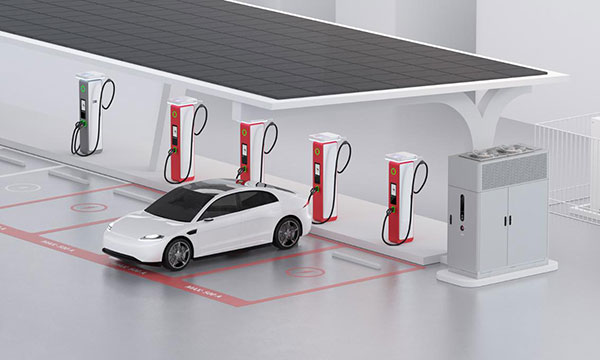
New Level charging, also known as split-type group DC charging, is an advanced technology designed for public charging stations and locations that require multiple high-speed chargers.
The core of this system is a modular power unit that decouples AC/DC and DC/DC components. This enables more efficient use of available power capacity and allows integration with DC energy storage systems, resulting in stronger, more flexible, and higher-quality charging performance.
With power outputs ranging from 240 kW to 720 kW or more, split-type group DC chargers can typically charge a vehicle battery from nearly empty to 80% in just 10 to 30 minutes—outpacing traditional Level 3 chargers.
Conclusion
In summary, understanding what is a level 3 charger is crucial for grasping the future of electric mobility. As the core of ultra-fast charging technology, Level 3 chargers enable rapid energy replenishment for EVs, significantly reducing charging time, enhancing convenience, and expanding travel ranges. Take Huawei FusionCharge Liquid-Cooled Ultra-Fast Charging as an example: with a massive 500A current and 95.5% high efficiency*, it can add over 200 km of range to an EV in just 5 minutes*, fully demonstrating the technological advantages of Level 3 chargers.
At the same time, the innovative charging technology of New Level, with its unique architecture and powerful performance, represents a new breakthrough in charging technology. With the continuous innovation and development of technology, it is believed that electric vehicle charging will become more efficient and convenient in the future.
FAQs
Is Level 3 charging suitable for any EV?
Level 3 charging is not compatible with all electric vehicles. Some older or lower-end EV models may not support Level 3 charging at all. Even if an EV supports fast charging, technical limitations may prevent compatibility with the power levels or communication protocols of certain Level 3 chargers.
Can I install a Level 3 charger at home?
Level 3 chargers are not suitable for residential installation. They require high power output, dedicated electrical lines, and large-capacity meters. In most cases, upgrading the home electrical infrastructure is necessary, which leads to high costs and potential safety concerns.
What are the advantages of a Level 3 charger?
The key advantages of Level 3 chargers are high power output and ultra-fast charging speed. They can deliver a large amount of energy in a short time, making them ideal for long-distance travel, commercial charging stations, and scenarios where time efficiency is critical.
*The data is based on theoretical values obtained by Huawei internal labs through tests carried out under specific conditions. Actual performance may vary due to differences between software versions, usage conditions, and environmental factors. All data is subject to actual usage.Disclaimer: Any views and/or opinions expressed in this post by individual authors or contributors are their personal views and/or opinions and do not necessarily reflect the views and/or opinions of Huawei Technologies.