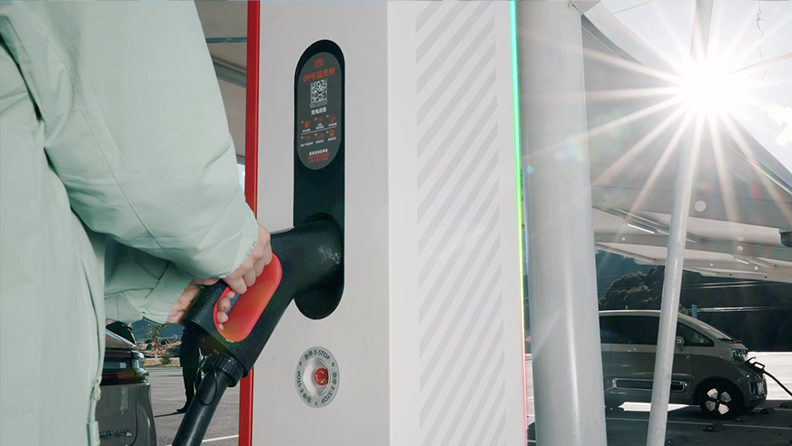
As the electric vehicle (EV) market continues to grow and charging infrastructure rapidly expands, DC fast charging has become the go-to solution for many EV drivers. However, one common concern remains: what is a drawback of constant DC fast charging? Could frequent use negatively impact your EV’s battery health over time? In this article, we’ll explore what is DC fast charging, how it works, and what to watch out for.
What Is Dc Fast Charging?
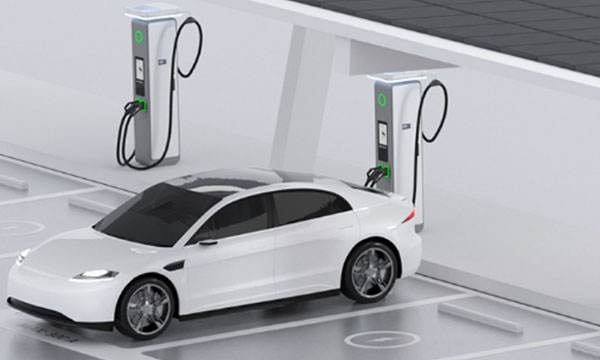
DC fast charging is an advanced charging method designed to significantly reduce the time it takes to recharge an EV battery. Unlike conventional AC charging—which requires the vehicle’s onboard charger to convert alternating current into direct current—DC fast chargers deliver high-voltage DC electricity directly to the battery. This bypasses the internal converter and drastically speeds up the charging process, offering a quick, efficient solution for drivers who need to recharge on the go.
How Does DC Fast Charging Work?
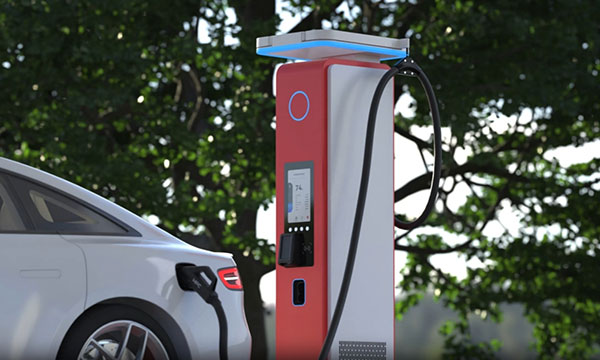
DC fast charging begins at a charging station connected to a high-voltage power grid. Inside the station, a powerful converter turns the incoming AC into high-voltage DC electricity, which is then delivered through specialized cables to the EV’s charging port.
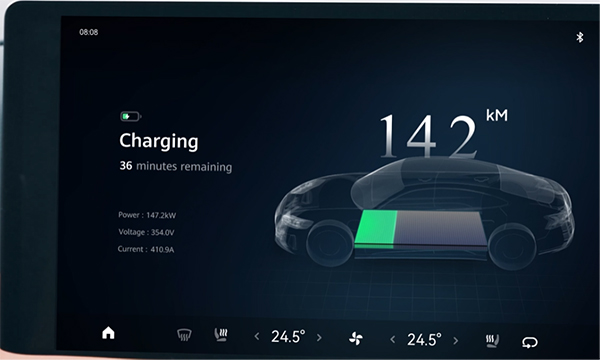
Once connected, the car’s Battery Management System (BMS) communicates with the charger to ensure safe and efficient power delivery. The BMS monitors factors like battery charge level and temperature, dynamically adjusting the current and voltage to prevent overcharging, overheating, or other risks.
How Long Does It Take to Charge a Car with a DC Fast Charger?
The DC fast charging time for electric vehicles can vary widely depending on several key factors, with battery capacity being one of the most important.
For instance, an EV with a 40 kWh battery using a 50 kW DC fast charger typically takes around 30 to 40 minutes to go from 20% to 80% charge. In comparison, a vehicle with a larger 80 kWh battery may take 45 minutes to an hour or more to reach the same charge level using the same 50 kW charger.
Another major factor is the charging power of the DC fast charger itself. High-powered chargers—like those rated at 350 kW—can recharge certain premium EVs with advanced battery systems from 20% to 80% in just 15 to 20 minutes.
Take Huawei FusionCharge Liquid-Cooled Ultra-Fast Charging as an example. With up to 500 amps of current, it can deliver an ultra-fast charge, adding over 200 kilometers of range in just 5 minutes*.
Can DC Fast Charging Affect the Life of the Battery?
The impact of DC fast charging on battery life should be viewed objectively. Modern electric vehicles are equipped with highly advanced smart battery management systems. During the DC fast charging process, these systems are capable of real-time monitoring and precise regulation of current and voltage. They actively prevent potential risks such as overcharging, overheating, and over-discharging, which significantly reduces the possible damage that DC fast charging might cause to the battery.
At the same time, battery lifespan is influenced by multiple factors working together. In addition to the charging method itself, factors such as ambient temperature, daily charging and discharging depth, and the technical quality of the battery also play critical roles in determining how long a battery will last.
Therefore, as long as DC fast charging is used properly and in moderation—for example, avoiding frequent or continuous use, and refraining from fast charging when the battery is either too hot or too cold—its impact on battery life remains within a controllable range and will not cause substantial harm to battery health.
How to Protect the Lifespan of Electric Vehicle Batteries?
Charge Reasonably
The key to protecting the battery life of electric vehicles lies in maintaining a reasonable charging schedule. It is advisable to avoid completely depleting the battery and not to frequently charge it to 100%. Ideally, the battery level should be kept between 20% and 80% during daily use. Additionally, charging the vehicle during off-peak nighttime hours can help avoid the effects of unstable voltage.
Use It Correctly
Proper driving habits also contribute significantly to extending battery life. During operation, it’s best to avoid sudden acceleration and abrupt braking, as these aggressive behaviors can lead to rapid battery discharge and place additional strain on the system.
Furthermore, under extreme weather conditions, it is important to pre-condition the battery. For example, in cold climates, using the preheating function to warm the battery before charging can optimize the charging process, reduce stress on the battery cells, and improve the overall performance and longevity of the battery.
Conduct Regular Maintenance
Vehicle owners should regularly bring their vehicles to certified maintenance centers, following the manufacturer’s recommendations. During servicing, technicians will carry out a comprehensive health check of the battery, monitor key performance indicators, and ensure the battery management system (BMS) is functioning properly.
At the same time, technicians may also update the vehicle’s software as needed, which could include improvements to the battery management algorithms. This helps to further enhance battery performance and extend its overall service life.
Conclusion
Once you understand what is DC fast charging and how it works, concerns about what is a drawback of constant DC fast charging should fade. Modern EVs' smart battery management systems monitor and regulate current and voltage in real-time during fast charging, minimizing the risks of overcharging and overheating. With proper usage and regular maintenance, you can enjoy the benefits of fast charging while extending your battery’s lifespan.
FAQ
What is the difference between DC fast chargers and AC chargers?
The core difference between DC fast chargers and AC chargers lies in the type of power supply and the charging process.
● AC chargers output alternating current (AC), which must be converted by the vehicle’s on-board charger into direct current (DC) for battery storage, resulting in slower charging speeds.
● Once you understand what is a DC fast charger, you’ll know it outputs high-voltage direct current directly to the battery, skipping the conversion step and enabling much faster charging.
Can all EVS use DC fast chargers?
Not all electric vehicles support DC fast charging.
Older or more budget-friendly models may lack this feature due to design and cost constraints. Also, fast charging power levels vary between EV models. Always refer to your vehicle’s manual to confirm DC fast charging compatibility and the supported power range before use.
Where can I find DC fast charging stations?
There are several ways to locate DC fast charging stations. For example, many EV manufacturers offer dedicated mobile apps that display nearby fast-charging stations. Third-party charging network apps can also help you find compatible stations based on your location.
Is DC fast charging the best choice for electric vehicle charging?
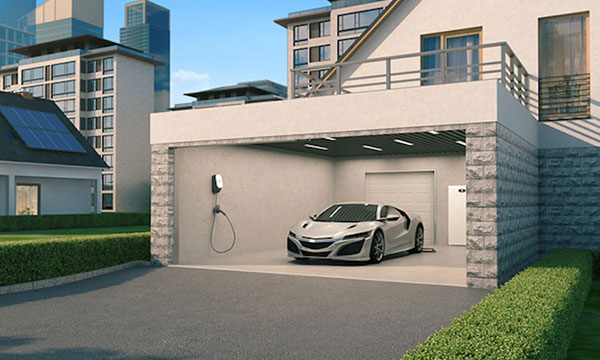
Whether DC fast charging is the best option depends on your driving habits and needs. It’s ideal for long-distance travel where quick charging is essential. However, for daily short-distance commuting where you have access to AC charging, slower AC charging is usually sufficient and more battery-friendly.
* The data is based on theoretical values obtained by Huawei internal labs through tests carried out under specific conditions. Actual performance may vary due to differences between software versions, usage conditions, and environmental factors. All data is subject to actual usage.
Disclaimer: Any views and/or opinions expressed in this post by individual authors or contributors are their personal views and/or opinions and do not necessarily reflect the views and/or opinions of Huawei Technologies.