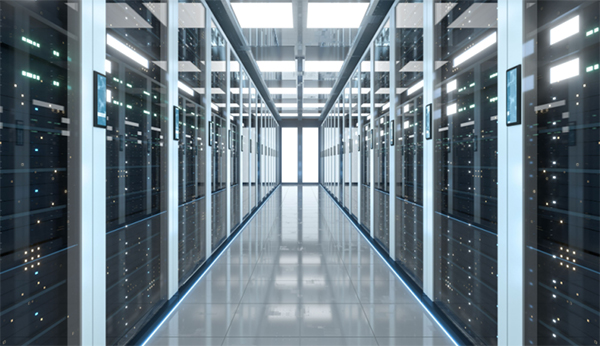
In the current era swept by the digital wave, data centers—as the “digital heart” of enterprise operations—bear the heavy responsibility of storing and processing massive amounts of data. However, this “heart” is highly dependent on electricity, and an unexpected power outage can trigger catastrophic chain reactions. Therefore, building a multi-layered and intelligent power protection system and learning how to use a generator during a power outage have become crucial for the stable operation of data centers.
What Impacts Will a Power Outage Have on Data Centers and Enterprise Operations?
● Hardware Damage: Sudden power outages can subject operating servers, storage devices, and other critical equipment to instantaneous shocks, increasing the risk of equipment failure. Such hardware failures may lead to data loss or corruption and, in severe cases, even complete system paralysis.
● System Downtime and Business Interruption: Power outages in server rooms often result in full system shutdowns, affecting both enterprise applications and public services. In real‑time transaction scenarios such as finance and e‑commerce, this can trigger failed transactions and lost orders, potentially causing losses of thousands or even millions of dollars per hour.
● Sharp Increase in Data Loss Risks: Data centers run numerous applications and services. Power outages can disrupt services, putting processing data at risk of loss—especially for real‑time processing or continuously running applications, with more severe consequences. Additionally, abnormal power outages may cause control data storage anomalies, configuration data loss, operational data asynchrony, and even control logic errors, seriously impacting data center operational safety.
● Elevated Safety Hazards: Server rooms typically contain large amounts of precision equipment and flammable materials. Power outages can disable environmental monitoring and safety systems, increasing hazards such as fires. Furthermore, after the cooling system loses power, the server room temperature may rise rapidly. When power is restored, simultaneous power‑up of multiple device groups may cause instantaneous surges to the power supply and distribution system.
What Should Data Centers and Enterprises Do in the Face of Power Outages?
● First Line of Defense: UPS
UPS systems immediately switch to battery mode during a power outage, providing short‑term power supply for equipment and buying precious response time. Their advantages lie in fast response and stable power output. UPS systems not only prevent equipment damage caused by sudden power outages but also ensure the integrity of data transmission and storage to prevent data loss.
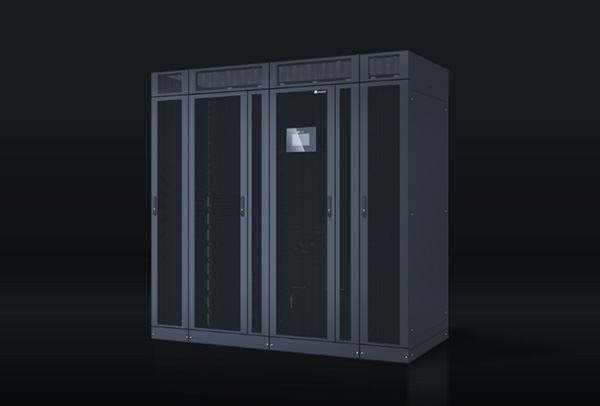
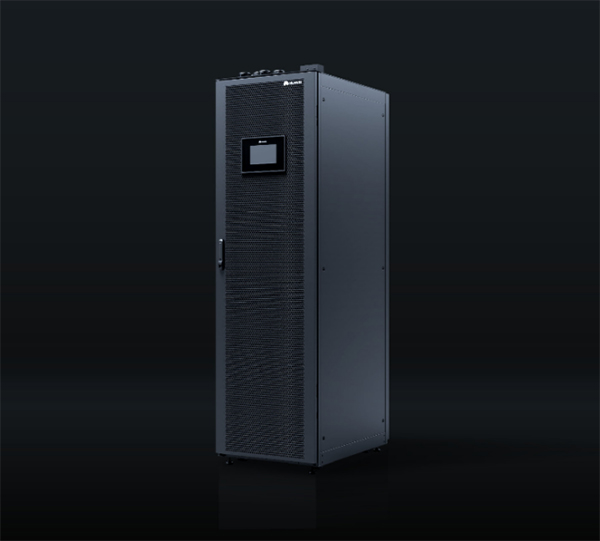
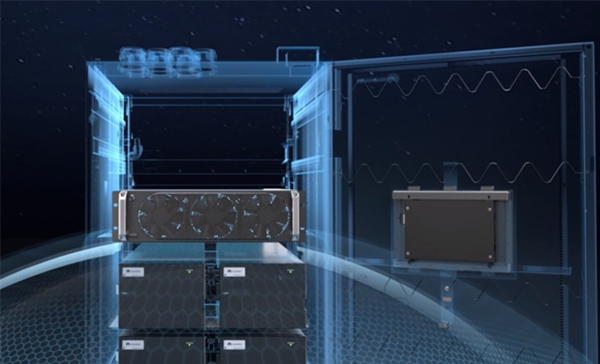
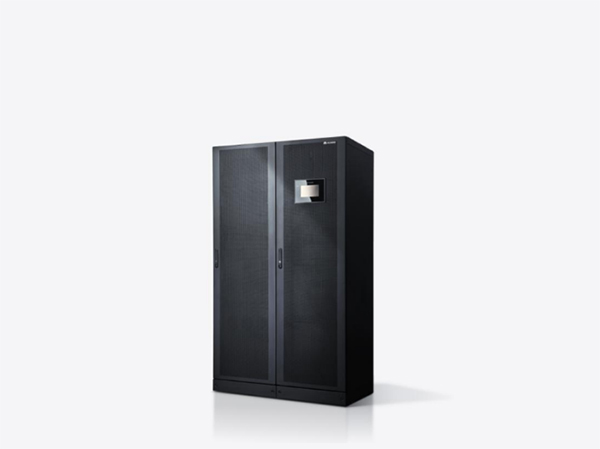
According to different application scenarios and needs, various UPS types are available. For example, Huawei UPS5000‑H is ideal for medium and large data centers. This energy‑efficient, compact unit features predictive maintenance and iPower full‑link detecting—transforming passive alarms into AI‑based predictive maintenance—as well as source‑share mode supporting intelligent peak shaving by leveraging TOU (Time‑of‑Use) pricing.
● Ultimate Defense: Backup Generator
Although UPS systems guarantee power for a short time, their battery capacity is limited and cannot meet long‑term outage needs. At this point, backup generators become the ultimate reliance for enterprise power protection. Backup generators include diesel, gasoline, and natural gas units. Diesel generators are most widely used in data centers and enterprises due to their high power, rapid startup, and strong endurance.
When the UPS battery is about to deplete, the backup generator must start quickly and connect to the power system to replace the battery and continue powering equipment. High‑quality diesel generators can typically start and reach rated power within 10 seconds to ensure seamless power supply. After starting the diesel generator, the UPS will switch back from battery mode to normal mode, continue to supply power to the equipment, and charge the battery at the same time.
How to Safely Use a Generator During a Power Outage
● Before Starting
Check the fuel system: Ensure the fuel tank is at least 80 % full, fuel lines are unobstructed and leak‑free, and filters are clean.
Inspect the lubrication system: Verify that engine oil level is within the normal range and that oil quality shows no emulsification or deterioration—oil is the “blood” of the generator, and healthy oil ensures proper operation.
Examine the cooling system: Confirm coolant level is adequate, pipes show no leaks, and the fan operates correctly.
Inspect the electrical system: Check that generator winding insulation resistance meets standards and that cable connections are secure.
Verify the starting system: Confirm the battery is fully charged and starter‑motor components are fault‑free.
Ensure ventilation: The generator room must have unobstructed air inlets and outlets to prevent overheating.
Store backup fuel safely: Use fireproof containers, keep fuel at least 1.5 m away from the generator, and prohibit open flames.
Check grounding: Ensure the generator’s grounding system is reliable, with resistance not exceeding 4 Ω to avoid electric‑leakage risks.
Plan the load: Identify critical equipment (e.g., servers, network devices) for generator power. Calculate total load so it does not exceed 80 % of the generator’s rated power, leaving a 20 % margin for startup surges.
● During Startup
Manual start procedure: Confirm utility power is completely disconnected to avoid parallel operation. In cold environments, preheat the engine for 3–5 minutes. When pressing the start button, limit each attempt to 10 seconds; if unsuccessful, wait 2 minutes before retrying, and do not exceed three attempts to avoid starter damage.
Warm‑up period: After starting, idle for 3–5 minutes. Once oil pressure and coolant temperature stabilize, increase speed to rated RPM. When output voltage and frequency are stable, gradually close the output breaker to apply load.
Automatic Transfer Switch (ATS): If equipped, the ATS will auto‑detect outages and start the generator, switching power once stable. Test ATS monthly to ensure reliable operation.
● During Operation
Monitor electrical parameters: Check output voltage, current, and frequency, ensuring deviations stay within ±5 % voltage and ±2 % frequency.
Check mechanical parameters: Regularly verify oil pressure, coolant temperature, and RPM. Shut down immediately if abnormalities arise.
Perform safety inspections: Listen for unusual engine noises or vibrations; sniff for burnt odors indicating leaks or electrical faults.
Control environment: Keep room temperature below 35 °C and humidity under 60 %. Clean the generator and surrounding area of debris.
Manage fuel: Estimate consumption based on runtime, refill in advance, and maintain at least 4 hours of backup fuel reserve.
● During Shutdown
Normal shutdown: Turn off non‑critical loads, open the output breaker, and let the generator idle for 3–5 minutes to cool down. Press the shutdown button, and once the unit stops, close the fuel valve; for long‑term shutdowns, drain the fuel system.
Reverting to utility power: After confirming stable utility voltage, switch back, then disconnect the generator from the load.
Emergency shutdown: In cases of severe vibration, sudden oil‑pressure loss, high coolant‑temperature alarms, or serious electrical faults, press the emergency‑shutdown button immediately.
● Daily Maintenance
Weekly: Check battery voltage and electrolyte levels.
Monthly: Test start‑up performance under load for 30 minutes; inspect all sensors and alarms.
Quarterly: Clean air and fuel filters; change engine oil.
Annually: Perform a comprehensive overhaul—adjust valve clearances and test electrical insulation.
Semi‑annually: Conduct a power‑outage emergency drill to verify startup, load transfer, and team coordination.
It should be noted that UPS systems and diesel generators are separate systems with different principles and cannot exchange power bidirectionally. However, when a UPS is paired with lithium batteries, it leverages high energy density and long lifespan to instantly supply backend loads via an inverter during outages. For example, pairing Huawei UPS with Huawei SmartLi creates a green, simple, smart, and reliable power supply and distribution system for data centers.
Conclusion
In the power protection system of data centers, UPS systems and backup generators each perform their respective functions and complement each other, building a solid defense against power‑outage risks. While understanding how to use a generator during a power outage is essential, it is equally important to introduce advanced, scenario‑adapted power supply and distribution solutions, allowing innovative technologies to empower power protection. Only in this way can the “digital heart” of data centers continue to beat steadily amidst the digital wave.
FAQs
What are the types of generators?
Data centers typically use diesel generators as the mainstream backup power source, with large data centers configuring multiple paralleled systems. Gas generators or fuel cells can be considered for scenarios with high environmental requirements, and gasoline generators can be used as a supplement in small-scale scenarios.
What are the benefits of UPS system in a data center?
Take Huawei UPS5000-H as an example. It is not only the "power safe" of data centers but also enables data centers to achieve seamless power backup for business continuity, power purification for equipment protection, redundant design for risk resistance, and intelligent management for efficiency improvement.
What is an intelligent power management system?
The intelligent power management system is an integrated system that uses technologies such as the Internet of Things (IoT), big data, and artificial intelligence (AI) to intelligently monitor, dispatch, optimize, and protect power resources. It is widely applied in scenarios such as data centers, industrial plants, and commercial buildings. Its core objectives are to improve power efficiency, ensure power supply reliability, reduce energy consumption costs, and achieve green and low-carbon operations.
Disclaimer: Any views and/or opinions expressed in this post by individual authors or contributors are their personal views and/or opinions and do not necessarily reflect the views and/or opinions of Huawei Technologies.