As an efficient and portable energy storage product, the lithium-ion battery serves as an indispensable energy carrier in modern life. From smartphones in your hand and lightweight laptops to roaring electric vehicles and massive energy storage power stations, it supplies electricity to every facet of our daily lives.
Therefore, it is essential to clarify how long will a lithium ion battery last. The following sections of this article will elaborate in detail on the lifespan of lithium-ion batteries, the causes of aging, maintenance methods, and other related aspects.
How Long Will a Lithium-Ion Battery Last?
The service life of a lithium-ion battery is typically measured by the number of charge-discharge cycles.
Generally, lithium-ion batteries used in ordinary consumer electronics have a cycle life of about 300 to 500 times. After reaching this number of cycles, the battery capacity will drop to about 80% of its initial capacity. For example, if the lithium-ion battery of a smartphone undergoes a full charge-discharge cycle every day, its performance will significantly decline after approximately 1 to 1.5 years.
In contrast, lithium-ion batteries for electric vehicles, due to advancements in technology and craftsmanship, can achieve 1,000 to 2,000 charge-discharge cycles, with a correspondingly longer service life of 5 to 8 years or even more. Lithium-ion batteries for data centers have an even longer cycle life of approximately 5,000 cycles and a service life of up to 10 years, meaning there’s no need to replace batteries during the UPS’s full lifecycle. However, these are only theoretical estimates, and the actual service life is affected by various factors.
What Causes the Aging of Lithium-Ion Batteries?
The aging of lithium-ion batteries is a complex process primarily caused by a combination of internal chemical changes and external usage factors. From an internal chemical perspective, during charging and discharging, the electrode materials undergo structural changes and chemical reactions. Over time, the active materials gradually decrease, and the internal impedance of the battery increases, leading to a decline in capacity.
External usage factors are equally significant, with the IP protection rating being closely linked to battery aging. The IP protection rating is an international code for determining protection levels. The IP protection rating is a universal standard for measuring a device's dust and moisture resistance.
Typically, an IP rating consists of the letters "IP" followed by two digits, where each digit represents a different dimension of protection.
The first digit (X) represents the dust resistance level, ranging from 0 to 6. The larger the digit, the stronger the protection capability.
|
Grade
|
Description of Protection Capability
|
|
0
|
No protection; no special defense against solid foreign objects.
|
|
1
|
Prevents solid foreign objects with a diameter ≥ 50mm (e.g., accidental palm contact).
|
|
2
|
Prevents solid foreign objects with a diameter ≥ 12.5mm (e.g., finger insertion).
|
|
3
|
Prevents solid foreign objects with a diameter ≥ 2.5mm (e.g., tools, wires, etc.).
|
|
4
|
Prevents solid foreign objects with a diameter ≥ 1.0mm (e.g., thin wires, insects).
|
|
5
|
Dust-tight: Allows minimal dust ingress without affecting normal equipment operation.
|
|
6
|
Totally dust-proof: No dust can enter the interior of the equipment.
|
The second digit (X) represents the water resistance level, ranging from 0 to 9. The larger the digit, the stronger the water protection capability.
|
Grade
|
Description of Protection Capability
|
|
0
|
No protection; no special defense against liquids.
|
|
1
|
Vertical dripping water (e.g., condensation) has no effect.
|
|
2
|
When the equipment is tilted at 15°, vertical dripping water has no effect.
|
|
3
|
Water spray protection: No effect from water spraying within 60°in any direction (e.g., rain).
|
|
4
|
Splash protection: No effect from water splashing in any direction (e.g., splashing water, rain splashes).
|
|
5
|
Water jet protection: No effect from low-pressure water spraying in any direction (e.g., hose washing).
|
|
6
|
Protection against powerful water jets: No effect from high-pressure water spraying in any direction (e.g., stormy weather, ocean waves).
|
|
7
|
Short-term immersion protection: No water ingress when submerged in 1 meter of water for 30 minutes.
|
|
8
|
Continuous immersion protection: No effect from long-term immersion under specified pressure and depth (e.g., diving equipment).
|
|
9
|
Protection against high-temperature and high-pressure water jets: No effect from close-range high-pressure and high-temperature water flow impacts (e.g., industrial environment cleaning).
|
For example, IP67 means: the first digit "6" indicates the highest dust-proof level, completely preventing the intrusion of foreign objects and dust; the second digit "7" means that temporary immersion in water at a depth of 1 meter under normal temperature and pressure will not cause harmful effects.
If lithium-ion battery devices have a low IP protection rating and are used in humid, dusty, or other harsh environments, moisture and dust may penetrate the battery interior, accelerating its aging and damage.
How to Increase Lithium-Ion Battery Life?
The lifespan of lithium-ion batteries is influenced by multiple factors such as usage habits, environmental conditions, and product quality. Through scientific management of charging and discharging, optimizing the usage environment, regular maintenance, and selecting high-quality brands, battery durability can be significantly enhanced.
● Charge and Discharge Properly
Avoiding overcharging and over-discharging is crucial. Modern lithium-ion batteries do not require "full charge-discharge" activation like traditional nickel-metal hydride batteries. Instead, it is essential to maintain the battery level between 20% and 80%. Charge the battery promptly when the level drops below 20% to prevent irreversible damage to the electrode materials caused by over-discharging. Stop charging at 80%–90% to avoid prolonged full-charge states.
Meanwhile, reduce the use of fast-charging functions. Although fast charging saves time, excessively high charging currents accelerate internal chemical reactions in the battery, thereby speeding up battery aging.
● Optimize the Operating Environment
Lithium-ion batteries are highly sensitive to temperature, with both high and low temperatures affecting their performance and lifespan.
The optimal storage temperature for lithium-ion batteries in data centers is 15°C - 25°C, and the extreme temperature range is 0-60°C. In hot summer, never expose devices with lithium-ion batteries to direct sunlight for extended periods.
In cold winter, avoid prolonged use of devices in low-temperature environments as much as possible. If operation in cold conditions is necessary, take appropriate thermal insulation measures for the devices, such as using thermal protection sleeves.
● Regular Inspection and Maintenance
Regularly check the battery status by using the built-in battery health detection function of the device or professional battery testing tools to understand information such as battery capacity and health. If any abnormalities are found, such as a significant slowdown in charging speed or excessive power consumption, take timely measures.
Additionally, keep the battery contacts clean to avoid poor contact caused by dust, dirt, etc., which may reduce charge-discharge efficiency. Also, pay attention to checking whether the battery fixing components (such as screws and buckles) are loose to prevent electrode breakage or internal short circuits in a vibrating environment.
● Which Lithium-Ion Battery Brand Is Considered Good?
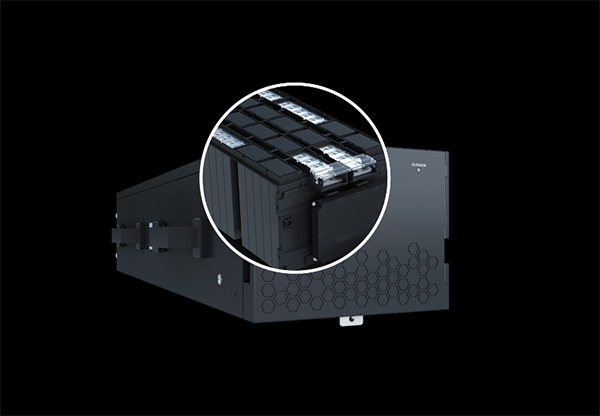
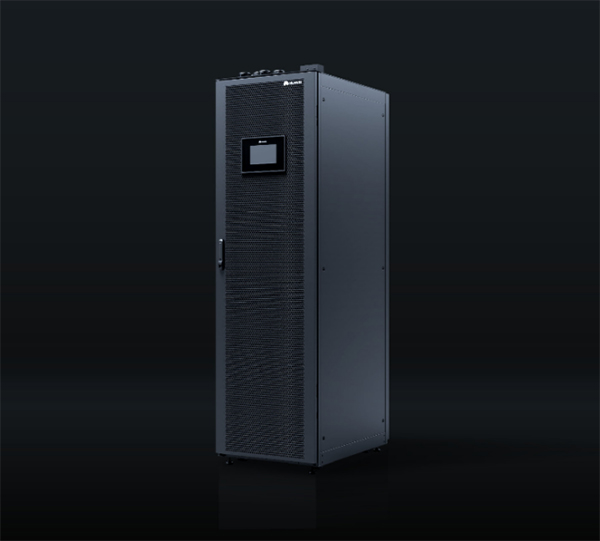
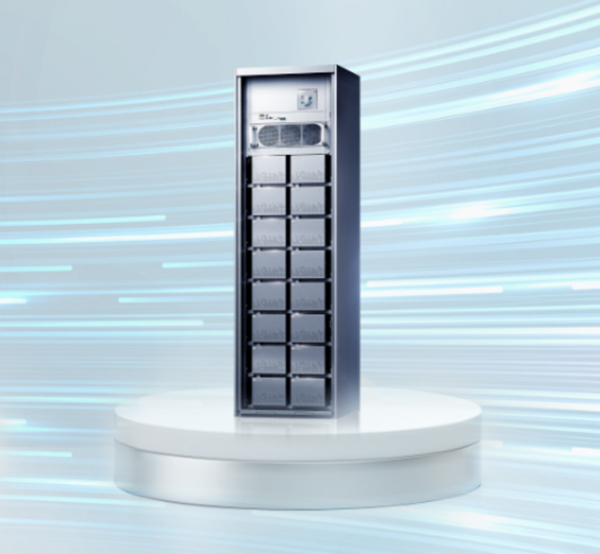
Among many lithium-ion battery brands, Huawei has gained high recognition in the market with its advanced technology and strict quality control. Its SmartLi Lithium-ion Battery is suitable for medium- and large-scale data centers as well as mission-critical power supplies, offering multiple advantages, such as reliable insulation structure, pack-level fire extinguishing, intelligent fault prediction, and multi-level BMS protection, bringing a better user experience.
Conclusion
How long will a lithium ion battery last? For example, lithium-ion batteries in data centers generally have a service life of up to 10 years, but their lifespan is affected by multiple factors Understanding the causes of aging and adopting proper usage and maintenance practices can effectively extend the battery’s lifespan. At the same time, choosing high-quality lithium-ion battery products, such as Huawei SmartLi Lithium-ion Battery, is also a crucial factor in ensuring long-term performance and reliability.
FAQs
Do lithium batteries go bad from sitting?
Long-term storage may cause damage. Storing at full charge can lead to continuous chemical reactions, resulting in capacity degradation, poor performance, or even swelling. It is recommended to keep the battery level at around 50% and perform regular charge-discharge cycles.
How long can a lithium-ion battery last after being fully charged?
In a normal-temperature, dry environment, it can be stored for approximately 1 to 3 months, during which the battery level will naturally decrease. Excessive storage time affects performance, so regular charging maintenance is required.
Is it bad to fully discharge a lithium-ion battery?
Yes, it is harmful. Extremely low battery levels or full discharge can cause irreversible changes in electrode materials, leading to permanent capacity degradation and a shortened lifespan. Full discharge should be avoided.
Disclaimer: Any views and/or opinions expressed in this post by individual authors or contributors are their personal views and/or opinions and do not necessarily reflect the views and/or opinions of Huawei Technologies.