Data centers host enterprises’ core businesses, massive data, and critical application systems, with their stability directly impacting business continuity and data security. To prevent power issues such as mains outages and voltage fluctuations from affecting operations, UPS systems have become core devices ensuring data center resilience. This article will deeply explore the importance of UPS in data centers, compare best backup UPS power supply options—online UPS and line‑interactive UPS—to analyze which is more suitable, and explain how to select an online UPS for data centers, assisting in building a safe and efficient power system.
Why Is UPS Important for Data Centers?
There are three main reasons why UPS systems are crucial for data centers:
1. Ensuring business continuity: Avoiding operational downtime caused by power outages, thereby reducing economic losses and reputational damage;
2. Protecting data security: Preventing data loss, corruption, and physical damage to storage devices due to power interruptions;
3. Preventing equipment damage: Advanced UPS designs offer power conditioning—filtering surges, sags, and spikes—to provide stable, clean electricity that extends equipment lifespan and reduces maintenance costs.
In today’s competitive market, selecting a high‑performance UPS ensures data centers remain resilient under all power quality conditions.
Which Type of UPS Is Suitable for Data Centers?
UPS systems are generally divided into three types: standby, line-interactive, and online.
Standby UPS
If you need a UPS for general home electrical devices such as computers, routers, and smart TVs—or for small office spaces with low power continuity requirements and small load demands—you can choose a standby ups.
Online UPS
When the mains power is interrupted, the battery supplies power directly through the inverter with no switching delay. This type is suitable for data centers that require high levels of power continuity, stability, and power quality, as well as for financial institutions, medical facilities, and industrial production lines.
Line-interactive UPS
When the mains power is interrupted, the battery supplies power through the inverter with a switching time of approximately 0 to 5 seconds, faster than standby but slower than online. It is suitable for standard office environments where some power quality is required, but not to the degree needed by data centers or financial institutions.
When Choosing the Best Online UPS for a Data Center, What Factors Need to Be Considered?
Power Density
A high-power-density UPS can deliver significant power in a compact space. By leveraging advanced topologies and integrated designs, some models achieve up to 1MW per cabinet, ensuring reliable power delivery when data center space is tight and freeing up floor area for additional IT racks.
Power Supply Efficiency
An efficient UPS maximizes the conversion of input power to output power, reducing energy loss. A UPS with full-load efficiency above 95% can significantly cut energy costs. It’s also important to examine performance at different load levels and prioritize systems with high efficiency in the 50%–80% load range typical of data centers.
Safety
To ensure a reliable power supply, select a UPS with redundancy and fault-tolerant features to maintain continuous operation under unexpected conditions. Additionally, it's best to choose UPS systems from reputable brands, which undergo rigorous testing to ensure performance and quality.
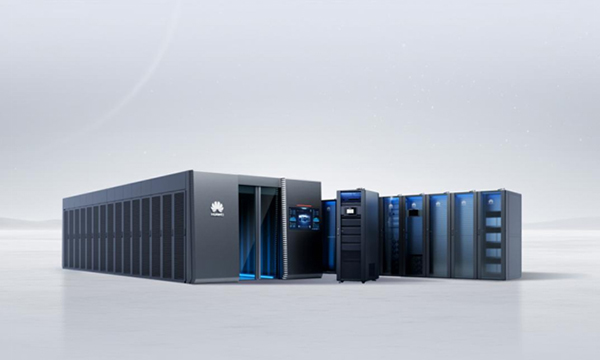
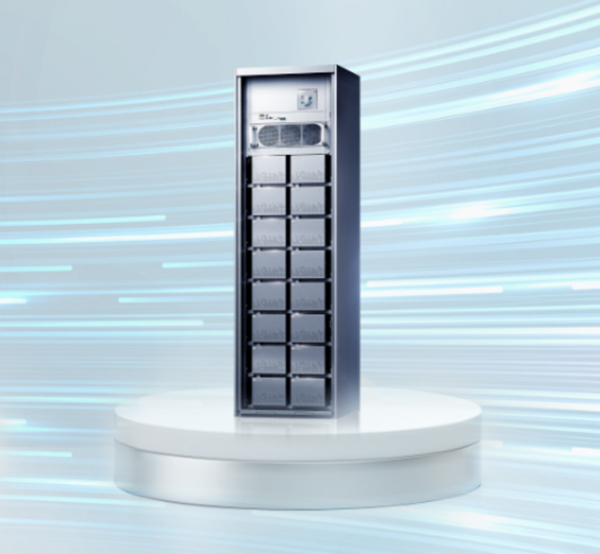
For example, Huawei builds a reliable, green, smart, and simple power supply system supported by AI. Notable models include:
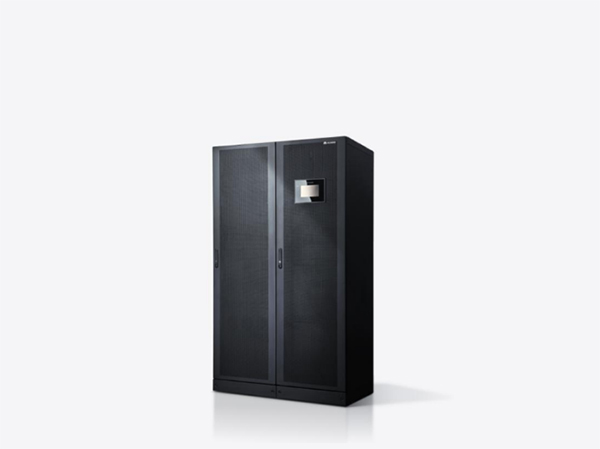
● UPS5000-H: Designed for medium and large data centers and critical applications. Its S-ECO mode achieves up to 99.1% efficiency, supports "one cabinet, one megawatt," and includes full redundancy in key components for high-efficiency, high-density, and highly reliable power supply.
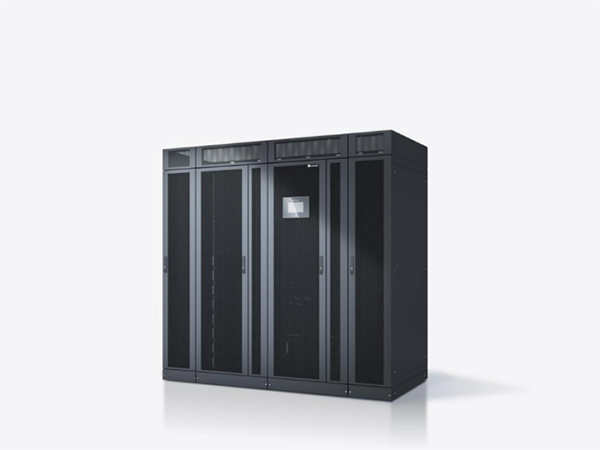
● UPS5000-E: Suitable for small to medium-sized enterprise data centers and main equipment rooms of large enterprises. It achieves up to 96% efficiency in online mode and can reduce floor space usage by up to 50%.
Conclusion
In summary, UPS systems are crucial for the normal operation of data centers. Among best backup UPS power supply options, the online UPS has emerged as the most suitable choice due to advantages such as zero transfer time and stable power supply. When selecting an online UPS, focus on power density, power‑supply efficiency, and product reliability. For example, Huawei UPS5000-H provides customized solutions for data centers of various scales through high‑density design, intelligent energy‑saving technologies, and full‑redundancy architecture, ensuring uninterrupted data center operations.
FAQS
How long will an UPS last?
The designed lifespan of a UPS is typically 10–15 years. Its service life is affected by factors such as battery type, ambient temperature, and the number of deep discharges. A UPS system using lithium-ion batteries and maintained properly can last over 15 years.
How long will the uninterruptible power supply keep my device running during a power outage?
The UPS paired with lithium batteries can provide 15 minutes of backup power. When the diesel generator starts to supply power, the UPS will switch from battery mode back to normal mode, continuously supplying power to the equipment and ensuring continuous operation.
How to calculate the power capacity of the required UPS?
Add up the rated power values listed on the nameplates of all devices to be connected to the UPS. To ensure stable operation, it is recommended to reserve a power margin of 20%–30% beyond the total calculated load.
Disclaimer: Any views and/or opinions expressed in this post by individual authors or contributors are their personal views and/or opinions and do not necessarily reflect the views and/or opinions of Huawei Technologies.