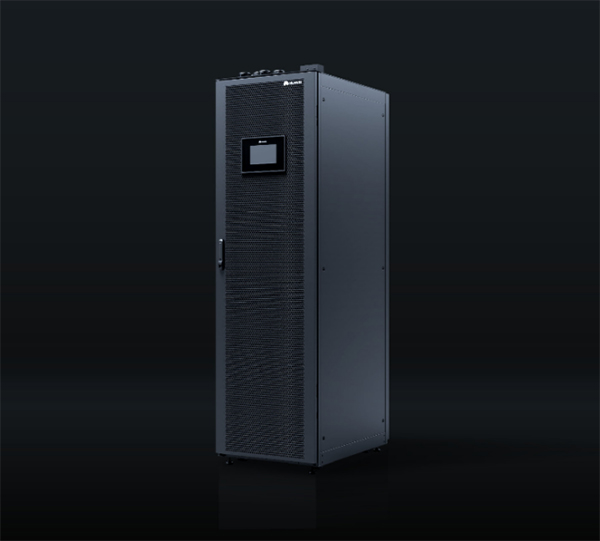
Whether the power supply is efficient, stable and continuous not only directly affects the daily lives of residents but also affects the smooth operation of industrial production and the broader economy. However, due to issues such as insufficient power supply and equipment failures, how to ensure the continuous and stable operation of electrical equipment in special circumstances has become a common challenge. In response to this, the development and application of UPS batteries may provide a solution. So, what is a UPS battery? How to check ups battery health to ensure that it can perform its function and play its role?
What is the Life of a UPS Battery?
Before discussing how to check ups battery health, let's first understand what a UPS is.
● UPS ( Uninterruptible Power Supply) , is a device capable of providing continuous power supply, mainly used to maintain the operation of critical equipment when problems occur in the power grid.
It is widely used in scenarios with extremely high requirements for power supply reliability and quality, such as data centers. In such scenarios, lithium-ion batteries are mainly selected for their longer cycle life. In particular, UPS systems using high-consistency lithium iron phosphate (LFP) cells, such as Huawei SmartLi Lithium-ion Battery, typically require no battery replacement for 10 years under high-quality power grid conditions.
How to Check UPS Battery Health?
Regular and systematic "check-ups" of your UPS battery are crucial for assessing its health, extending its lifespan, and detecting potential issues early, ensuring timely maintenance or replacement. So, how to check ups battery health? Here are some key methods:
1. Using UPS Self-Testing Feature
The self-check function of the UPS system is an important maintenance measure. It can simulate the situation of power outages to verify the health status of the battery and its performance under various conditions. During the self-check, if there is a problem with the UPS battery, the UPS will issue an alarm or prompt to enable maintenance personnel to eliminate potential hazards in a timely manner.
2. Check Indicators or Displays
The indicator lights and display interface on a UPS battery provide key insights into its operational status. Key lights include the power, battery, fault alarm, and charging indicators. If any light flashes abnormally or remains on, note the light type and flashing frequency to help identify the issue.
Regarding the display interface, the UPS system shows important data like battery voltage, remaining capacity, and charge/discharge status. If the displayed data is abnormal—such as a 0V battery voltage or erratic capacity readings—it signals a potential issue with the battery, requiring further diagnosis.
3. Using Self-Testing Function of Battery
Based on advanced digital and intelligent technologies, the batteries have also achieved full-chain visibility and intelligent early warning of safety risks. For example, Huawei SmartLi Lithium-ion Battery supports real-time detection of leakage current, can accurately identify faults, and eliminate potential hazards within milliseconds. Based on the multi-level BMS protection system, it can also actively isolate risks such as over-temperature, over-voltage, over-current, and under-voltage.
4. Load Testing
Standardize the monitoring of each cell's voltage, current, temperature and other statuses, systematically analyze battery health, improve the consistency of each cell, enable them to charge and discharge actively and evenly, and avoid reducing the utilization rate of the entire battery pack or even causing battery failures and failures due to the wooden barrel effect.
Taking the voltage load test as an example, the voltage can be measured during the charging and discharging process of the battery through professional detection equipment. If the voltage rises slowly during charging and drops too quickly during discharging, it indicates that the health status of the UPS battery is not good.
5. Battery management system (BMS)
You can select professional battery management system that is compatible with the used UPS system to collect and analyze key parameters such as the voltage, internal resistance, and temperature of each individual battery in real time, evaluate the state of charge and health status of the battery, and conduct regular testing and maintenance of the battery.
How Often Should You Check UPS Batteries?
After discussing how to check UPS battery health, let's talk about the frequency of battery health checks.
Lead-Acid Batteries
● Visual inspection: Once a month to check for any signs of damage or wear.
● Voltage and internal resistance tests: Once every quarter to ensure the battery’s performance is within acceptable limits.
Lithium-ion Batteries
Arrange professional O&M personnel for regular lithium-ion battery inspections and maintenance, including daily, quarterly and annual plans to timely identify and resolve early-stage issues, and provide a scientific basis for long-term operation and maintenance strategies.
● Visual inspection: Every months to ensure the battery’s physical condition remains intact.
● Comprehensive inspection: Every 3 to 6 months for a detailed evaluation of performance and overall health.
High-Reliability Environments (e.g., Medical Facilities, Data Centers)
● In critical applications, such as medical or data centers, regular checks are essential. With a focus on preventive maintenance, frequent basic inspections help identify and resolve early issues promptly, avoiding major impacts from sudden failures, extending battery life, and reducing maintenance costs..
Low-Reliability Environments
● Some environments with low reliability requirements, such as areas with a higher tolerance for power outages, the inspection frequency can be less frequent. However, regular and standardized routine inspections and annual tests must still be carried out.
Tips to Extend UPS Battery Life
To extend the lifespan of UPS batteries, on the one hand, it is necessary to optimize the usage environment. Ensure the battery's operating temperature and humidity remain within the "ideal range" and maintain a clean, well-ventilated workspace. Additionally, implement scientific and reasonable management and maintenance practices.
In addition to regularly and properly checking the battery health as mentioned above and addressing potential safety risks promptly, it is crucial to manage the charging and discharging of UPS batteries effectively. Avoid improper practices such as frequent deep discharges and overcharging, as these can damage the battery, accelerate aging, and lead to a decline in performance.
Conclusion
Batteries can supply power to UPS during power outages to ensure the stable operation of backend IT equipment. So, the health of a UPS battery directly affects whether the UPS system can operate properly and, when necessary, provide stable, efficient, and continuous power to electrical equipment. Therefore, when using a UPS battery, it is essential not only to select high-performance and high-quality products but also to understand how to check ups battery health. This helps prevent potential issues and extend the battery’s lifespan.
FAQs
How Do I Know My UPS Battery Needs Replacing?
To determine when your UPS battery needs replacing, check its appearance for bulging, deformation, leakage, or cracks, as these indicate faults. Also, monitor performance parameters like voltage, internal resistance, and capacity. If your UPS frequently alarms for battery issues or shows unusual charging/discharging behavior, replacement is necessary. Additionally, replace the battery when it approaches or exceeds its expected lifespan.
What Can Damage A UPS Battery?
Several factors can damage a UPS battery, including extreme temperatures (high or low), humidity, and dust buildup. Dust or debris entering the battery can cause poor heat dissipation or short circuits. Improper operation, like excessive or frequent charging/discharging, also impacts the battery’s lifespan. Lack of regular maintenance can lead to unnoticed issues that damage the battery.
How to monitor UPS battery?
Monitoring UPS batteries requires starting from daily inspection, performance testing, data recording and other aspects, so as to timely discover potential problems and eliminate safety hazards. It is not only necessary to conduct an appearance inspection of UPS batteries to determine whether the battery shell is bulging, deformed or damaged. It is also necessary to conduct voltage detection, internal resistance detection and charging and discharging performance testing regularly to evaluate the performance of the battery, and record and summarize the test results in a timely manner.
Disclaimer: Any views and/or opinions expressed in this post by individual authors or contributors are their personal views and/or opinions and do not necessarily reflect the views and/or opinions of Huawei Technologies.