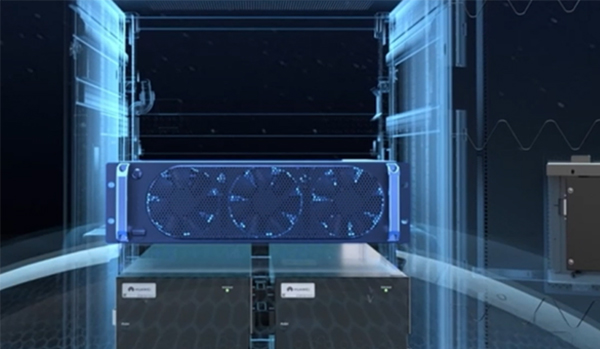
Lithium-ion batteries have the characteristics of high energy density and long service life, and are accelerating the replacement of lead-acid batteries to become the preferred backup power supply scheme for data centers. Due to the active chemical properties of lithium metal, there is a risk of thermal runaway in extreme cases, so how to store lithium-ion batteries safely is of great importance.
How to Store Lithium-Ion Batteries: A Step-by-Step Guide:
When storing lithium-ion batteries, the following professional guidelines must be followed to ensure safety and extend service life:
1. Battery Pack Dismantling and Cleaning
Before storage, the battery pack shall be completely removed from the equipment, and the outer surface shall be carefully wiped with an anti-static soft cloth to ensure no dust, oil, or other contaminants adhere.
2. State of Charge (SOC) Calibration Management
It is recommended to adjust the battery pack's charge level to 40%-60% SOC (State of Charge). This charge range effectively mitigates the risks of overcharging/over-discharging caused by long-term stationary storage and maintains the stability of electrode materials.
3. Temperature and Humidity Environment Control
● Optimal storage temperature: 15°C~25°C.
● extreme temperature: 0°C~60°C.
● Optimal storage humidity: 45%~75%.
● extreme humidity: 5% RH~95% RH (no condensation).
It is worth noting that an independent temperature control system is also required to avoid temperature fluctuations. Direct sunlight or high-humidity environments (such as areas at risk of condensation) are strictly prohibited. The battery packs must be stored vertically, and inverted or lateral placement is forbidden to ensure uniform force on internal cells.
4. Periodic Condition Inspections
A regular inspection mechanism shall be established, with inspection items including but not limited to: shell deformation, interface corrosion, electrolyte leakage, unusual odors, etc. In case of swelling, leakage, or voltage anomalies, the battery shall be immediately isolated in an explosion-proof area and professionally disposed of in accordance with the Regulations on the Administration of Hazardous Chemicals.
5. Long-Term Storage Strategy
Unnecessary single storage exceeding 6 months is avoided. For ultra-long-term storage (≥6 months), comprehensive maintenance shall be performed every 3 months:
● Test the battery pack’s voltage and internal resistance to ensure parameters comply with the manufacturer’s specification sheet;
● Recharge battery packs with a charge level below 30% SOC to 50%±5%;
● Record the temperature and humidity curves of the storage environment and establish a Battery Storage Status File.
● Lithium-ion batteries shall be stored at a distance of not less than 3 meters from surrounding combustibles.
6. Spare Battery Rotation Mechanism
In high-frequency usage scenarios, it is recommended to configure redundant battery packs and implement a circulating rotation system:
Risks of Improper Lithium-Ion Battery Storage
High temperature, humidity, extrusion, and static electricity are the four critical risk factors of improper lithium-ion battery storage. Especially in data centers where lithium ions are widely used, improper storage may lead to:
1. Thermal Runaway Risk
Under improper storage conditions such as overheating, overcharging, or internal short circuits, lithium-ion batteries may experience thermal runaway, which can ultimately lead to battery fires or explosions.
2. Fire Risk
Improperly stored lithium-ion batteries may catch fire due to thermal runaway. Such fires are often difficult to extinguish immediately and carry a risk of re-ignition. Additionally, the toxic gases and smoke generated by the fire can cause severe personal injuries and property damage.
3. Explosion Risk
In extreme cases, improperly stored lithium-ion batteries may explode, not only damaging data center facilities but also causing harm to surrounding areas and environmental pollution.
4. Mechanical Injury Risk
If the environment for storing lithium-ion batteries does not meet safety standards—such as unstable stacking of batteries or lack of proper physical protection—physical injuries may occur during accidents.
To prevent these risks, the following measures shall be taken for the storage of lithium-ion batteries:
● Ensure lithium-ion batteries are stored in well-ventilated environments, away from ignition sources and high temperatures.
● Adhere to relevant safety standards and specifications, such as the proper operation of Battery Management Systems (BMS) to prevent overcharging and overheating.
● Install appropriate fire-fighting and emergency response measures, such as automatic fire suppression systems and emergency drills.
● Conduct regular inspections and maintenance of batteries to ensure they remain in optimal operating condition.
● Lithium-ion batteries must be stored indoors without direct exposure to sunlight or rain. The storage environment must be dry, well ventilated, and clean. They must not be exposed to high levels of infrared or other radiation.
● Store batteries in a separate place. Do not store batteries together with other devices. Do not stack batteries too high, it is not recommended to store batteries on shelves. In addition, the packing cases of battery modules must be intact and placed correctly according to the labels on the packing cases. Do not place battery modules upside down, sideways, or at an angle. Stack battery modules according to the stacking instructions on the packing cases. Do not stack battery modules too high.
● Charge the batteries in time if the end of a charge interval is approaching.
Of course, for data centers, in addition to mastering proper storage methods, it is also essential to select higher-quality lithium battery products.
For example, Huawei SmartLi (Lithium-ion Battery) uses strictly selected lithium iron phosphate (LFP) cells with high consistency, which significantly reduces the risk of fire and other accidents caused by cell issues. It also adopts a 3D cellular protection net combined with an all-plastic compartment design, which can effectively isolate micro-shorts, enhance the overall safety and stability of the battery, and ensure the uninterrupted operation of the power supply system.
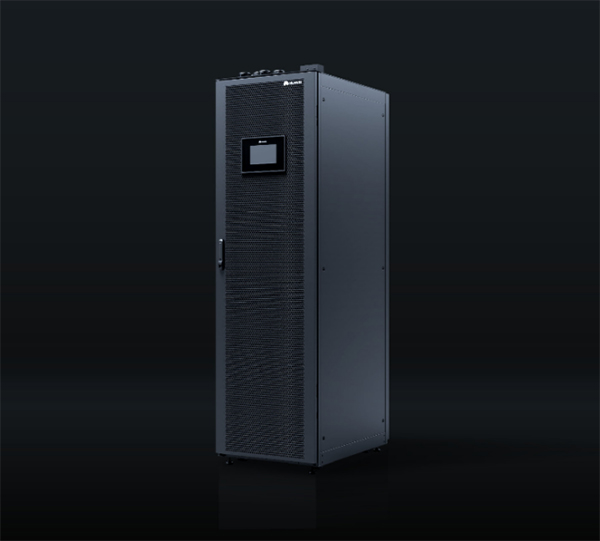
Huawei SmartLi is also equipped with a PACK-level fire extinguishing device, which can rapidly respond to abnormal high temperatures, extinguish local fire sources in a timely manner, prevent the spread of thermal runaway within the cells, and ensure the safety of the lithium-ion battery. Additionally, it features a multi-level BMS protection system, which can actively monitor and isolate risks such as over-temperature, over-voltage, over-current, and under-voltage, providing a solid and reliable power guarantee for power supply in medium and large data centers and critical industries.
How to Dispose of Damaged or Expired Lithium-Ion Batteries Safely?
● Timely transport to a dangerous goods warehouse for separate storage and scrap as soon as possible.
● Keep away from fire sources to avoid chemical reactions caused by combustion, which may lead to fire or explosion.
● Use specialized tools instead of general tools that may generate sparks.
● Handle the batteries in accordance with the guidelines provided by the battery manufacturer and professionals. Special batteries should be disposed of following specific procedures.
● For depleted or expired batteries, hand them over to qualified professional institutions for environmentally friendly and safe recycling or disposal to fulfill environmental responsibilities.
● Keep records of the disposal process and report the disposal situation to the management or regulatory authorities when necessary.
Conclusion
How to store lithium-ion batteries? In conclusion, data center personnel must maintain a proactive safety mindset. Only by staying vigilant and embedding risk prevention into every aspect of operations can you fully leverage the benefits of lithium-ion batteries and ensure a secure, stable data center. When it comes to choosing a backup power solution, Huawei SmartLi provides that extra layer of confidence and reliability.
FAQs
How to store lithium-ion batteries over winters?
In winter’s low temperatures, keep lithium-ion batteries in a dedicated, temperature-controlled room to avoid cold exposure. Because large indoor-outdoor temperature swings can cause condensation, place desiccants in the storage area and install humidity monitors. When storing, the power level of the lithium batteries should be maintained at around 40% to 60%, and it is necessary to avoid long-term storage with a full charge or a low charge level.
Should lithium-ion batteries be stored when fully charged?
It is not recommended to store lithium-ion batteries in data centers when they are fully charged. Generally, the optimal charge level range for storing lithium-ion batteries in data centers is around 40%–60%. In this way, the aging rate of the batteries can be slowed down to a certain extent, the safety risks can be reduced, and the performance stability of the batteries during storage can be maintained.
What are the rules for storing lithium-ion batteries?
Follow the packaging labels to position battery modules correctly and ensure boxes remain intact. Store at 15–25 °C (safe extremes 0–60 °C) and 45–75 % relative humidity (extremes 5–95 % RH, without condensation). Keep the charge level between 40–60 % and perform periodic charge–discharge maintenance to prolong service life and safety.
Disclaimer: Any views and/or opinions expressed in this post by individual authors or contributors are their personal views and/or opinions and do not necessarily reflect the views and/or opinions of Huawei Technologies.