Electric vehicles (EVs) are rapidly transforming the automotive industry, offering an eco-friendly alternative to traditional gasoline-powered cars. With global EV sales surpassing 10 million units in 2022 (IEA), more drivers are considering the switch. However, two critical questions often arise: How much electricity does an electric car use to charge? and What are the different types of ev chargers available?
How Much Electricity Does an Electric Car Use to Charge?
According to different charging scenarios, electric vehicle (EV) chargers are mainly divided into two categories: home EV charging stations and public EV charging stations. Different types of EV chargers have varying charging speeds and output powers.
Home EV Charging Station
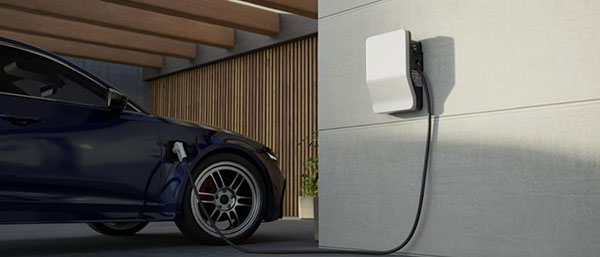
Home EV chargers are EV charging stations that are installed at a residence, either in a garage or outside the house. They are designed for convenient charging and can be customized to fit the needs of the EV owner.
Considering the cost, most home car charging stations use alternating current (AC). The mainstream power ratings are 7 KW, 11 KW, and 22 KW
● 7kW means charging 7kWh in 1 hour, which is about 40 km.
● 11kW means charging 11kWh in 1 hour, which is about 60 km.
● 22 kW means charging 22 kWh in 1 hour, awhich is about 120 km.
Public EV Charging Stations
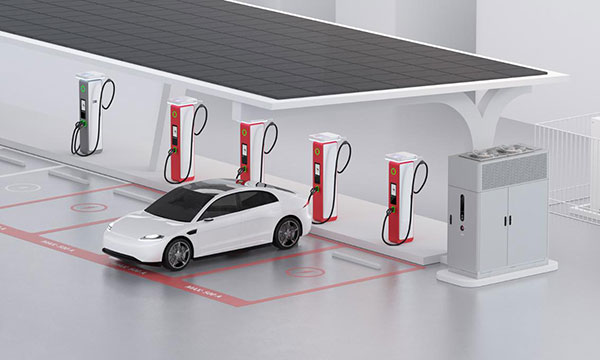
Public charging stations mainly provide charging services for electric vehicle owners who are unable to charge at home or have charging needs while away from home. Such charging stations are usually set up in public places like shopping malls, parking lots, and highway service areas. To a large extent, public electric vehicle charging represents the future development direction of the electric vehicle industry.
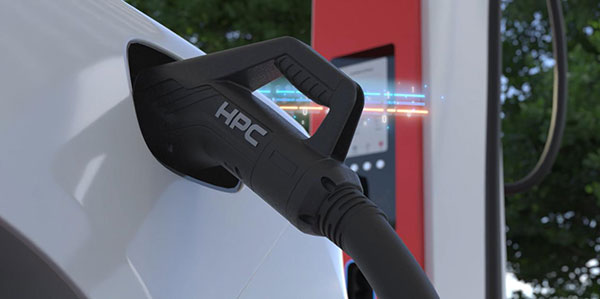
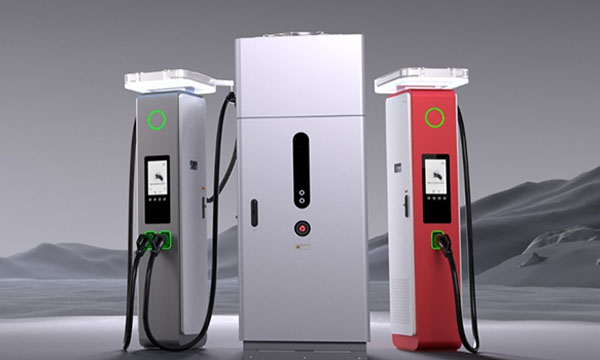
DC fast charging is a common type of charging method in public charging stations. It can output direct current with a power of up to 50 to 150 kilowatts or even higher. In just 15 to 30 minutes, it can increase the vehicle's driving range by 100 to 300 kilometers or even more. It is an ideal choice for electric vehicles to obtain the maximum driving range in a short period of time.
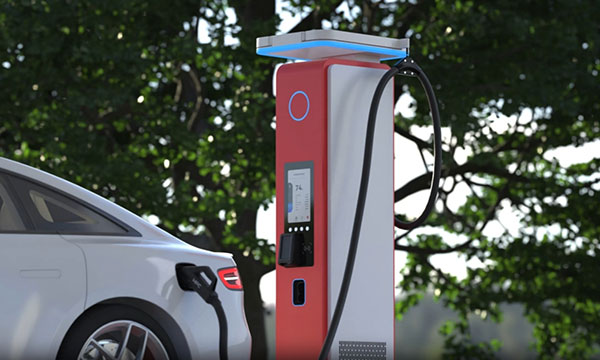
Moreover, in order to effectively relieve users' anxiety about electricity consumption, public charging stations have also introduced the Liquid-Cooled Ultra-Fast Charging technology.Take Huawei FusionCharge Liquid-Cooled Ultra-Fast Charging technology as an example. It can output a charging current of up to 500A*. With a charging efficiency as high as 95.5%*, it can achieve a driving range of more than 200 km in just 5 minutes*. In addition, its charging noise is lower than 50 dB(A)*, bringing a quiet, comfortable and extremely fast charging experience.
Home vs Public Charging Stations
What are the differences among different types of ev chargers? The following table highlights the differences between home chargers and public charging stations:
|
Feature
|
Home Charging Stations
|
Public Charging Stations
|
|
Usage
|
home and small-scale commercial use.
|
Designed for high-demand environments.
|
|
Power Output
|
2 kW - 22 kW
|
50 kW -350 kW or even higher
|
|
Charging Points
|
Usually provides one charging point per unit.
|
Multiple charging points available for several vehicles at once.
|
|
Charging Speed
|
Slower charging speeds compared to DC fast charging stations.
|
It varies, but DC fast charging stations are very fast.
|
|
Installation Costs
|
Lower installation costs
|
Higher installation costs
|
|
Technology Integration
|
It may include smart features.
|
Usually, it has smart grid features and monitoring systems.
|
|
Payment Interface
|
Usually, it has no or basic payment interface as it is used in private settings.
|
It has payment systems as it is intended mainly for public use.
|
|
Accessibility
|
Publicly accessible or privately owned.
|
Publicly accessible
|
What are the Common EV Charger Connectors and Standards?
Whether you are charging your electric vehicle at home or in a public place, compatibility is also a major challenge faced by electric vehicles. After all, not all connectors are suitable for all vehicle models.So, what are the common EV charger connectors and standards worldwide?
TYPE 1 (SAE J1772)
The Type 1 connector, also known as SAE J1772, features a five-pin design and a maximum charging capacity of 80 amps with 240 volts input.
This is commonly found in public charging stations and is also suitable for home charging stations, making it a convenient and universal option for EV owners in North America.
|
EV Connector Type
|
Type 1 (SAE J1772)
|
|
Output Current Type
|
AC (Alternate Current)
|
|
Supply Input
|
120 Volts or 208/240 Volts (Single-phase only)
|
|
Maximum Output Current
|
16 Amps (120 Volts) 80 Amps (208/240 Volts)
|
|
Maximum Output Power
|
1.92 kW (120 Volts) 19.2 kW (208/240 Volts)
|
|
EV Charging Level(s)
|
Level 1, Level 2
|
|
Primary Countries
|
USA, Canada
|
TYPE 2 (MENNEKES)
The Type 2 connector, also known as the Mennekes connector, is a widely used charging standard for Electric Vehicles (EVs) in Europe. It features seven pins and can handle up to 32 amps of current at 400 volts input, providing a maximum power output of 22 kW. This high-power output allows for quick and efficient charging of EVs.
|
EV Connector Type
|
Mennekes (Type 2)
|
|
Output Current Type
|
AC (Alternate Current)
|
|
Supply Input
|
230 Volts (Single-Phase) or 400 Volts (three-phase)
|
|
Maximum Output Current
|
32 Amps (230 Volts) 32 Amps (400 Volts)
|
|
Maximum Output Power
|
7.6 kW (230 Volts) 22 kW (400 Volts)
|
|
EV Charging Level(s)
|
Level 2
|
|
Primary Countries
|
Europe, United Kingdom, Middle East, Africa, Australia
|
CCS1
CCS Type 1 is a popular DC fast charging standard for electric vehicles in North America. It combines the J1722 Type 1 plug with two high-speed DC fast charging pins and can deliver a maximum power output of 360 kW with up to 500 amps and 1000 volts DC.
|
EV Connector Type
|
CCS1
|
|
Output Current Type
|
DC (Direct Current)
|
|
Supply Input
|
480 Volts (three-phase)
|
|
Maximum Output Current
|
500 A
|
|
Maximum Output Power
|
360 kw
|
|
Maximum Output Voltage
|
1000 Volts DC
|
|
EV Charging Level(s)
|
Level 3 (DC fast charging)
|
|
Primary Countries
|
USA, Canada, South Korea
|
CCS2
The CCS Type 2 connector, also known as the CCS Combo 2, is the primary DC fast charging standard used in Europe. It combines the Mennekes Type 2 plug with two high-speed charging pins, providing a maximum power output of 360 kW with up to 500 amps and 1000 volts DC.
|
EV Connector Type
|
CCS2
|
|
Output Current Type
|
DC (Direct Current)
|
|
Supply Input
|
400 Volts (three-phase)
|
|
Maximum Output Current
|
500 A
|
|
Maximum Output Power
|
360 kW
|
|
Maximum Output Voltage
|
1000 Volts DC
|
|
EV Charging Level(s)
|
Level 3 (DC fast charging)
|
|
Primary Countries
|
Europe, United Kingdom, Middle East, Africa, Australia
|
NACS
The North American Charging Standard (NACS) is the most common charging standard in the North American market. It can provide a power output of up to 250 kW and can fully charge an electric vehicle in just 30 minutes.
|
EV Connector Type
|
NACS
|
|
Output Current Type
|
AC / DC
|
|
Supply Input
|
Single or three-phase
|
|
Maximum Output Current
|
48 A (AC) 400 A (DC)
|
|
Maximum Output Power
|
250 kW
|
|
EV Charging Level(s)
|
Level 2 / Level 3
|
|
Primary Countries
|
USA, Canada
|
What factors should you Consider when choosing an EV charger?
Choosing the right EV charger is crucial for optimizing your charging experience and maximizing the efficiency of your electric vehicle. Here are some other key factors to consider when selecting an EV charger:
● Charging Speed and Power
● Type of Connector
● Installation Specifications
● Smart Features and Connectivity
● Durability and Weather Resistance
● Warranty and Support
Conclusion
What are the types of EV Chargers?With the continuous advancement of technology, various charging solutions that are meticulously designed to meet different needs and lifestyles have significantly enhanced convenience. Home charging, with its cost-effectiveness, brings convenience to people's daily vehicle charging, enabling car owners to easily replenish the battery power at home. Public charging stations, on the other hand, relieve long-distance travelers of their range anxiety and also provide urban car owners with flexible charging options, allowing them to charge conveniently no matter where they are. If people can skillfully combine home charging and public charging, they will be able to enjoy a seamless, economical, and environmentally friendly driving experience.
FAQs
Can any electric vehicle use a fast charger?
No, not all electric vehicles can use fast chargers. Whether a fast charger can be used is related to factors such as the battery type, vehicle compatibility, and connector type.
What is the most common EV plug type?
Electric modes of transport (EVs) use a series of different types of connectors, among which the most common ones are: Type 1 (SAE J1772 standard), Type 2 (Mennekes standard), Combined Charging System (CCS), etc. Each type of connector is specifically designed to be compatible with different charging standards and vehicle compatibility requirements.
How long does each type of EV charger typically take to charge an electric car?
The charging time of an electric vehicle largely depends on factors such as the type of charging equipment used, the battery capacity, the state of charge, the battery health, and the ambient temperature.
* The data is based on theoretical values obtained by Huawei internal labs through tests carried out under specific conditions. Actual performance may vary due to differences between software versions, usage conditions, and environmental factors. All data is subject to actual usage.
*The dispenser noise is less than 50dB(A)@25°C at 1m. The data is based on theoretical values obtained by Huawei internal labs through tests carried out under specific conditions. Actual performance may vary due to differences between software versions, usage conditions, and environmental factors. All data is subject to actual usage.
Disclaimer: Any views and/or opinions expressed in this post by individual authors or contributors are their personal views and/or opinions and do not necessarily reflect the views and/or opinions of Huawei Technologies.