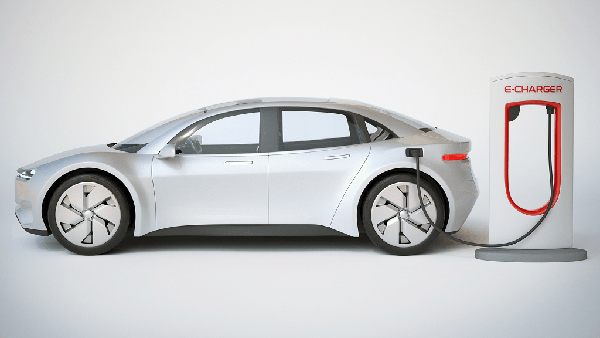
The battery is the key component of an electric vehicle, and its lifespan affects the vehicle's performance and usage cost. If the battery is damaged due to improper handling, it will cost a significant amount of money to replace it in the future. Therefore, this article explores the question of “does fast charging affect battery life ev”.
What is Fast Charging and How Does It Work?
Fast charging, as the name implies, is a charging method that can replenish a large amount of electricity for the battery of an electric vehicle in a relatively short period of time. Compared with traditional slow charging, its charging speed has been significantly increased, greatly reducing the waiting time for car owners.
In terms of technical principles, fast charging mainly relies on the coordinated operation of high-power charging piles and the vehicle's battery management system (BMS). The charging pile outputs high voltage and large current, and these electrical energies quickly flow into the battery. The vehicle's BMS is like a "smart butler", which monitors parameters such as the battery's temperature, voltage, and current in real time to ensure that the battery will not be damaged due to problems such as overheating and overcharging during the fast charging process.
Does super fast charging affect battery life?
From the perspectives of the coordinated operation between the vehicle and the charging pile, as well as the multi-layer certification in vehicle production, the answer is negative. That is to say, fast charging will not have a significant adverse impact on the battery life.
1. There is a delicate coordinating mechanism between vehicles and charging piles
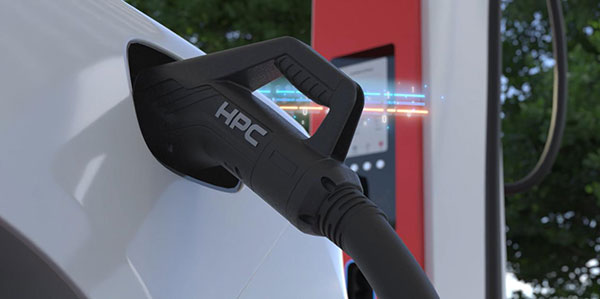
When the vehicle is connected to the charging pile and the fast charging process is started, a close "communication bridge" will be quickly established between the two. The charging pile dynamically and precisely adjusts the output power according to the real-time information fed back by the vehicle's battery management system (BMS), such as key parameters like the current battery charge level, temperature, and voltage. This means that the charging current and voltage are not constant but are constantly adapted to the current state of the battery, avoiding damage to the internal structure of the battery caused by excessive high current and high voltage impacts, and ensuring the battery's lifespan from the perspective of the charging process.
2. Modern electric vehicles have undergone rigorous multi-layered certification tests during the production process
Starting from the initial screening of battery raw materials, strict checks are carried out on performance indicators such as stability and high-temperature resistance to ensure that the batteries put into use have a good inherent foundation and can withstand a certain intensity of charging and discharging processes. After the battery assembly is completed, a series of complex simulation tests are required to simulate various usage scenarios, including fast charging. Only when they fully meet the standards can they enter the vehicle assembly stage.
After the vehicle is fully assembled, comprehensive safety and performance verification is still needed to further ensure that when the vehicle is fast charging, all systems work in a coordinated and stable manner, and battery failures or accelerated aging will not be caused by compatibility issues. With such multiple layers of protection, fast charging has a solid guarantee, which minimizes the potential threat to the battery life and brings car owners a worry-free charging experience.
Does super fast charging affect battery life
Similar to the principle of fast charging, as long as the charging method is appropriate, using super-fast charging actually has little impact on the car battery. Instead, it can significantly enhance the charging experience.
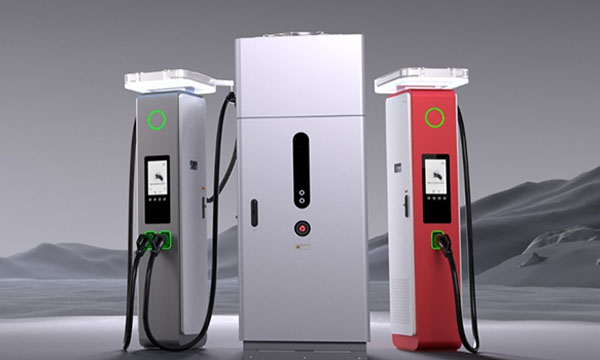
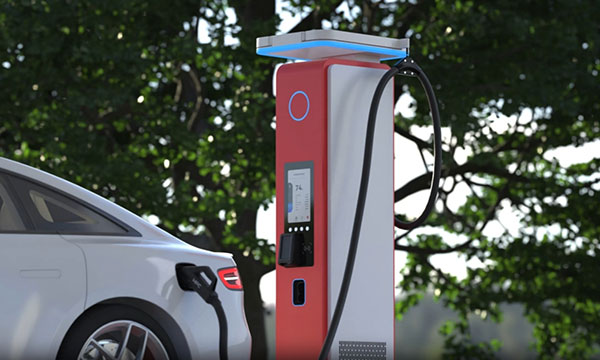
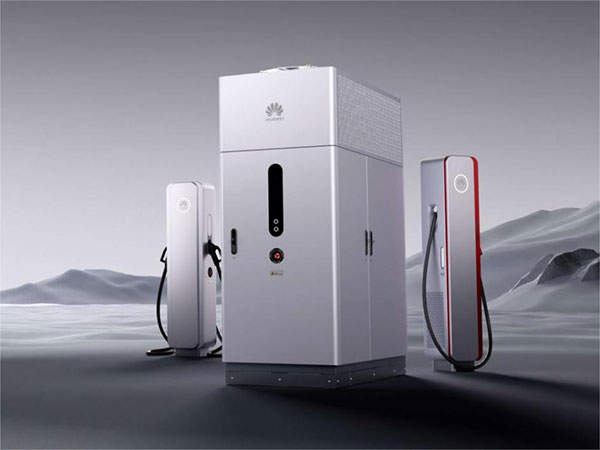
For example, if you use a charging station equipped with Huawei FusionCharge Liquid-Cooled Ultra-Fast Charging terminals, it is not only battery-friendly but also can provide ultra-fast charging current of up to 500A*, charging 5 minutes, 200+km range*. In addition, its charging noise is less than 50dB (A)*, so users can enjoy a quiet environment while charging.
What Are the Pros and Cons of Fast Charging Your Electric Vehicle?
Fast charging speed: In a short period of time, it can replenish a large amount of electricity for the battery, generally from a low level to about 80% in 30-60 minutes, such as Huawei FusionCharge Liquid-Cooled Ultra-Fast Charging can reach a higher level of electricity in a shorter time, which is very suitable for emergency or long-distance driving, greatly reducing the charging waiting time and improving the convenience and practicality of electric vehicles..
Suitable for long-distance trips: For users of electric vehicles who need to drive long distances, fast charging can replenish the vehicle's energy more quickly, reducing the charging time on the road. This makes long-distance travel more feasible, increases the driving range of electric vehicles, and gives users more confidence to embark on long-distance journeys.
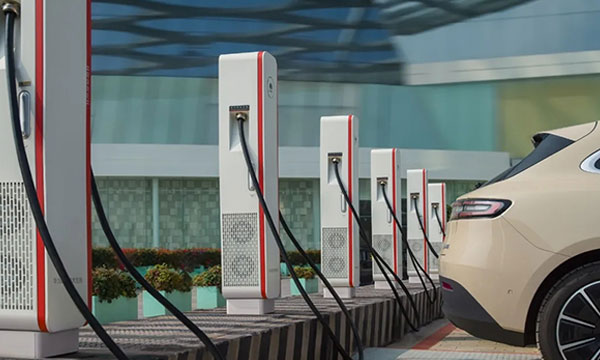
Wider distribution of charging piles: Compared with slow charging, there are relatively more fast charging piles with a wider coverage. They are usually distributed in high-density areas of cities, such as commercial areas, parking lots, highway service areas, etc., which makes it convenient for users to find and use them, thus improving the convenience of charging.
High energy utilization rate: Fast charging technology is mature and can usually achieve an efficiency of more than 90%. The charging efficiency of Huawei FusionCharge Liquid-Cooled Ultra-Fast Charging is as high as 95.5%*. The energy loss during charging is relatively small, and the electricity in the power grid can be efficiently converted into the chemical energy of the battery.
Conclusion
Does fast charging affect battery life?In conclusion, when fast charging is used rationally, its impact on the battery life is controllable, and it also brings a lot of convenience. However, this does not mean that it can be used without restraint. Car owners still need to make decisions according to the actual situation. In the future, with the iterative development of technology, it is believed that the compatibility between batteries, fast charging, and super-fast charging will be even stronger, making electric vehicle travel more worry-free and smoother.
FAQs
Is it better to fast charge or slow charge?
Both fast charging and slow charging have their own characteristics. It's advisable to choose the appropriate charging method according to your own situation. If you're short on time and often have the need for long-distance trips or emergency charging, then fast charging is a better option. It can replenish a large amount of electricity for the vehicle in a short time, greatly reducing the charging waiting time and improving the convenience and flexibility of travel. If your daily usage scenarios are relatively fixed and you have ample charging time, you can choose slow charging.
Does slow charging ruin your battery?
Under normal circumstances, slow charging causes relatively little damage to the battery. It charges the battery with a lower current and voltage, and the internal chemical reactions of the battery are relatively gentle, which is conducive to maintaining the stability of the battery. However, if slow charging is carried out for a long time in a high-temperature environment, it may also have a certain negative impact on the battery.
Should I use fast charging all the time?
Whether you should always use fast charging needs to be determined according to your own situation, and there is no absolute answer. For example, if you often need to replenish a large amount of electricity for your vehicle in a short time, such as during a long-distance trip or when there are sudden travel arrangements, then fast charging can meet your time requirements, save the charging waiting time, and improve the travel efficiency. If your daily travel range is relatively fixed, you have relatively ample charging time, and you care more about the long-term health of the battery, then it would be a better choice to combine with slow charging occasionally.
* The data is based on theoretical values obtained by Huawei internal labs through tests carried out under specific conditions. Actual performance may vary due to differences between software versions, usage conditions, and environmental factors. All data is subject to actual usage.
*The dispenser noise is less than 50dB(A)@25°C at 1m. The data is based on theoretical values obtained by Huawei internal labs through tests carried out under specific conditions. Actual performance may vary due to differences between software versions, usage conditions, and environmental factors. All data is subject to actual usage.
Disclaimer: Any views and/or opinions expressed in this post by individual authors or contributors are their personal views and/or opinions and do not necessarily reflect the views and/or opinions of Huawei Technologies.