Today, as electric vehicles are gradually becoming more popular, various questions about charging have also emerged. The public, especially those interested in new energy vehicles, need to have an in-depth understanding of electric vehicle charging. Next, we will focus on a series of core questions such as "how many kWh to charge an electric car", "how many kilowatts to charge an electric car", and "what types of electric vehicle charging stations are there", to unveil the mystery of electric vehicle charging for you.
What Is the Difference Between kW and kWh?
If you want to know the answers to questions like "how many kWh to charge an electric car" and "how many kilowatts to charge an electric car", you need to first understand the difference between kW and kWh.
kW is a unit of power. It represents how quickly an electrical appliance uses or delivers electricity—similar to a car's speed, reflecting energy output intensity. For example, a home charger with 7 kW power can output 7,000 joules of energy per second.
kWh is a unit of energy, commonly known as a "kilowatt-hour." It represents the total energy consumed or generated over a period of time, much like the distance a car travels. For instance, a 7 kW charger running for 1 hour uses 7 kWh of electricity.
In simple terms, kW describes "capacity," while kWh reflects "result."
How Many kWh to Charge an Electric Car?
How many kWh to fully charge an electric car depends mainly on two key factors: the battery capacity of the vehicle and the charging efficiency.
Vehicle Battery Capacity
● Small electric vehicle
Small electric vehicles usually have smaller battery packs, typically around 16–24 kWh. For example, the Chevrolet VOLT has a 16 kWh battery, and the Nissan LEAF has a 24 kWh battery.
● Mid-size electric vehicle
Mid-size EVs balance driving range and cost, with battery capacities typically between 23 and 33.8 kWh. For example, the Ford Focus EV has a 23 kWh battery, while the CODA electric vehicle has a 33.8 kWh battery.
● Large electric vehicle
Larger EVs, built for longer driving ranges and heavier loads, often feature batteries ranging from 33.8 to 60 kWh. For example, the BYD e6 has a 57 kWh battery.
Charging Efficiency
Charging efficiency refers to the proportion of electricity effectively stored in the battery compared to the total electricity input. It reflects energy utilization during the charging process.
Due to energy conversion losses and line resistance, not all electricity is converted into usable battery power. Factors such as battery technology, charger power, and ambient temperature also influence this efficiency.
What Types of Electric Vehicle Charging Stations Are There?
AC Charging Station (Typically Slow Charging)
AC charging stations output alternating current, which must be converted into DC by the vehicle’s onboard charger. This method offers lower power and slower charging speeds. Home AC chargers typically range from 3.6 to 19.2 kW, and public ones from 7 to 22 kW. Fully charging a 60 kWh EV can take 8–10 hours, making it ideal for overnight home use or long-term parking scenarios.
DC Charging Station (Also Known as Fast Charging)
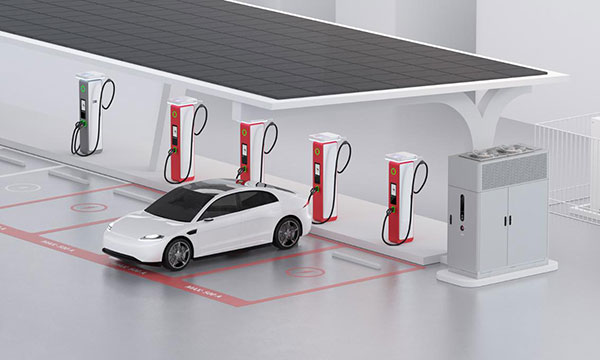
DC charging stations deliver direct current directly to vehicle batteries—eliminating the need for on-board converters—to achieve high-efficiency, rapid charging.
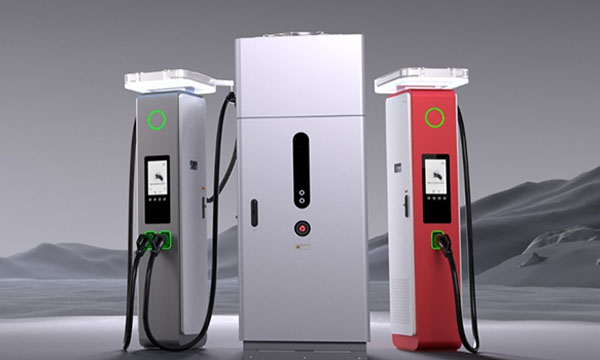
For example, Huawei FusionCharge Liquid-Cooled Ultra-Fast Charging supports a 500A current with a charging efficiency of 95.5%*, adding over 200 km of range in just 5 minutes*. This makes it ideal for highway service areas, commercial fleet operations, or emergency charging scenarios.
Notably, Huawei FusionCharge Liquid-Cooled Ultra-Fast Charging also features smart peak-shaving technology to optimize energy use and supports future charging upgrades and solar-storage integration, making EV charging more efficient, intelligent, and eco-friendly.
How to Optimize Your Charge and Reduce kWh Consumption?
● Avoid deep discharge: Recharge when the battery level falls to around 20–30% to minimize wear and boost charging efficiency.
● Time your charging: Use AC slow charging during off-peak overnight hours to lower costs and reduce battery stress.
● Maintain your system: Regularly service your vehicle and inspect charging cables and connectors to prevent energy loss from faulty lines.
Conclusion
Understanding key topics like "how many kWh to charge an electric car" is crucial for EV owners to use their vehicles efficiently, cut costs, and extend battery life. From distinguishing between kilowatts and kilowatt-hours, to the factors affecting charging power, and the types of charging stations available—every step matters. Only with this knowledge can we fully enjoy the benefits of electric vehicles and support the sustainable growth of the EV industry.
FAQs
How Far Can an Electric Car Go on a Full Charge?
The driving range of electric vehicles is affected by various factors. In addition to battery capacity, it also depends on driving habits, road conditions, vehicle load, temperature, and so on. Generally speaking, the driving range of small electric vehicles is about 200–300 kilometers; that of mid-size electric vehicles is 300–500 kilometers; and large electric vehicles can exceed 500 kilometers.
Does Super Fast Charging Damage the Battery?
Whether fast charging or normal charging, both cause battery wear, which is a gradual process and a normal phenomenon in the use of lithium-ion batteries. However, modern electric vehicles are generally equipped with an advanced Battery Management System (BMS), which can monitor and adjust the charging process to reduce damage caused by charging.
How Much Does It Cost to Charge an EV?
The charging fee mainly depends on charging power and electricity price.
● For home charging with domestic electricity, prices vary by region, generally ranging from $0.10 to $0.30 per kWh.
● At public charging stations, prices vary by region, time period, and charging method. For public AC charging—including service fees—the cost is about $0.20 to $0.50 per kWh; DC fast charging typically costs $0.30 to $0.80 per kWh or more.
*The data is based on theoretical values obtained by Huawei internal labs through tests carried out under specific conditions. Actual performance may vary due to differences between software versions, usage conditions, and environmental factors. All data is subject to actual usage.
Disclaimer: Any views and/or opinions expressed in this post by individual authors or contributors are their personal views and/or opinions and do not necessarily reflect the views and/or opinions of Huawei Technologies.