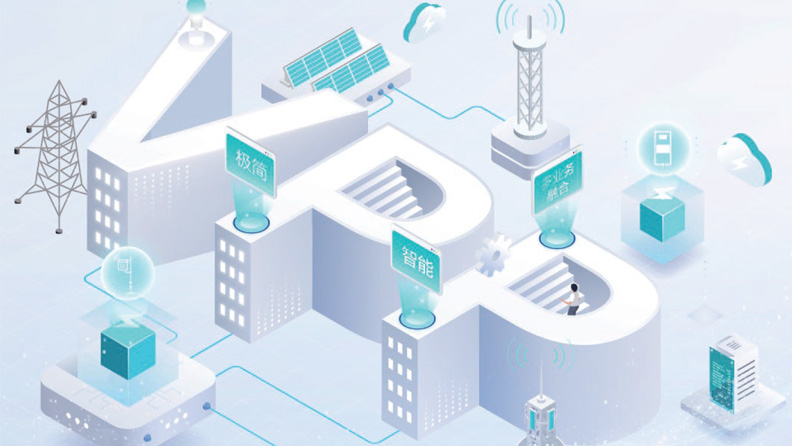
Countries and regions around the world are setting off a wave of digitalization and decarbonization. In Malaysia, digitalization means access to reliable basic networks, low-carbon operations of networks, and no digital gaps across the country.
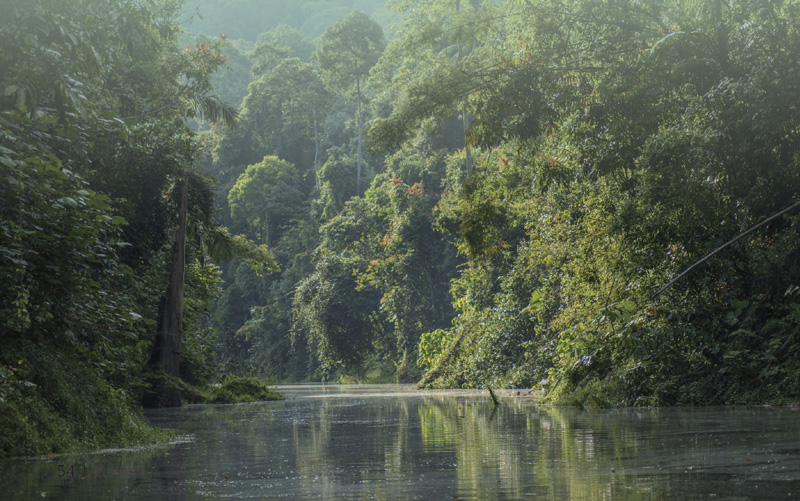
Rajang River (Sungai Rajang in Malay) is the longest river in the tropical state of Sarawak. While the nature here is stunning, the area's remoteness means that the communication services in many villages along the banks of the Rajang River are unreliable. Without a stable electricity supply, generator sets are needed to power many of the local telecom sites. The generators are expensive and difficult to maintain, reducing access to networks and exacerbating the digital divide in Malaysia.
Is It Possible to Bridge Malaysia's Digital Divide?
As early as 1996, Malaysia started a nationwide ICT project aiming to provide more areas with equal development opportunities. In 2020, the country launched the Jalinan Digital Negara (JENDELA) plan to promote the development of digital communications and enhance network coverage, bridging the digital divide in remote areas.
REDtone, a leading local broadband provider, is one of the participants in the JENDELA initiative. Initially, REDtone used generator sets to supply power to sites in remote areas like Sarawak. Although this was effective at first, as the number of sites requiring a stable connection increased, the solution became more of a burden.
Malaysia's tropical climate brings heavy rains throughout the year, leaving many roads in remote areas muddy and unpassable. Meanwhile, generator sets require regular maintenance with onsite visits at least twice a month. And if they fail, it takes a long time to restart them, further reducing power supply reliability. Additionally, while the noise from the generators is not a significant challenge, environmental pollution has become an important issue. Due to the increasing scope, lack of access, slow service restoration, and pollution, it was too expensive and labor-intensive for REDtone to ensure a good user experience while using generators.
As such, REDtone had a two-pronged goal — to reduce energy and O&M costs while providing more stable and greener network connection services for end users in remote areas.
The Solution Did More Than Save Money and Improve Services
REDtone's challenges are not unique; many carriers are facing similar issues. As carbon neutrality takes center stage and energy prices rise, reducing carbon emissions and energy costs has become essential for carriers. Huawei Digital Power has launched a series of innovative solutions to build simplified, green, and cost-effective intelligent sites for various industry customers.
REDtone chose the Huawei iSolar PV+energy storage solution to reconstruct existing sites, enabling sustainable solar energy to support efficient and stable power system operations. The solution has benefitted REDtone in several ways.
The Huawei iSolar PV+energy storage solution uses the PV+energy storage algorithm to dynamically charge and discharge batteries based on how much energy is produced versus consumed. The surplus energy is stored in intelligent lithium batteries, preventing PV power waste and ensuring that green power serves as the main power supply for sites. Sites with sufficient irradiance can rely entirely on solar energy with zero carbon emissions.
At the same time, solar energy minimizes the need for refueling. As a result, REDtone is saving over 90% in energy OPEX, which is way above the company's expectations.
The new solution also prolongs the uptime of the site power supply system to 99.5%. This is a significant improvement in reliability compared to generator sets, preventing service interruptions even if there is a fault.
Finally, remote O&M replaces the two site visits per month. O&M personnel can use the NetEco to monitor the status of site power supplies, PV modules, and batteries in real time, changing passive response to proactive O&M and redefining the operational experience.
Bridging the Digital Divide with Green Energy
As we work toward carbon neutrality, PV power is becoming increasingly popular. In Renewables 2024, the International Energy Agency (IEA) predicts that PV power will be at the core of global renewable energy development over the next decade.
More industries are realizing that PV power can help enterprises cut energy costs and improve their competitiveness. As technologies advance, PV systems are becoming cheaper and more efficient. In the future, enterprises may not only consume but also generate energy.
For example, in the telecom industry, site facilities consume a lot of energy for routine network operations. Carriers used to regard this as a cost burden. Now, sites have become important energy sources. More sites mean more energy sources and more value creation in the carbon neutrality era.
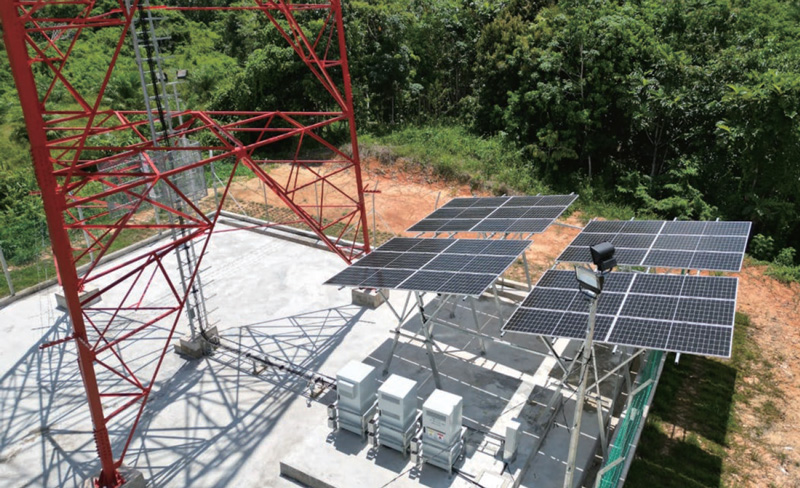
Huawei Digital Power strives to break through technical barriers and innovatively integrate communications, energy, and cooling devices. In addition to simplifying site evolution, Huawei Digital Power has introduced the PV+energy storage model, minimizing site energy consumption and carbon emissions and extending digitalization to more remote areas.
Various regions, especially in Southeast Asia and Africa, are implementing the Huawei iSolar PV+energy storage solution to integrate digital and power electronics technologies. Huawei's innovative solution and business model bring digital to every person, home, and organization for a fully connected, intelligent world.
Today, 100% PV-powered sites along the banks of the Rajang River connect the rural network of Malaysia to the rest of the country, supporting the JENDELA initiative. Huawei collaborates closely with Malaysia REDtone to deliver green connections for sites for a more interconnected world.