Against the backdrop of the continuous deepening of the global energy transformation and the comprehensive prevalence of the concept of green environmental protection, new energy vehicles, led by electric vehicles, have become a top priority in the development of the automotive industry. With the widespread popularization of electric vehicles, their charging methods have also become the focus of public attention. So, how do you charge an electric car? Next, we will examine the details in depth.
What Are the Types of Electric Vehicle Charging Stations?
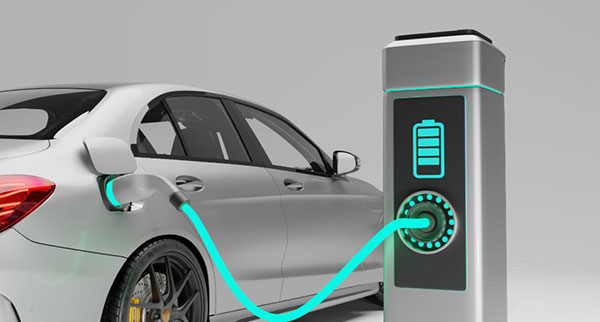
When electric vehicles are replenishing energy, according to the magnitude of the charging current and the speed of charging, charging stations can be roughly divided into slow-charging stations, AC fast-charging stations, and DC fast-charging stations.
What are the differences among the three types of electric vehicle charging stations?
Slow-charging stations:
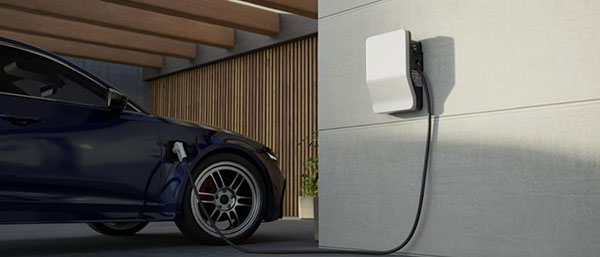
Slow-charging stations are usually modified from ordinary household wall sockets. They have a relatively small charging current and a slow charging speed.
Generally speaking, the charging current is around 6A–32A, and it can only provide enough power for the vehicle to travel 1.6 to 8 km per hour of charging. If you want to fully charge the vehicle, it will take 5 to 9 hours, or even longer.
Slow-charging stations are more suitable for places where vehicles stay for a long time, such as homes and apartments. They are convenient for users to charge their vehicles at night or during long parking periods.
AC fast-charging stations:
AC fast-charging stations need to rely on dedicated charging piles. With the increase in charging current, the charging speed also speeds up accordingly.
Generally speaking, the charging current is above 63A. The charging speed falls between that of slow-charging stations and DC fast-charging stations. It can approximately enable the vehicle to travel 16 to 32 kilometers per hour of charging, and it takes about 1 to 4 hours to fully charge the vehicle. The specific charging time varies depending on the vehicle and the power of the charging pile.
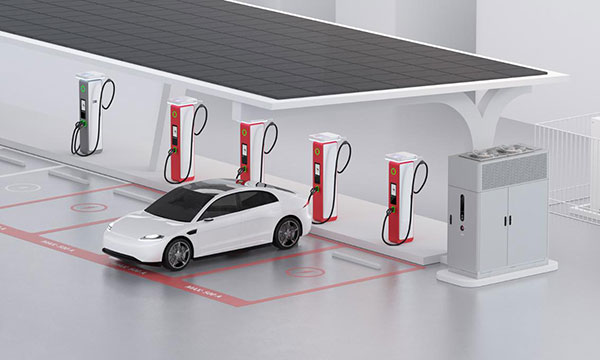
AC fast-charging stations are suitable for places such as public parking lots, shopping malls, commercial centers, and office buildings. The vehicles can complete the charging process during the time when users are shopping or working.
DC fast-charging stations:
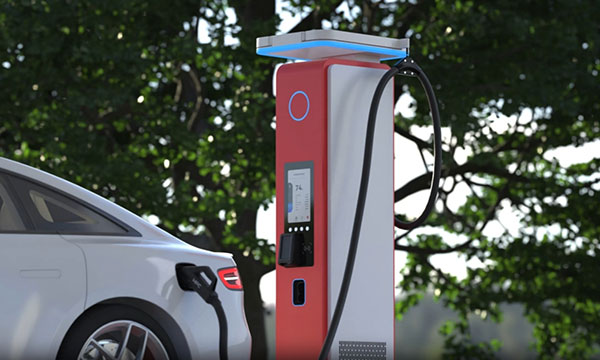
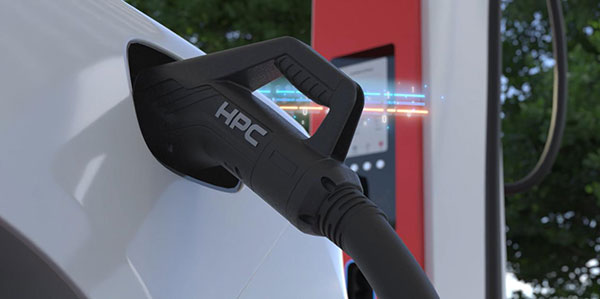
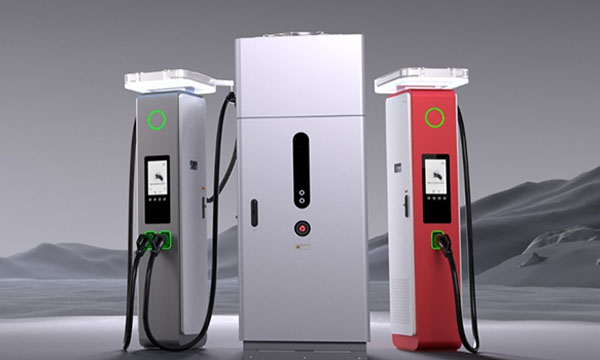
DC fast-charging stations directly output direct current from ground-based charging piles to charge the vehicle's on-board power battery. The charging current is relatively large, and the charging speed is also very fast.
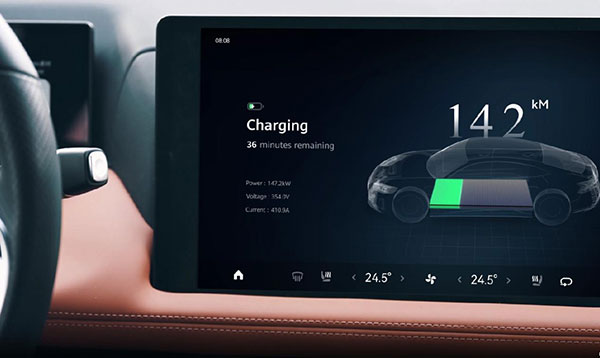
Generally, the charging current of a DC fast-charging station ranges from 150A to 400A. It can charge an electric vehicle to approximately 80% of its capacity within 30 minutes to 1 hour, and the current of some super-fast-charging piles can be even higher. For example, the charging current of Huawei FusionCharge Liquid-Cooled Ultra-Fast Charging reaches a larger value of 500A, and the charging efficiency is increased to 95.5%, enabling faster charging. After charging for 5 minutes, the vehicle can travel more than 200 kilometers, which can meet the needs of car owners for long-distance trips and rapid energy replenishment.
DC fast-charging stations are suitable for urban public charging facilities, highway service areas, as well as the charging scenarios of operating vehicles such as taxis and ride-hailing cars. They enable vehicles to replenish a large amount of electricity in a short period of time, reducing waiting time and improving the usage efficiency.
Conclusion
How do you charge an electric car? Generally speaking, there are various charging methods for electric vehicles, and three types of charging stations can be used, namely slow charging stations, AC fast-charging stations, and DC fast-charging stations. Slow-charging stations have a small charging current and a slow-charging speed, making them suitable for scenarios such as home use where vehicles are parked for a long time. The charging speed of AC fast-charging stations is moderate. DC fast-charging stations have a large charging current and a fast-charging speed, which are suitable for scenarios where there is an urgent need to replenish energy. Car owners can simply choose according to their own needs.
FAQs
Can I Plug My EV into a Regular Household Outlet?
Electric vehicles can be charged using household sockets. For example, the slow-charging stations mentioned above are quite suitable for home use.
However, it should also be noted that the current of household sockets is relatively small, and it usually takes a long time to fully charge an electric vehicle. When the socket operates under high load for an extended period, there are likely to be some potential safety hazards, such as circuit overload, overheating, and even fires. To improve charging efficiency and safety, it is recommended to consider installing dedicated charging equipment and make rational use of the intelligent charging management system.
What Are the Steps to Charge an Electric Vehicle?
Preparation Work: Confirm whether the charging equipment and the charging pile are operating normally.
Connecting the Charging Equipment: Insert and connect it in the correct direction.
Starting Charging: Carry out the charging operation according to the type of the charging pile, and confirm that the charging has started.
Charging Completion: When the set charging target is reached, the charging will stop automatically.
Subsequent Work: Pull out the charging gun, place it back in the designated position, close the cover of the charging port, and settle the charging fee.
Is Electric Vehicle Charging Noise Loud?
Since the cooling fan of the charging pile will generate noise when it rotates at a high speed, and the power conversion module will also produce noise when converting alternating current into direct current, there will be a certain level of noise when an electric vehicle is being charged. Notably, advanced DC fast-charging piles incorporate integrated solutions to address technical challenges. For example, the Huawei FusionCharge Liquid-Cooled Ultra-Fast Charging mentioned earlier has a noise level of less than 50dB (A)*. Thus, car owners can enjoy a quiet and comfortable environment while their vehicles are being charged.
* The data is based on theoretical values obtained by Huawei internal labs through tests carried out under specific conditions. Actual performance may vary due to differences between software versions, usage conditions, and environmental factors. All data is subject to actual usage.
*The dispenser noise is less than 50dB(A)@25°C at 1m. The data is based on theoretical values obtained by Huawei internal labs through tests carried out under specific conditions. Actual performance may vary due to differences between software versions, usage conditions, and environmental factors. All data is subject to actual usage.
Disclaimer: Any views and/or opinions expressed in this post by individual authors or contributors are their personal views and/or opinions and do not necessarily reflect the views and/or opinions of Huawei Technologies.