Amid the wave of global energy transition, the telecom industry is pursuing the path of low-carbon development. As 5G networks expand and the number of sites increases, operators face challenges in maintaining efficient, energy-saving, and eco-friendly network operations. Starting at the site level, Huawei is leveraging technology to explore opportunities for green development.
The telecom industry, an "invisible" digital infrastructure sector, is emerging as a key area for reducing carbon emissions. Advances in AI, 5G, and livestreaming technologies and applications increase power consumption at telecom sites. Renewable energy offers more cost-effective and environmentally friendly solutions than traditional energy sources. Operators must now prioritize energy savings and reduce carbon emissions while ensuring network reliability.
Using "green sites" as a starting point, Huawei collaborates with global operators to modernize their energy systems. Cases from Kuwait in the Middle East and Pakistan in South Asia illustrate distinct yet parallel successes, demonstrating that technology makes sustainability achievable.
Green Network in Kuwait
In the Kuwaiti desert, under the relentless sun, the Zain and Huawei "green story" begins. Zain, a leading Middle Eastern telecom operator, established its "net zero emissions by 2050" target early, aligning with Huawei's objectives.
To achieve this, Zain embarked on modernizing its network energy infrastructure, transforming a traditional communication network reliant on diesel generators and air-conditioned equipment shelters into a simpler and greener network. Huawei proposed a solution: Develop a smarter, more efficient, and greener power system at each site.
In the remote desert areas, Huawei replaced traditional shelter-based equipment with a single outdoor cabinet. The power supply system and energy storage equipment were integrated into the cabinet, reducing energy consumption for air conditioning, increasing site energy efficiency from 55% to 90%, and significantly alleviating O&M pressure.
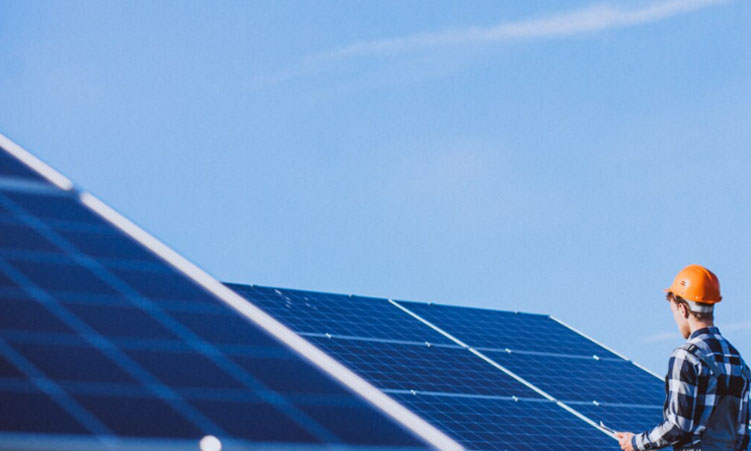
Furthermore, Zain adopted Huawei's iSolar site PV deployment solution. PV systems were used to replace diesel generators, implementing PV+energy storage synergy and intelligent scheduling. Operational data confirms that this solution lowers fuel consumption by 18,000 liters, reduces CO2 emissions by 49 tons, and shortens diesel generator runtime by 73% annually per site. The significant improvement in energy self-sufficiency allows the sites to operate reliably even in extreme high-temperature environments.
Behind these energy-saving metrics lies a core belief: In resource-constrained environments, digitalization and intelligence enable energy use to be more precise and sustainable, transforming the communication network from a mere technology carrier into an inclusive digital foundation.
Huawei has supported Zain in deploying Huawei's green network solution across several countries, including Kuwait and Saudi Arabia. Over 1,800 sites have been modernized and are projected to reduce carbon emissions by 150,000 tons annually, equivalent to planting 4.8 million trees.
This represents a quiet revolution, shifting from fuel-based to solar-powered operations. Empowered by technology, communication networks now thrive under the relentless sun, bringing service to unconnected areas and illuminating digital pathways in remote regions.
Low-Carbon Breakthrough in Pakistan
Unlike Zain in oil-rich Kuwait, JAZZ in Pakistan faces challenges of limited grid energy supply and high energy costs.
Pakistan's power grid infrastructure is underdeveloped, leading to frequent power outages and an unstable power supply. Diesel generators and rising fuel prices impose a heavy operational burden on telecom sites. JAZZ, Pakistan's largest mobile operator and a subsidiary of VEON, is committed to achieving VEON's goal of zero emissions by 2050 by pursuing practical and attainable sustainability approaches.
In 2024, after rigorous technical reviews, JAZZ finally chose to partner with Huawei and introduced the iSolar PV solution to modernize its sites. A key feature of this solution is that it enables self-sufficiency and energy savings, and reduces carbon emissions at existing sites by deploying PV modules. As PV power increases, so does the return on investment.
By deeply integrating PV, energy storage, and intelligent control, this solution ensures that over 92% of a site's power comes from PV systems, substantially reducing diesel generator usage and saving 96% on fuel. This lowers energy costs while improving network stability.
JAZZ views this as more than just energy savings; it is about transforming the entire business model. The traditional business model required high operational expenses for fuel transport, maintenance, and backup power. Now, Huawei's solution empowers JAZZ to remotely obtain each site's energy consumption, automatically optimize charging and discharging, and implement automated O&M to enable long-term and sustainable operations.
In Pakistan, this green transition is spreading rapidly in a replicable and scalable manner. In the future, JAZZ will continue working with Huawei to deploy more PV-powered sites, jointly promoting the comprehensive low-carbonization of telecom power systems, and shaping a smarter, greener, and more inclusive future rich with opportunities of connections.
A Sustainable Future
Kuwait's intense heat and Pakistan's power constraints highlight one truth: The communication network is becoming a new frontline for the energy transition.
Huawei's value extends beyond its equipment and solutions; it includes a clear vision for sustainability: Transform each site into a "micro hub" of green energy, utilize intelligent scheduling as the "central nervous system" for energy efficiency optimization, and turn carbon reduction into a measurable operation metric rather than an abstract slogan.
As this vision gains global traction, more operators are evolving from energy consumers to energy prosumers. The cases of Zain and JAZZ exemplify the broader trend toward digitalization, intelligence, and sustainability.
Huawei advocates "Leading Site Energy Digitalization for Ubiquitous Green Connections and Computing." What flows under telecom towers is not only data signals, but also green energy and hope.