The integration of green energy, megawatt charging, and grid technologies is accelerating transformation across application scenarios including mines, ports, and logistics lines. In Beichuan, zero-carbon transportation is becoming a reality.
Across the mountainous terrain and mining roads in Beichuan Qiang Autonomous County, Mianyang City, Sichuan Province, fleets of heavy goods vehicles (HGVs) are constantly in operation. Historically, the rumbling of diesel engines and plumes of exhaust defined the backdrop of mining area logistics. Now, a new scene is unfolding, featuring electric HGVs powered by the world's first 100 MW charging station, supported by Huawei's megawatt charging technology.
This station was constructed by Sichuan Yuanqi Starlight Digital Power Technology Co., Ltd. and adopted Huawei's megawatt charging technologies to provide vehicle owners with an experience of ultra-fast charging. The station has set a new benchmark for HGV charging infrastructure. It is more than just a charging station; it is an "energy engine" that carries the vision of green development and accelerates the logistics industry toward a fully electric future.
Beichuan Electrified: The Dawn of Megawatt Charging
Rich in gravel reserves, Beichuan faces a growing demand for efficient transportation solutions. Mining transportation has traditionally relied on diesel-powered HGVs, which are energy-intensive, polluting, and expensive to operate. The emergence of electric HGVs has created an opportunity for green transformation, yet "range anxiety" and "charging efficiency" have remained critical bottlenecks.
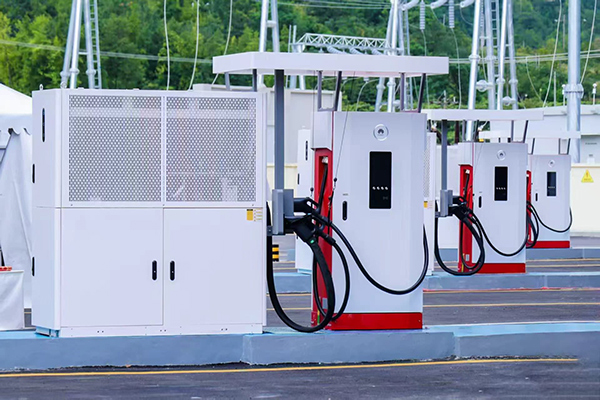
The Sichuan Yuanqi Starlight Heavy Goods Vehicle Megawatt Charging Station was established to address this challenge. With a total investment of CNY150 million and spanning 46,666 square meters, the station is designed with a power capacity of 100 MW. It includes 18 megawatt charging spots, each with 1.44 MW of power, and 108 liquid-cooled ultra-fast charging spots, each with 600 kW of power. The facility can serve up to 700 electric HGVs per day. Since its launch, the station has supplied over 300,000 kWh of electricity daily, enough to power a small town.
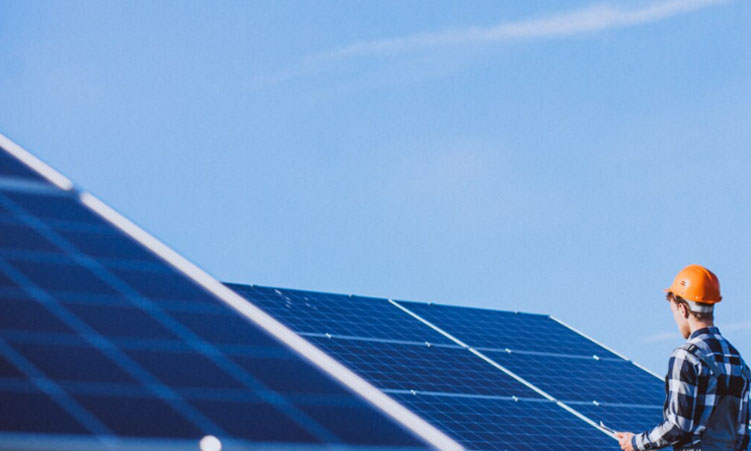
Furthermore, the station uses an integrated PV+ESS+charger solution, featuring a nearly 1 MW PV carport and two 215 kWh hybrid cooling energy storage systems (ESSs). The station generates about 3,000 kWh of green electricity daily, reducing carbon emissions by about 27,000 tons annually and setting a new benchmark for the green and low-carbon transformation of Beichuan's mining sector. This is not merely a charging station; it is a zerocarbon energy facility.
Three Pillars of Megawatt Charging
1. Ultra-fast charging
The concept of ultra-fast charging may once have seemed unattainable, but it has become a reality in Beichuan. Leveraging Huawei's megawatt charging technology, the station enables "15-minute" charging, solving a critical operational challenge for electric HGVs. For the logistics industry, this means a significant improvement in vehicle turnover efficiency, truly achieving "shorter stops, longer drives."
2. Superior quality
Unlike passenger vehicle charging, HGV charging demands higher standards of safety, stability, and reliability. Huawei FusionCharge Megawatt Charging Solution achieves the industry's first stable output of 2,400 A and earning the "Star of Megawatt Charging" certificate from the China Automotive Technology and Research Center (CATARC). With a service life of over 10 years, the solution is built with a fully enclosed, liquid-cooled design to withstand extreme environments, including high temperatures and dust common in mining areas, delivering reliable performance and operating with minimum energy loss.
3. Optimal return on investment (ROI)
The energy cost per kilometer for an electric HGV is approximately CNY1.5 lower than that of a diesel equivalent. This translates to annual savings of around CNY150,000 per vehicle. For fleet operators and charge point operators (CPOs), this represents an environmentally conscious design as well as a financially sound strategic investment. Through the PV+ESS+charger technologies, the station can also participate in time-of-use (TOU) arbitrage and maximize green energy consumption, achieving both environmental and economic benefits.
Cross-sector Collaboration for Electrified Logistics
A single charging station can power a mining area, while an ultra-fast charging network can propel the entire industry into a new stage of development.
At the project launch ceremony, Xuzhou Construction Machinery Group (XCMG) delivered the first batch of 200 megawatt charging tractors, as part of the Phase I order totaling 500 units. By the end of 2025, a total of 59 megawatt charging HGV models are expected to be launched, with 22 models already delivered with Huawei's partners.
In effect, the HGV industry is fostering a new ultra-fast charging ecosystem through full-chain collaboration, seamlessly integrating vehicles, chargers, and grid infrastructure. The Sichuan Yuanqi Starlight Heavy Goods Vehicle Megawatt Charging Station represents a benchmark and model for developing electric HGVs and the transition toward ultra-fast charging solutions. It also marks the continued advancement of the ecosystem, which unites partners including solution providers, HGV manufacturers, and CPOs. In the future, as more stations replicate the Beichuan model, China is poised to lead the establishment of a widely accessible, standardized, and ecosystem-supported megawatt charging network.
If the first wave of the EV revolution was led by passenger cars, the next chapter undoubtedly belongs to commercial vehicles. Compared to personal mobility, logistics transportation forms the backbone of the industrial supply chain—making its energy transition critical for economic resilience and sustainable development.
According to the International Energy Agency (IEA), the global stock of electric HGVs is projected to reach several million units by 2030. Backed by a robust supply chain and early investments in ultra-fast charging infrastructure, China is well-positioned to lead the global shift toward electrified logistics. The 100 MW charging station in Beichuan is a microcosm of this broader strategy.
Electric HGVs not only reduce carbon emissions—they also improve logistics efficiency, transform operational models, and reshape the energy landscape. The integration of green energy, megawatt charging, and grid technologies is accelerating transformation across application scenarios including mines, ports, and logistics lines. Zero-carbon transportation is becoming a reality.
Driving Toward a Zero-Carbon Future
Some say HGVs are the steel backbone of industrial civilization. Today, that backbone is being reforged— cleaner and more efficient than ever. The megawatt charging station in Beichuan may be just one component of the zero-carbon logistics blueprint, but it offers a compelling glimpse into the future.
From the thick smoke of diesel to the clean power of green electricity; from long waits to ultra-fast charging; from the transformation of a single mine to the reshaping of an entire industry—this is more than a technological upgrade. It is a profound redefinition of how humanity interacts with energy, transportation, and the environment.
"As the time comes to ride the wind and cleave the waves, I'll set my cloud-white sail to cross the sea that raves." As electric HGVs surge across ultra-fast charging networks, we are not just accelerating logistics—we are steering toward a cleaner, more promising zero-carbon future.
Disclaimer: The views and opinions expressed in this article are those of the author and do not necessarily reflect the official policy, position, products, and technologies of Huawei Digital Power. If you need to learn more about the products and technologies of Huawei Digital Power, please visit our website at digitalpower.huawei.com or contact us.