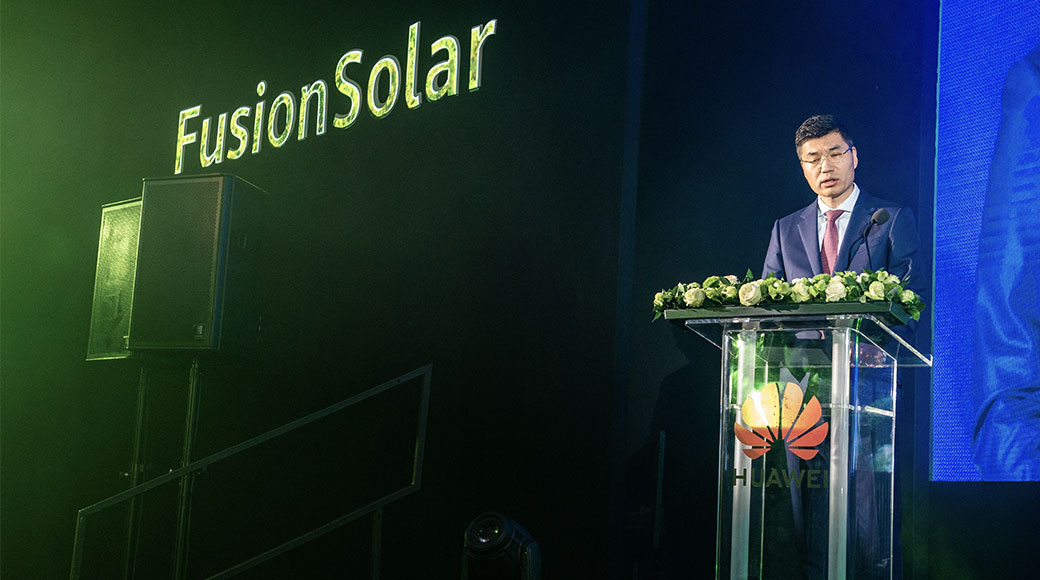
[Friday, 9 February
2024] During the Solar Power Africa conference,
which took place in Cape Town this week, one of the overarching themes was the role solar
storage solutions have to play in driving economic development across Africa. In a sub-forum at
the event, Huawei underlined the growing importance of residential solar PV in addressing South
Africa's energy needs, and how homeowners can contribute to reducing the demand on the power
grid.
While that's particularly true during
daylight hours, coupling those PV systems with effective energy storage solutions means that
they can contribute continuously. By capturing and storing renewable energy like solar power,
energy storage systems provide a backup power source for South Africa's electricity needs.
Additionally, they contribute to balancing the power grid, enhancing energy efficiency, and
reducing electricity costs.
Despite the significant potential of
energy storage systems in South Africa, safety concerns remain a focal point. These systems
involve electrical equipment and battery technology, and improper installation or maintenance
may lead to risks such as fires, electrical hazards, and even adverse environmental impacts. In
a challenging electricity environment like South Africa's, ensuring the safety of energy storage
systems is crucial for providing a reliable power supply.
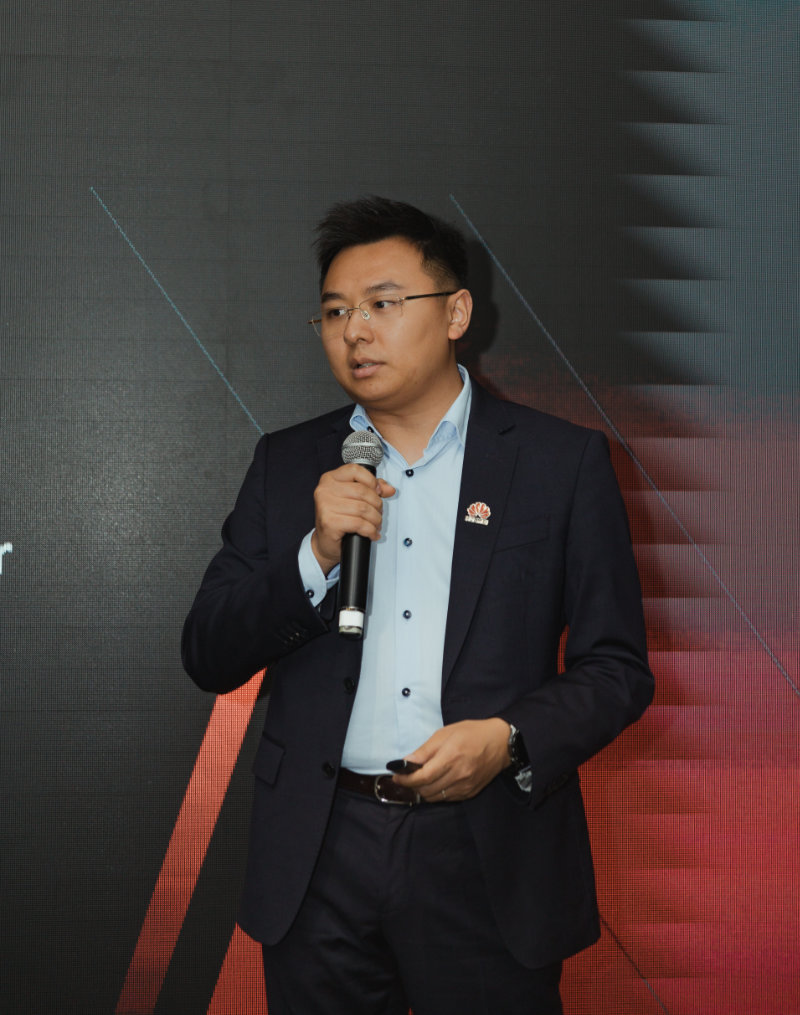
Zhao Tianqi (Tom), VP of
Huawei South Africa Digital Power
Speaking at the sub-forum, Zhao Tianqi
(Tom), VP of Huawei South Africa Digital Power addressed the energy industry's shift from
natural resources to technological innovation. This shift, he pointed out, will be especially
important as renewable energy becomes an increasingly important part of the world's energy mix.
There are, he said, three key drivers to accelerate the growth of the solar industry. These are
carbon neutrality, energy sovereignty, and commercial value.
South Africa, he said, is well
positioned to take advantage of this push, particularly with so many homes and businesses
willing to embrace solar PV technology.
“We could achieve carbon neutrality in
South Africa even faster than our estimation,” he said. “So maybe South Africa can be a champion
in this field.”
He added, however, that if this is to
happen, then the right equipment and technology will be vital. One of the most powerful
examples of how seriously Huawei takes advancing the solar PV space is the fact that it has
included a PV optimiser in its newly launched Luna 2.0 solution. This allows users of the system
to get 15% more usable energy, meaning a better return on investment for customers. The system,
also allows users to mix old and new batteries, extending the lifespan of their system and
saving them money.
He also noted, however, that it's
important for suppliers and installers to partner with OEMs that have long-term ambitions in the
country, and which pay serious attention to customer safety. These systems involve electrical
equipment and battery technology, and improper installation or maintenance may lead to risks
such as fires, electrical hazards, and even adverse environmental impacts. In a challenging
electricity environment like South Africa, ensuring the safety of energy storage systems is
crucial for providing a reliable power supply.
“Safety really matters,” he said.
“It's a matter of family, property, money, and life.”
This commitment to safety is reflected
in how Huawei has built and developed the Fusionsolar Luna 2.0 solution. Among the most
significant available safety features are shutting down the voltage to 0V in the event of an
emergency and cell level monitoring, pack level protection, structural protection, and emergency
protection, including a built-in intelligent fire suppression kit for each battery.
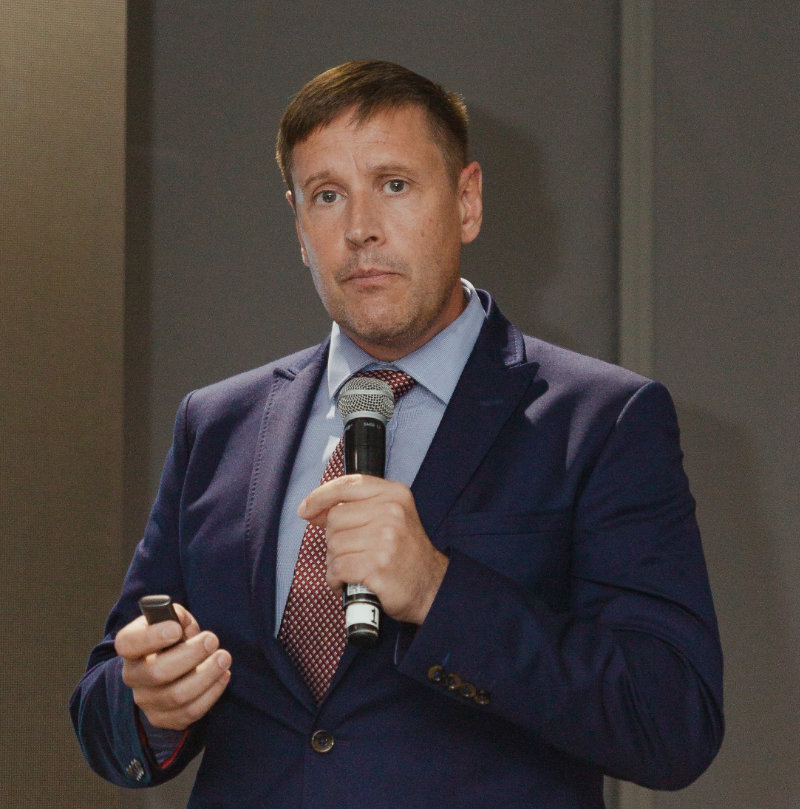
Herman Fourie, Senior
Solutions Manager, Digital Power South Africa
As Herman Fourie, Senior Solutions
Manager, Digital Power South Africa pointed out, a large reason why Huawei's able to offer these
additional protections to its customers is because of its commitment to high-quality engineering
talent wherever it operates.
Beyond engineering he said, “Huawei
has baked safety into the aesthetic design of the Fusionsolar Luna 2.0 solution, most notably by
excluding features that wear easily, such as buttons and LCD screens. It also offers a full
10-year replacement guarantee on all parts within the system.”
Fourie added that this commitment to
engineering and design excellence is visible across the entire Huawei Digital Power product
line, including its commercial and industrial (C&I) offerings.
“We offer a wide range of ESS
solutions ranging from PowerS to Luna to our Luna 1MW and 2MW blocks,” he said. “These solutions
are again based on our modular approach with which we can build up to hundreds of megawatts in
our large ESS solutions.”
He added that Huawei's unique Smart
String energy storage solutions, meanwhile, allow for, “independent control of battery packs,
more safety, longer life, more usable energy, and simplified operation and maintenance.

De Wet Englebrecht,
experienced firefighter and CEO of Fire Ops SA
As De Wet Englebrecht, an experienced
firefighter and CEO of Fire Ops SA pointed out, this focus on safety is critical as solar PV
installations come with fire risks, both from the panels themselves and from the batteries.
“As firefighters, we've certainly seen
an increase in residential fires in South Africa,” he said. “We are dispatched to between two
and four fires on a daily basis. On average, every sixth one of those is solar
related.”
The fire suppression on the Luna 2.0
solution, he added, could go a long way in preventing and mitigating these kinds of fires.
“Another statistic that we've seen is
that usually, these kinds of residential fires happen at 2 or 3 a.m. in the morning when you and
your loved ones are fast asleep,” he said. “With the fire suppression system that Huawei has
revolutionized the industry with, it actually suppresses the fire within the battery
compartment.”
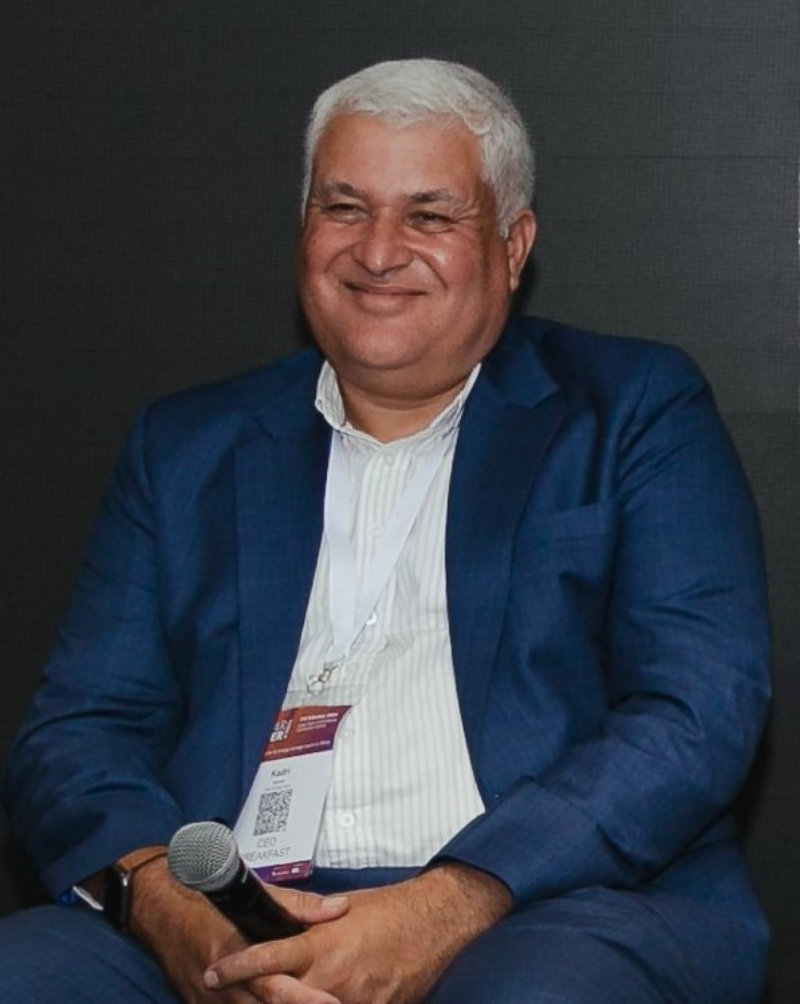
Kadri Nassiep, Executive
Director (Energy) at City of Cape Town
In Engelbrecht’s experience, this is
unique within the industry. But fire safety isn't the only issue that comes with energy storage
solutions. As Kadri Nassiep, Executive Director (Energy) at City of Cape Town pointed out, they
can also cause grid issues. In particular, he said, “the instant charging of inverter batteries
when the power comes back on after a period of load shedding can destabilise the grid in
secondary trips in the city's electricity system.”
“We'd like to work together with
partners like Huawei and others to come up with batteries and inverters that are better designed
and allow for more gradual phasing of charging once power is restored.”
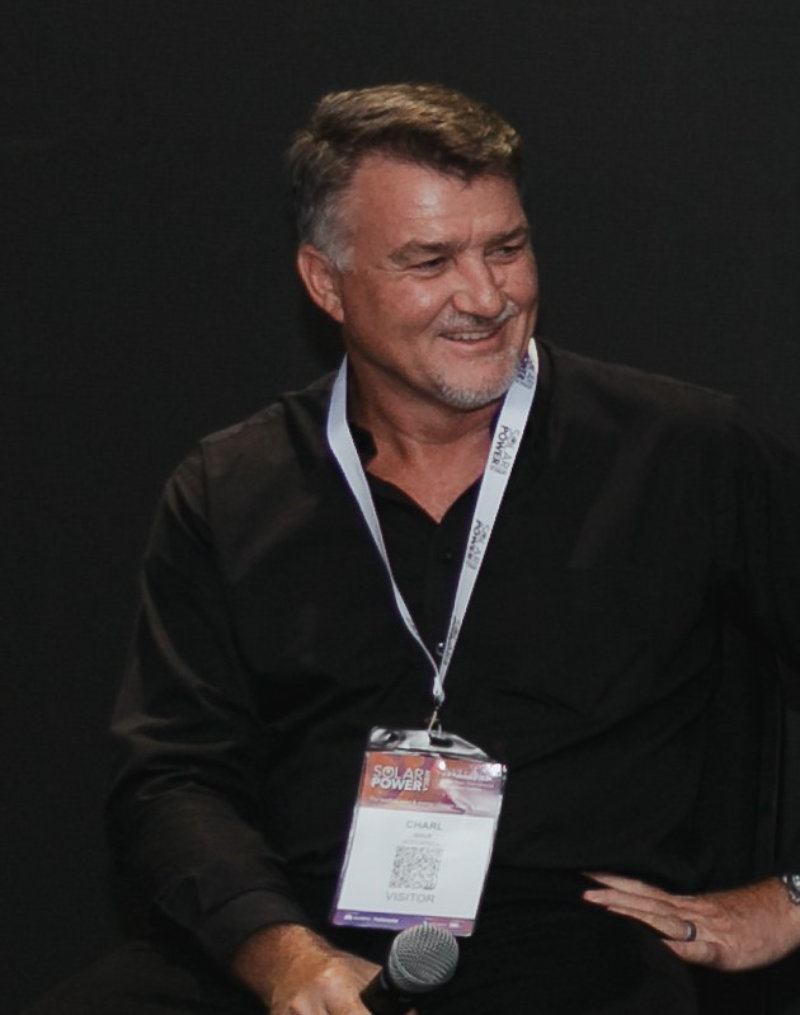
Charl Gous, CEO of
renewable energy specialist Aces Africa
According to Charl Gous, CEO of
renewable energy specialist Aces Africa, dealers and installers also have a role to play in
ensuring that their customers have the best possible solutions for their homes and for the grid.
“One of the biggest problems that we
have at the moment is that the South African market has always been driven by price,” he said.
“So, what people will do is mix and match a battery with an inverter to try and bring down the
price.”
This, he added, comes with significant
risks and creates issues of accountability.
“We believe that you have to have one
accountable person or company at the end of the day,” he said. “So, when you are selecting a
product that you are using, if you have one organisation like Huawei, there is one entity that
you are holding responsible. You know that they are providing a product that is tested as a unit
and also you know that you have someone to hold accountable over the long run,” concluded Gous.
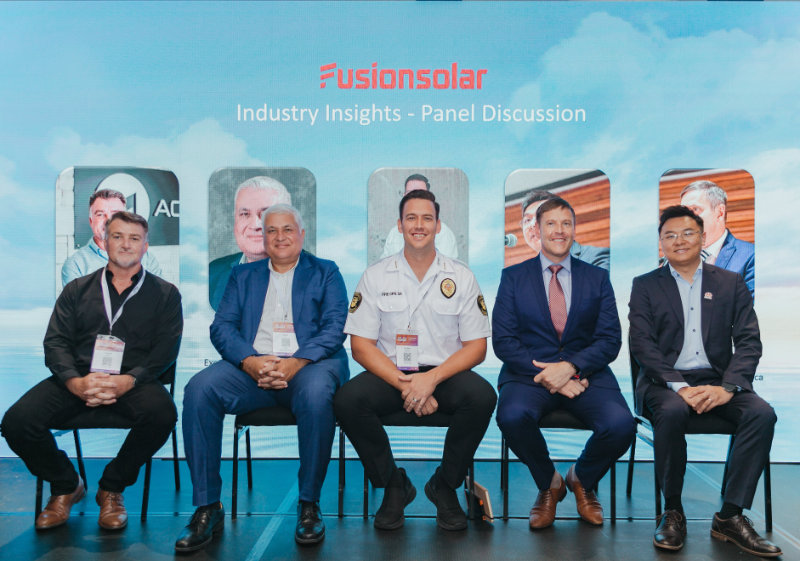
The Fusionsolar Residential
Luna 2.0 Solution will be available to trade partners and installers from March 2024.