Lithium-ion batteries are an industry standard for mobile power sources.Electric toothbrushes, mobile phones, and electric vehicles all rely on lithium-ion batteries. Lithium-ion batteries are the energy heart of modern life.What is a lithium-ion battery? How does it work? How to charge lithium ion battery?These are questions that many people are confused about, and the following lithium-ion battery charging guide will answer these questions one by one.
What Are Lithium-Ion Batteries and How Do They Work?
Lithium-ion batteries are rechargeable energy storage devices, with their basic components comprising a positive electrode, a negative electrode, an electrolyte, and a separator.
Their working principle relies on the reciprocal migration of lithium ions between the positive and negative electrodes to enable the mutual conversion of chemical energy and electrical energy, thereby completing the charge-discharge process.
● Discharging: Lithium ions displace from the anode, migrate through the electrolyte to the cathode, and are embedded in the cathode, while electrons flow from the anode to the cathode through the external circuit, releasing electrical energy.
● Charging: Under the action of an external electric field, the movement direction of lithium ions is opposite to that during discharge: they displace from the cathode, migrate through the electrolyte to the anode, and are embedded in the crystal lattice of the anode material (such as graphite interlayer). In this process, lithium ions store energy in the chemical bonds of the anode material (such the layered structure of graphite) and prepare for the next discharge.
Lithium-ion batteries have a high energy density and can provide more power in a smaller, lighter packages.
How to Charge a Lithium Ion Battery?
After understanding lithium-ion batteries and their working principles, scientifically learning how to charge a lithium-ion battery is crucial for maximizing battery performance.
Use the Appropriate Charger
Lithium-ion batteries require more precise and complex control strategies. In addition to basic voltage, current, and temperature monitoring, multiple aspects must be considered, such as the battery's State of Charge (SOC), State of Health (SOH), and State of Power (SOP).
Therefore, it is recommended to use the charger provided by the device manufacturer or select the appropriate charger according to the device specifications.
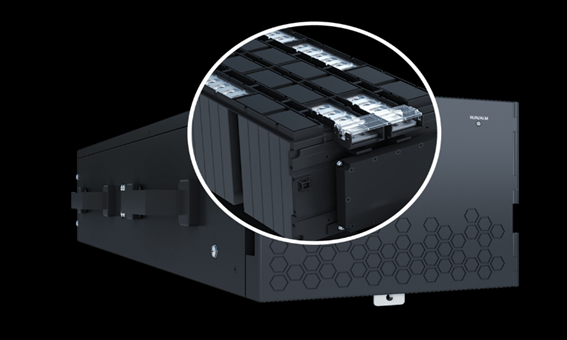
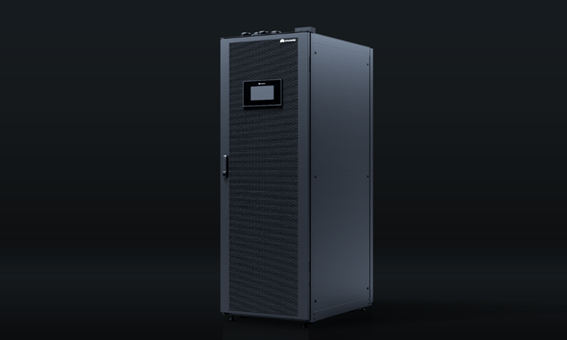
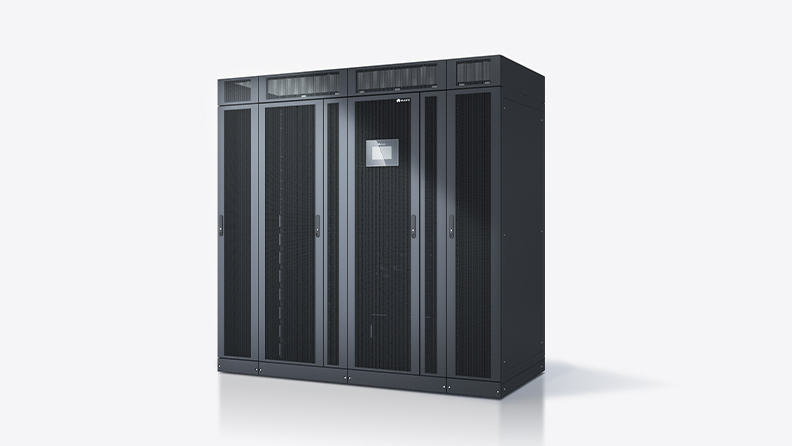
Of course, charging strategies for lithium-ion batteries vary across different application scenarios. Take data centers as an example: Huawei SmartLi work seamlessly with Uninterruptible Power Supply (UPS) to provide continuous power for IT equipment. In the event of a sudden power outage, the lithium-ion battery can supply backup power for up to 15 minutes. Once normal power is restored, the lithium battery recharges via the UPS, ensuring stable operation and reliable performance.
How to charge a lithium ion battery without charger?
When there is no charger available, you can try the following methods to charge a lithium-ion battery:
● Solar Chargers: A method of converting solar energy into electrical energy to charge lithium-ion batteries.
● USB Charging:Users can connect their devices to a computer, laptop, or USB wall charger to effectively charge lithium-ion batteries.
● Power Banks:Also known as portable chargers, they can store electrical energy and charge lithium-ion batteries anytime and anywhere.
Safety Precautions for Charging Lithium-Ion Batteries
Scientifically understanding how to charge a lithium-ion battery without a charger, along with safe and reliable choices for lithium-ion batteries, requires special attention to the following aspects:
1. Choose qualified lithium battery products
Lithium battery products are closely linked to safety and performance. When making a selection, pay attention to the following aspects:
l Cell Material:Lithium iron phosphate (LFP) is known as the "safety champion" due to its strong thermal stability and long cycle life.
l Certification Marks:International certification marks can indirectly reflect the safety and reliability of the battery.
l Process and Design Details:Shells made of fireproof and explosion-proof materials can reduce safety risks.
Huawei SmartLi features high-consistency LFP cells that do not catch fire in case of puncture, ensuring high reliability. It also provides real-time current leakage detection, accurately identify faults and eliminate potential risks within milliseconds. Additionally, it is equipped with multi-level BMS protection, actively isolating risks such as overtemperature, overvoltage, overcurrent, and undervoltage.
2. Avoid Overcharging
Overcharging refers to the situation where a lithium battery continues to be charged after its actual State of Charge (SOC) exceeds the set protection threshold (such as 95%), or when the charging voltage of the battery pack exceeds the cut-off voltage. This can lead to a large accumulation of heat inside the battery cells, a gradual increase in battery voltage, and ultimately cause phenomena such as battery swelling and fire.
3. Optimal Charging Levels
When the charge level of a lithium-ion battery is too high or too low, the structure of the positive and negative electrode materials is prone to change, leading to irreversible capacity loss. The optimal charging level for lithium-ion batteries is between 20% and 80%. Charging within this range can effectively reduce the battery's aging rate, allowing it to maintain good performance for a long time. Additionally, the charging speed within this range is relatively fast.
4. Avoid Frequent Full Discharges
Full discharge refers to using up the battery's power to the extreme until it can hardly output electrical energy. This poses a severe test for the battery. Over-discharging may cause metallic lithium dendrites to form on the surface of the negative electrode. These dendrites can pierce the separator, leading to internal short circuits in the battery. This not only significantly reduces the battery's endurance but, more seriously, poses a huge threat to the battery's safety.
How long does it take to charge lithium ion battery?
The charging time required for lithium-ion batteries is influenced by multiple factors:
● Battery Capacity
● Charger Output
● State of Charge (SOC)
● Battery Age and Condition
● Temperature
● Charging Method (Fast Charging vs Standard Charging)
These factors may interact in complex ways, leading to varying charging times under different conditions. Understanding each influence helps optimize the charging process and reduce potential issues.
Conclusion
Lightweight, eco-friendly, fast-charging, and long-cycle lithium-ion batteries are not only the "heart" of modern technology but also leading a green energy revolution.
This guide covers core questions such as how to charge lithium ion battery, how to charge a lithium ion without charger, and how long does it take to charge lithium ion battery. It helps you gain a comprehensive understanding of and use lithium-ion batteries scientifically, injecting continuous and reliable power support into your life and work.
FAQs
What's the best way to charge lithium-ion batteries?
It is recommended to start charging the lithium-ion battery when the remaining power is in the 20%-80% range. Use the original charger provided by the manufacturer or a compatible charger that meets the specifications, and unplug it promptly after fully charged. Additionally, it is advisable to maintain the full charge voltage slightly below the specified threshold to ensure the battery remains in a "healthy" state at all times.
How to extend the service life of lithium-ion batteries?
Avoid overcharging and over-discharging, maintain an appropriate charging temperature, use the original charger, and practice shallow charging and discharging regularly. These steps can help extend the service life of lithium-ion batteries.
Can lithium-ion batteries be replaced when they run out of power?
Lithium-ion batteries can usually be replaced once they run out of power. If it is a removable battery, you can purchase a suitable replacement and replace it yourself. If it is a non-removable battery, you’ll generally need to have it replaced by a professional or return it to the factory.
How to charge the lithium-ion battery when it's low power?
When the lithium-ion battery has a low charge, use the original or a suitable charger. Charge it in an appropriate environmental temperature (0℃-45℃) using the constant current-constant voltage method, and avoid overcharging or over-discharging.
Disclaimer: Any views and/or opinions expressed in this post by individual authors or contributors are their personal views and/or opinions and do not necessarily reflect the views and/or opinions of Huawei Technologies.