At present,, electric car travel has become an irreversible global trend.In the process of using electric vehicles, such questions as How much electricity to charge an electric car, Where it can be charged,and how to charge quickly have become the focus of attention.Below, we will specifically answer these questions one by one.
How much electricity to charge an electric car?
How much electricity does an electric car use to charge?The amount of electricity consumed to charge an electric car is affected by many factors, including different vehicle models, battery capacities, driving habits, and driving road conditions.
Electricity Consumption for Charging Electric Cars by Class
Due to the difference in battery capacity, the charging amount will also be different between different models. According to the vehicle category, electric vehicles can be divided into A0, A, B, C, and D-class electric vehicles.
● A0 electric cars
They are known for their compact and flexible body designs.Typically, their comprehensive working condition cruising range is approximately 300–400 km. Under ideal charging conditions, it takes about 30–40 kWh of electricity to charge from 0% to 100%.
● A-class electric cars:
They have an increase in size and space. The comprehensive cruising range of an ordinary A-class electric vehicle can reach 400–600 km. It takes about 40 –60 kWh of electricity to fully charge it.
● B-class electric cars:
They are positioned as mid-sized cars and are often used as the main family vehicles or for business trips. The battery capacities of these models are usually in the range of 60–80 kWh, and their comprehensive cruising range can reach 500–700 km. The amount of electricity required to fully charge is 60–80 kWh.
● C-class electric cars:
They belong to mid-sized to large-sized cars, and the overall mileage can reach 600-800 kilometers or even higher, which requires more than 80–100 kWh of electricity to fully charge.
● D-class electric cars
As representatives of flagship luxury models, they have a combined cycle driving range of 700-900 kilometers, and it requires more than 100 kilowatt-hours of electricity to fully charge them.
Charging Electricity Requirements for Different Types of Electric Cars Vary Significantly
In addition to the vehicle class, the current electric vehicle market is also divided into sedan, SUV, and MPV, among which there are extremely significant differences in their charging power requirements.
● Sedan electric cars
For an ordinary-sized electric sedan with a battery capacity of 60 kWh and a cruising range of about 500 km under standard working conditions, about 60 kWh of electricity is needed to fully charge it.
● SUV electric cars
For a mid-sized SUV electric car with a battery capacity of 80 kWh and a cruising range of about 450–550 km, the charging requirement is approximately 80 kWh of electricity.
● MPV electric cars
Due to their larger body size and weight, their power consumption is higher. For an electric MPV with a typical battery capacity of 90 kWh and a cruising range of about 400–500 km, it takes about 90 kWh of electricity to fully charge.
Where can Electric Cars be Charged?
Where electric vehicles can be charged is also a concern for car owners.Next, let’s explore the charging methods for electric cars and examine how these methods differ across specific locations, such as at home and in public areas.
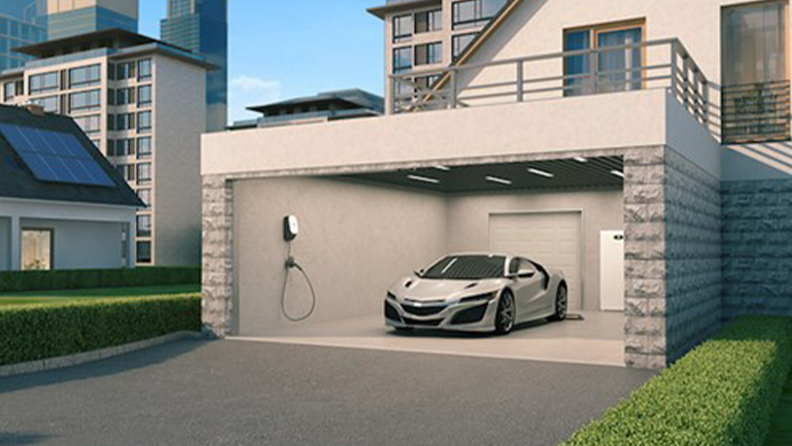
Charging at home
Charging at home is a convenient option for electric car owners, allowing flexible scheduling of charging times. Using a standard household power socket (typically 2 kW) is straightforward, though charging speeds are relatively slow.
For example, a 60 kWh EV battery may require 10–12 hours to charge from 0% to 100%.
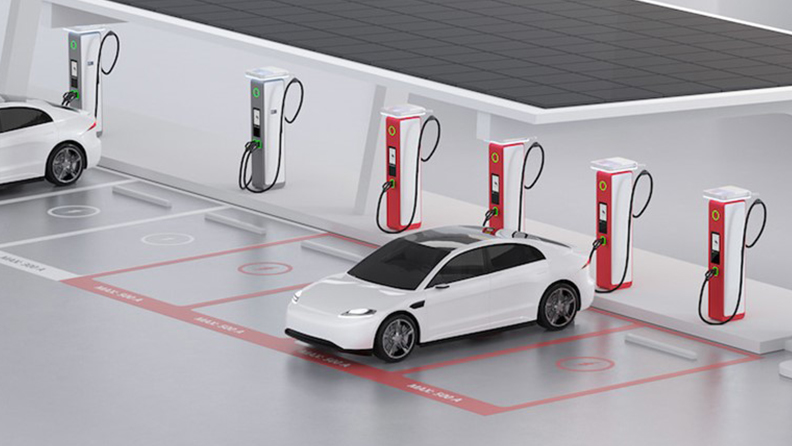
Charging at public charging stations
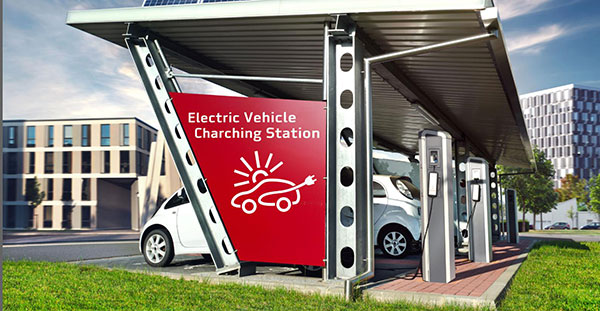
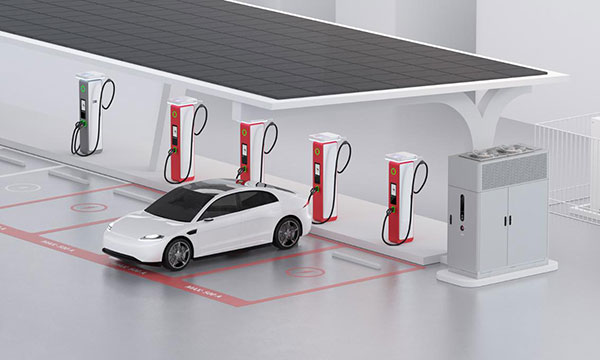
When you drive an electric vehicle on a long journey or when there is no charging condition at home, public charging stations become timely “energy replenishment stations”.
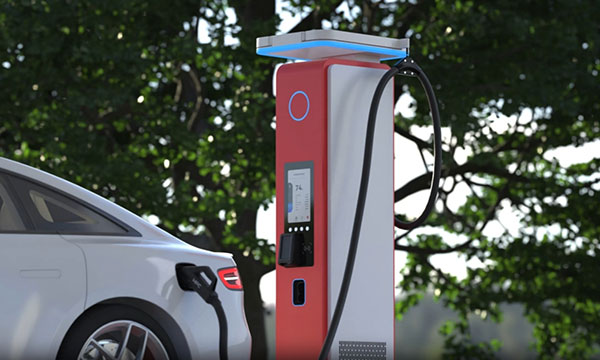
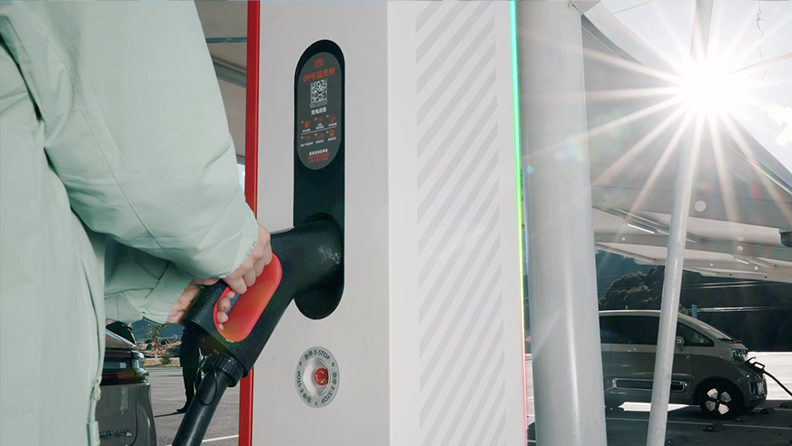
In order to better solve the problem of mileage anxiety, some public charging stations are also equipped with ultra-fast charging equipment. For instance, stations featuring Huawei FusionCharge Liquid-Cooled Ultra-Fast Charging terminals deliver currents up to 500A, significantly accelerating charging speeds. Vehicles can be charged and ready to drive almost instantly, achieving an “extreme fast-charging experience of one kilometer per second.” Additionally, Huawei FusionCharge Liquid-Cooled Ultra-Fast Charging technology is compatible with all vehicle models.
The success rate of charging with one plug-in is as high as 99%. It has a quiet charging experience with noise less than 50dB(A)*, and users can enjoy a quiet environment while charging. Additionally, the liquid - cooled system extends the lifespan to over 10 years, with an annual module failure rate of less than 0.5%*.
Conclusion
Understanding how much electricity an electric car uses to charge and the significant differences in charging power requirements among different electric cars can help everyone make more informed decisions when choosing an electric vehicle that best suits their own driving habits and energy consumption expectations. At the same time, knowing where to charge an electric car can also help solve the problem of energy replenishment for electric car and lead car owners to start a more comfortable electric travel life.
*The data are from laboratory. In actual use, the data may vary due to different vehicle models, software versions, operating conditions and environmental factors. The actual use shall prevail.
*The dispenser noise is less than 50dB(A)@25°C at 1m. The data is based on theoretical values obtained by Huawei internal labs through tests carried out under specific conditions. Actual performance may vary due to differences between software versions, usage conditions, and environmental factors. All data is subject to actual usage.
Disclaimer: Any views and/or opinions expressed in this post by individual authors or contributors are their personal views and/or opinions and do not necessarily reflect the views and/or opinions of Huawei Technologies.