[Johannesburg, South Africa, 25
January 2024] Huawei, leading global vendor of digital power products and solutions, underlined
the importance of energy storage and safety for residential Solar PV systems during the launch
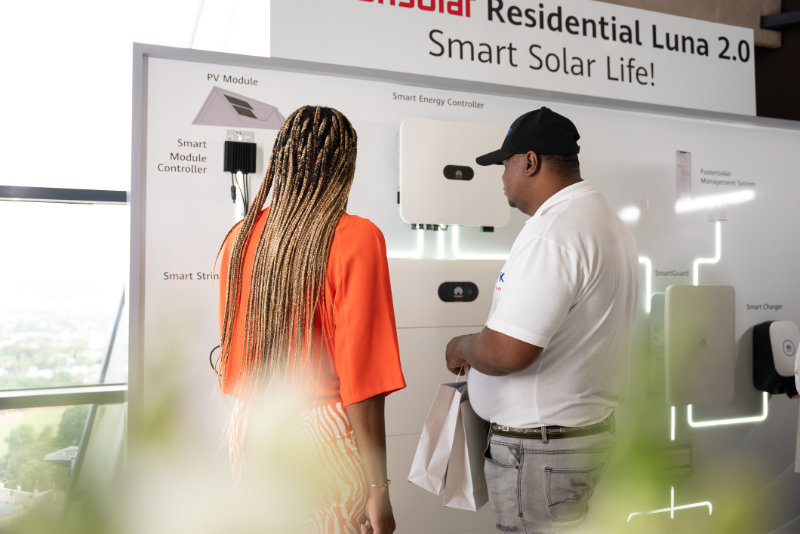
of its Fusionsolar Residential Luna 2.0 Smart PV solution into the South African market. The
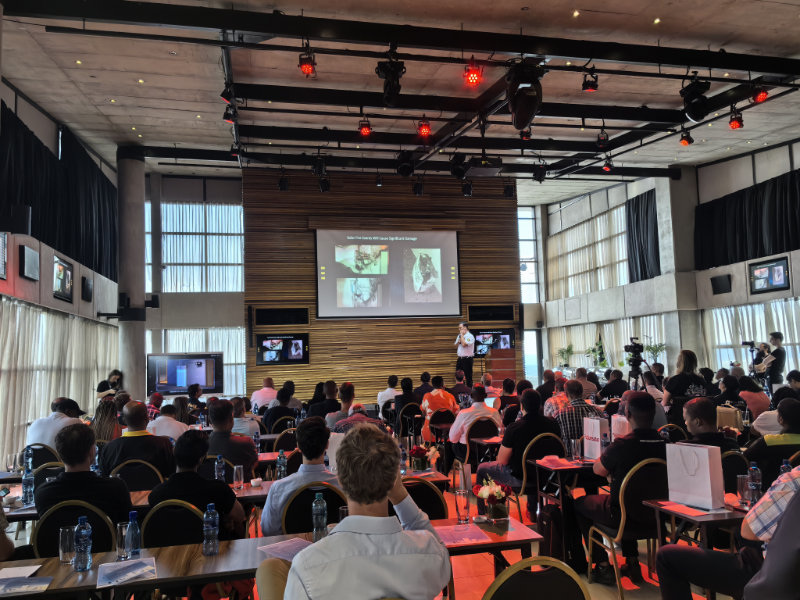
launch, which took place in Sandton, highlighted the growing importance of residential solar PV
in addressing South Africa’s energy needs, while also showcasing its superior safety measures
and their importance.
Energy storage systems in particular
have become increasingly vital in addressing the challenges of an unstable power grid and
frequent power outages. The country faces issues of electricity shortages and an unstable power
supply, posing a threat to the normal functioning of households and businesses. Energy storage
systems, by capturing and storing renewable energy like solar power, provide a backup power
source for South Africa's electricity needs. Additionally, they contribute to balancing the
power grid, enhancing energy efficiency, and reducing electricity costs.
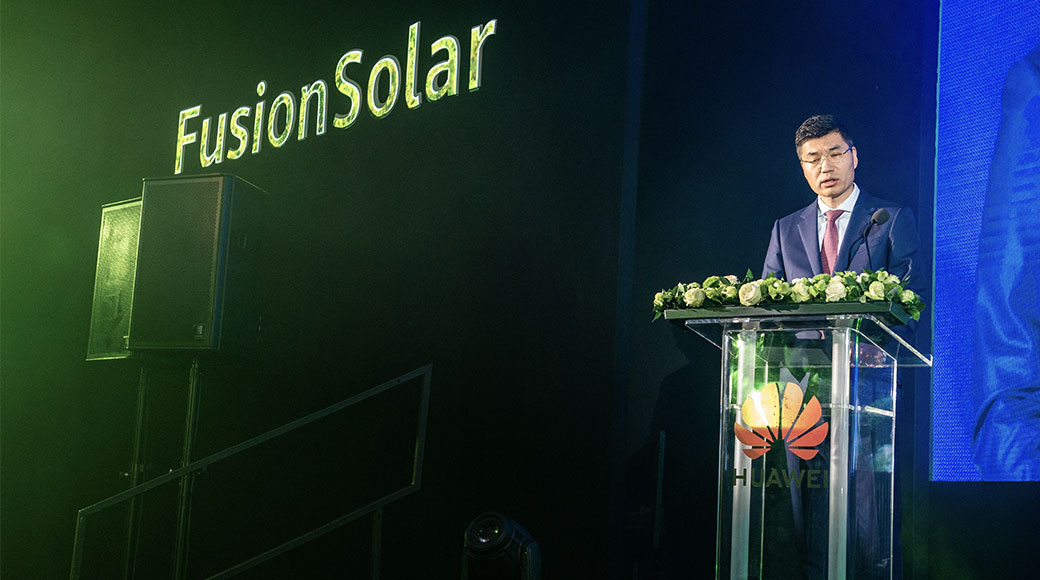
Speaking at the launch, Zhao Tianqi
(Tom), VP, of Huawei Digital Power South Africa spoke about the energy industry’s shift from
natural resources to technological innovation. This shift, he pointed out, will be especially
important as renewable energy becomes an increasingly important part of the world’s energy mix.
He called on both existing and potential partners, to join Huawei in its long-term vision of
making green energy accessible for all South Africans.
“Huawei is the main player to combine
electricity technology and digital technology to enable renewable energy,” he said. “And
nowadays, solar energy is more and more important to renewable energy.”

Zhao Tianqi (Tom), VP, of Huawei Digital Power South
Africa
There are, he added, three key drivers
to accelerate the growth of the solar industry. These are carbon neutrality, energy sovereignty,
and commercial value. He also noted, however, that it’s important for suppliers and installers
to partner with OEMs that have long-term ambitions in the country and which pay serious
attention to customer safety.
That’s because, despite the
significant potential of energy storage systems in South Africa, safety concerns remain a focal
point. These systems involve electrical equipment and battery technology, and improper
installation or maintenance may lead to risks such as fires, electrical hazards, and even
adverse environmental impacts. In a challenging electricity environment like South Africa,
ensuring the safety of energy storage systems is crucial for providing a reliable power
supply.
“For residential products when
installed in a household, safety is a matter of family, property, life, and also the reputation
of your business,” he said. “Any fire impact will bring damage to the household and also to your
business’s reputation.”
As Nick Lusson, Vice President of
Huawei Digital Power East Africa stated, the risk of fire is real and serious too.
He disclosed that the Smart PV
solution offers stable and reliable power while supporting seamless on-grid/off-grid switchover.
He explained further that the product launched in South Africa is built in line with global
standards, adding that it is built with high aesthetic innovation, leading intelligence, and is
extremely safe to use. Lusson said the solar solution is a one-stop solution that is reliable
and easy to install with a 10-year replacement warranty.
He added, “There are two main concerns
when it comes to solar installations: there are rooftop fires and there are battery fires,” he
said, pointing out that the latter are extremely difficult to put out.
This was backed up by De Wet
Engelbrecht, an experienced firefighter and CEO of Fire OPs SA, who told attendees that every
fourth fire callout the department attends is related to a solar installation. He also noted
that the department had seen a significant increase in solar PV-related fires since 2020.
“This is because of poor
installations, poor management, and low-quality equipment,” he said.
It’s for that reason that Huawei has
included several fire safety features in its Luna 2.0 product, including shutting down the
voltage to 0V in the event of an emergency and cell level monitoring, pack level protection,
structural protection, and emergency protection, including a built-in intelligent fire
suppression kit for each battery.
The intelligence and monitoring
features baked into Luna 2.0, Engelbrecht said, are particularly important when it comes to fire
safety.
“Early detection is early activation,”
he said. “The quicker we know about the problem, the quicker the wheels can turn and the quicker
everyone can do what they have to do and hopefully save the day. What Huawei has done is take
this responsibility on themselves and said, ‘We will monitor that for you’.”

De Wet Engelbrecht, CEO of
Fire OPs SA, Nick Lusson, VP Huawei Digital Power East Africa, Zhao Tianqi (Tom), VP, of Huawei
Digital Power South Africa
Fire isn’t the only safety risk when
it comes to energy storage systems. Electromagnetic radiation levels, if not properly controlled
for can be extremely dangerous, which is why Huawei Digital Power incorporates Electromagnetic
Compatibility (EMC) safety into photovoltaic products. EMC ensures that photovoltaic products
can operate efficiently in South Africa’s unstable power supply and intricate electromagnetic
landscape.
According to David Neale, CEO of solar
installer Metrowatt, “These energy storage and safety innovations mean that the Luna 2.0 system
is ideal not just for residential purposes but also for small businesses with similar energy
usage profiles to residences.” He added that the quality of Huawei’s digital power solutions is
important for a business like Metrowatt.
“A big part of our business is
rental,” he said. “That means we own the equipment. It’s a long-term play and we only really
start making money five or ten years down the line and we need an OEM partner that will go with
us on that journey.”
Kevin Burns, a senior PV engineer and
Huawei Luna 2.0 customer pointed out that some of the biggest advantages it has over previous
systems are the inclusion of consumption data, which is particularly important during load
shedding, and its ability to instantly switch over to backup power.
“You’ve got a very happy end-user,
Huawei,” he said. “All my challenges have been resolved.”
Huawei Luna 2.0 will be available to
dealers, trade partners, and installers from March 2024.