Asia Pacific
Europe
Latin America
Middle East & Africa
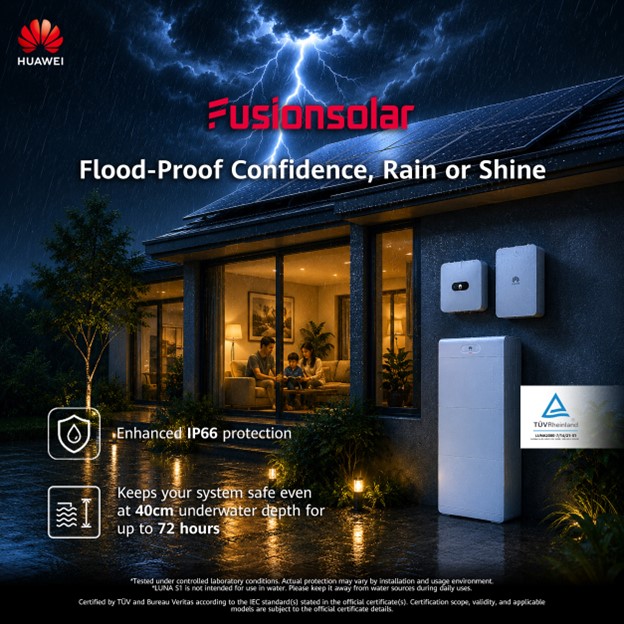
When selecting a solar inverter, battery, or photovoltaic (PV) module, customers often notice a TÜV certification mark on the product datasheet. While many recognize the logo, fewer understand its significance and the value it brings to solar projects.

What is TÜV Certification?
TÜV stands for "Technischer Überwachungsverein" (Technical Inspection Association), an independent testing and certification organization originating from Germany. TÜV organizations, such as TÜV Rheinland and TÜV SÜD, are globally recognized for evaluating product safety, quality, reliability, and compliance with international standards.
In the solar industry, TÜV certification demonstrates that a product has undergone rigorous third-party testing and meets relevant international standards for performance and safety. It provides confidence to installers, investors, utilities, and end users that the equipment will operate reliably throughout its lifecycle.
Why is TÜV Certification Important for Solar Products?
1. Verified Safety

Solar systems operate under high voltage and challenging environmental conditions. TÜV-certified products are tested to ensure protection against electrical hazards, fire risks, insulation failures, and other safety concerns. For solar inverters, testing commonly includes compliance with standards such as IEC 62109.
2. Proven Reliability


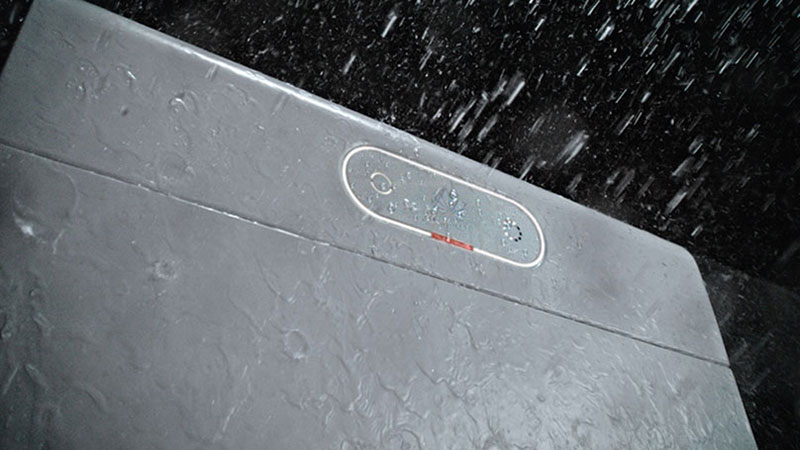
Certification testing simulates real-world operating conditions, including:
* High and low temperatures
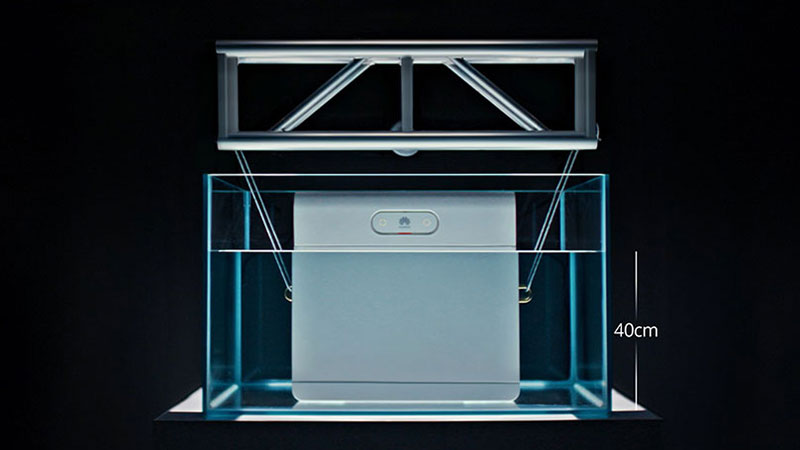
* Humidity and moisture exposure
* Mechanical stress
* Long-term aging
* Electrical performance verification
These tests help ensure products maintain stable operation over many years.
3. Compliance with International Standards

TÜV certification is typically based on internationally recognized IEC standards. For photovoltaic modules, key standards include:
* IEC 61215 – Performance and durability testing
* IEC 61730 – Safety qualification
For inverters, standards such as IEC 62109 and various grid compliance requirements are commonly assessed.
4. Easier Market Access
Many countries, utilities, financiers, and project developers require certified equipment before approval or procurement. TÜV certification helps manufacturers demonstrate compliance and accelerate entry into global markets.
What Does TÜV Certification Mean for Installers and Customers?

For installers, TÜV-certified products reduce project risk and simplify customer communication.
For homeowners and businesses, TÜV certification provides assurance that the selected equipment has been independently tested rather than relying solely on manufacturer claims.
In short, TÜV certification serves as a trusted benchmark for:
* Safety
* Quality
* Reliability
* Long-term performance
* International compliance

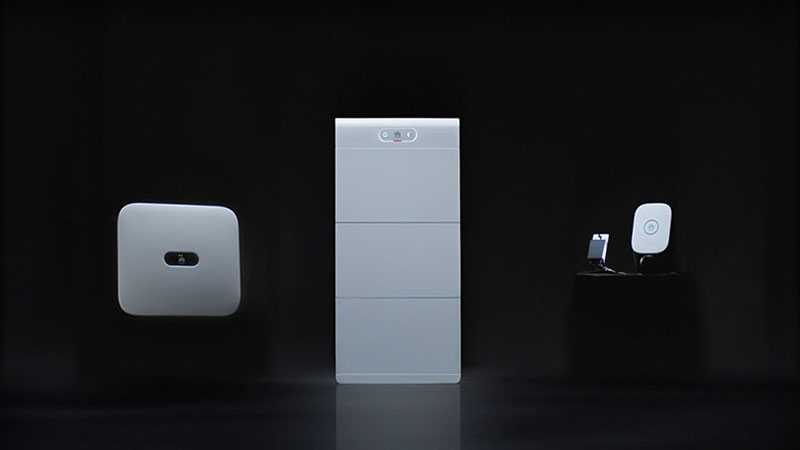
At Huawei Digital Power, product quality and reliability are fundamental design principles. Huawei's solar inverters, energy storage systems, and smart energy solutions undergo comprehensive testing and certification processes to comply with global standards and market requirements.
By combining advanced technology with internationally recognized certifications, Huawei helps customers build safer, smarter, and more reliable energy systems for homes, businesses, and utilities worldwide.
Conclusion
TÜV certification is more than just a logo on a datasheet. It represents independent verification that a solar product meets rigorous standards for safety, performance, and reliability.
When evaluating solar equipment, choosing TÜV-certified products is an important step toward ensuring long-term system performance and protecting your investment.

When selecting a solar inverter, battery, or photovoltaic (PV) module, customers often notice a TÜV certification mark on the product datasheet. While many recognize the logo, fewer understand its significance and the value it brings to solar projects.

What is TÜV Certification?
TÜV stands for "Technischer Überwachungsverein" (Technical Inspection Association), an independent testing and certification organization originating from Germany. TÜV organizations, such as TÜV Rheinland and TÜV SÜD, are globally recognized for evaluating product safety, quality, reliability, and compliance with international standards.
In the solar industry, TÜV certification demonstrates that a product has undergone rigorous third-party testing and meets relevant international standards for performance and safety. It provides confidence to installers, investors, utilities, and end users that the equipment will operate reliably throughout its lifecycle.
Why is TÜV Certification Important for Solar Products?
1. Verified Safety

Solar systems operate under high voltage and challenging environmental conditions. TÜV-certified products are tested to ensure protection against electrical hazards, fire risks, insulation failures, and other safety concerns. For solar inverters, testing commonly includes compliance with standards such as IEC 62109.
2. Proven Reliability


Certification testing simulates real-world operating conditions, including:
* High and low temperatures
* Humidity and moisture exposure
* Mechanical stress
* Long-term aging
* Electrical performance verification
These tests help ensure products maintain stable operation over many years.
3. Compliance with International Standards

TÜV certification is typically based on internationally recognized IEC standards. For photovoltaic modules, key standards include:
* IEC 61215 – Performance and durability testing
* IEC 61730 – Safety qualification
For inverters, standards such as IEC 62109 and various grid compliance requirements are commonly assessed.
4. Easier Market Access
Many countries, utilities, financiers, and project developers require certified equipment before approval or procurement. TÜV certification helps manufacturers demonstrate compliance and accelerate entry into global markets.
What Does TÜV Certification Mean for Installers and Customers?

For installers, TÜV-certified products reduce project risk and simplify customer communication.
For homeowners and businesses, TÜV certification provides assurance that the selected equipment has been independently tested rather than relying solely on manufacturer claims.
In short, TÜV certification serves as a trusted benchmark for:
* Safety
* Quality
* Reliability
* Long-term performance
* International compliance

At Huawei Digital Power, product quality and reliability are fundamental design principles. Huawei's solar inverters, energy storage systems, and smart energy solutions undergo comprehensive testing and certification processes to comply with global standards and market requirements.
By combining advanced technology with internationally recognized certifications, Huawei helps customers build safer, smarter, and more reliable energy systems for homes, businesses, and utilities worldwide.
Conclusion
TÜV certification is more than just a logo on a datasheet. It represents independent verification that a solar product meets rigorous standards for safety, performance, and reliability.
When evaluating solar equipment, choosing TÜV-certified products is an important step toward ensuring long-term system performance and protecting your investment.