






All-Scenario Grid-Forming Technology: Accelerating High-Quality Energy Development and Bridging the Global Energy Divide
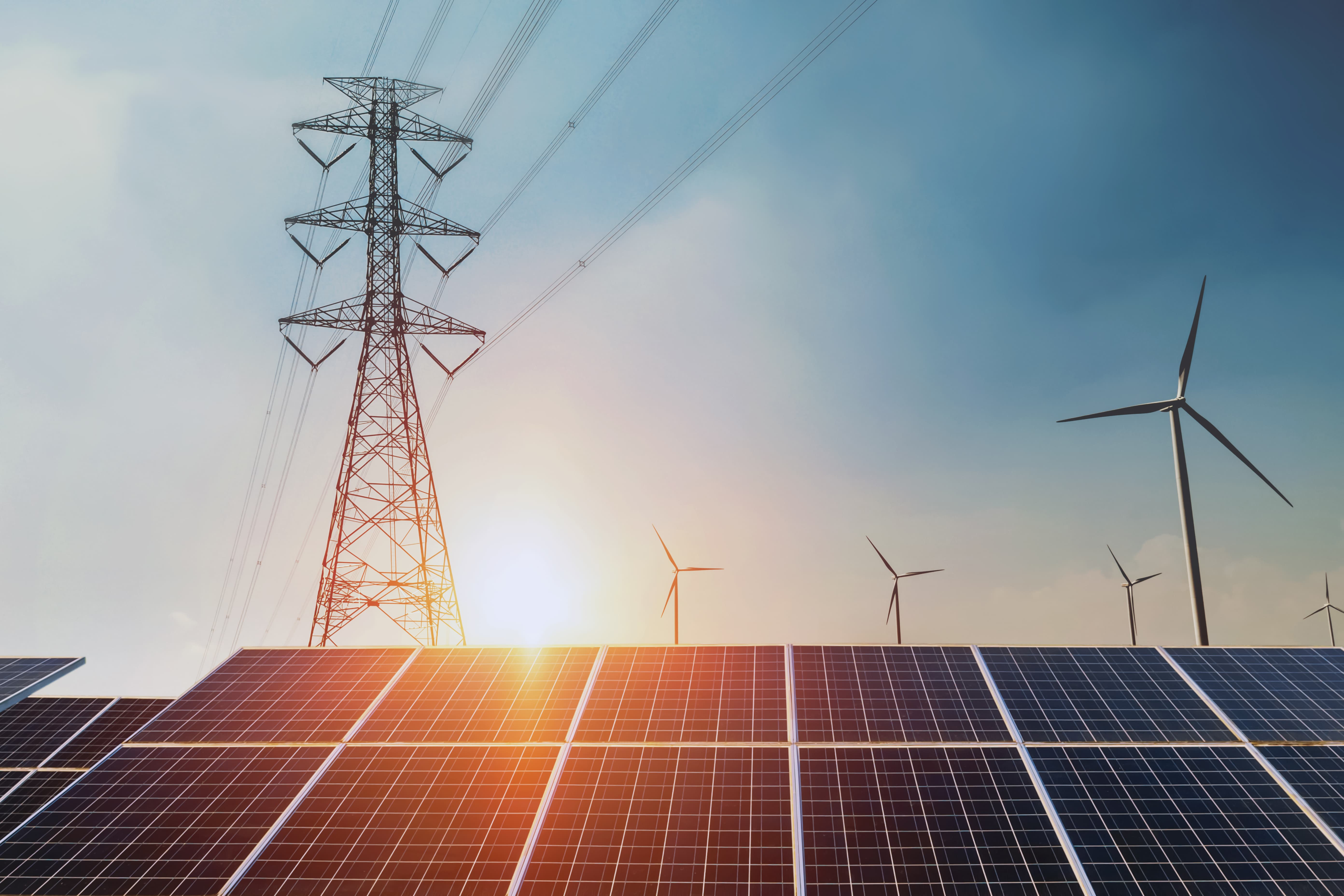
As night falls, it is a stark reminder that hundreds of millions of people worldwide still endure unstable power grids or even live without electricity. Concurrently, wind and photovoltaic (PV) power are rapidly transforming the global energy landscape. The central challenge in this transformation lies in deploying renewable energy with guaranteed stability and equitable access.
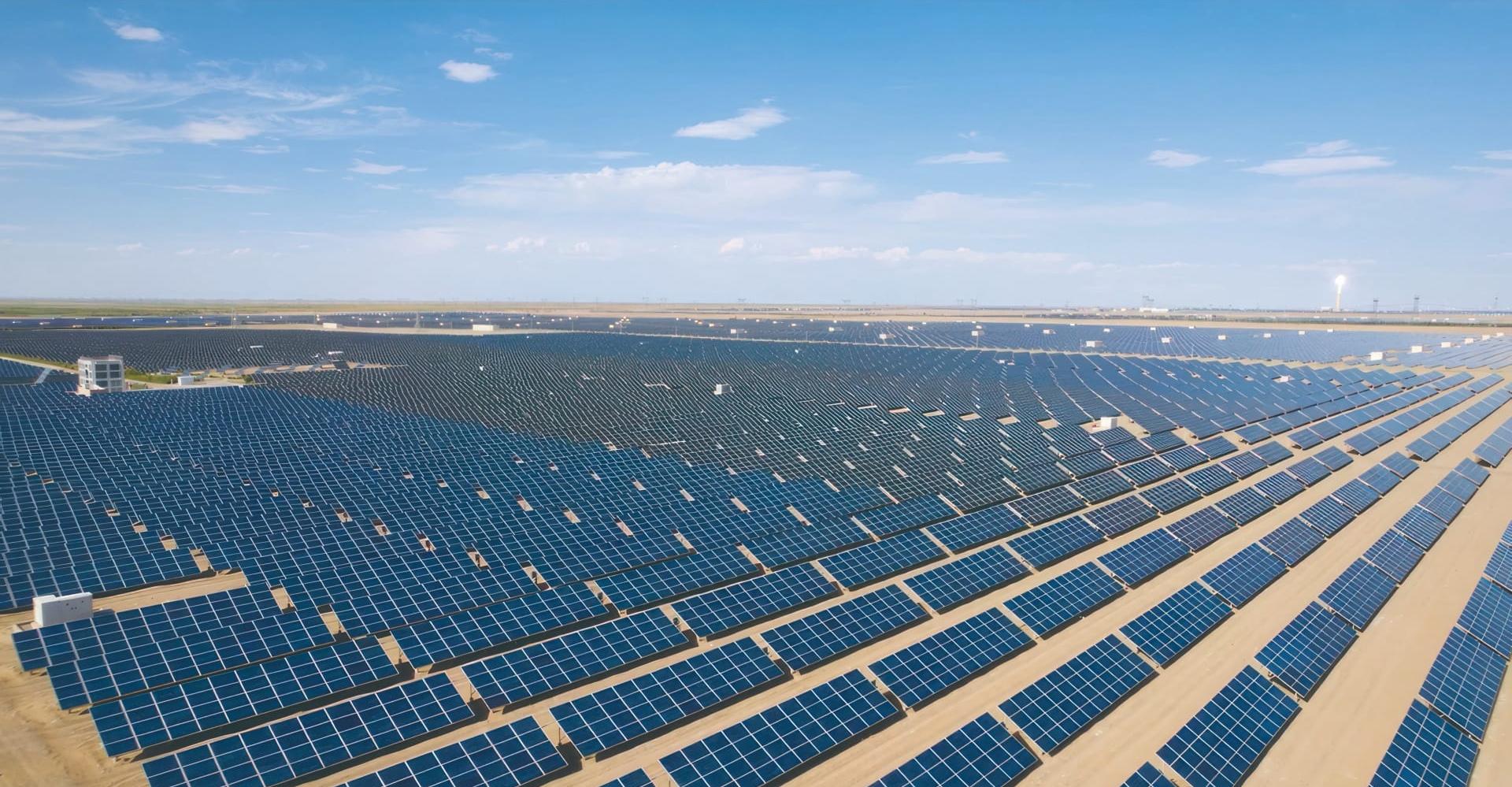
Over the past decade, wind and PV have undergone a remarkable transformation from costly power sources to affordable solutions. Today, they account for 30% of the world's total power capacity and rank first among newly installed power sources. However, their contribution to actual power generation stands at only 15%, revealing a significant gap between capacity and output.
New challenges also arise from integrating high proportions of wind and PV power into grids. The variable and intermittent nature of wind and PV power output, coupled with the low inherent inertia of power electronics devices, poses a threat to power system stability. Over the past two years, frequent grid fluctuations have occurred globally, underscoring the need to address these challenges urgently.
The primary challenge in transitioning wind and PV from supplementary to main power sources lies in enhancing their grid-supporting capabilities, calling for renewable energy systems to actively stabilize the grid as conventional power plants do. Achieving this transition requires the development of new power systems based on power electronics technology that enables a shift from passive grid adaptation to active system support.
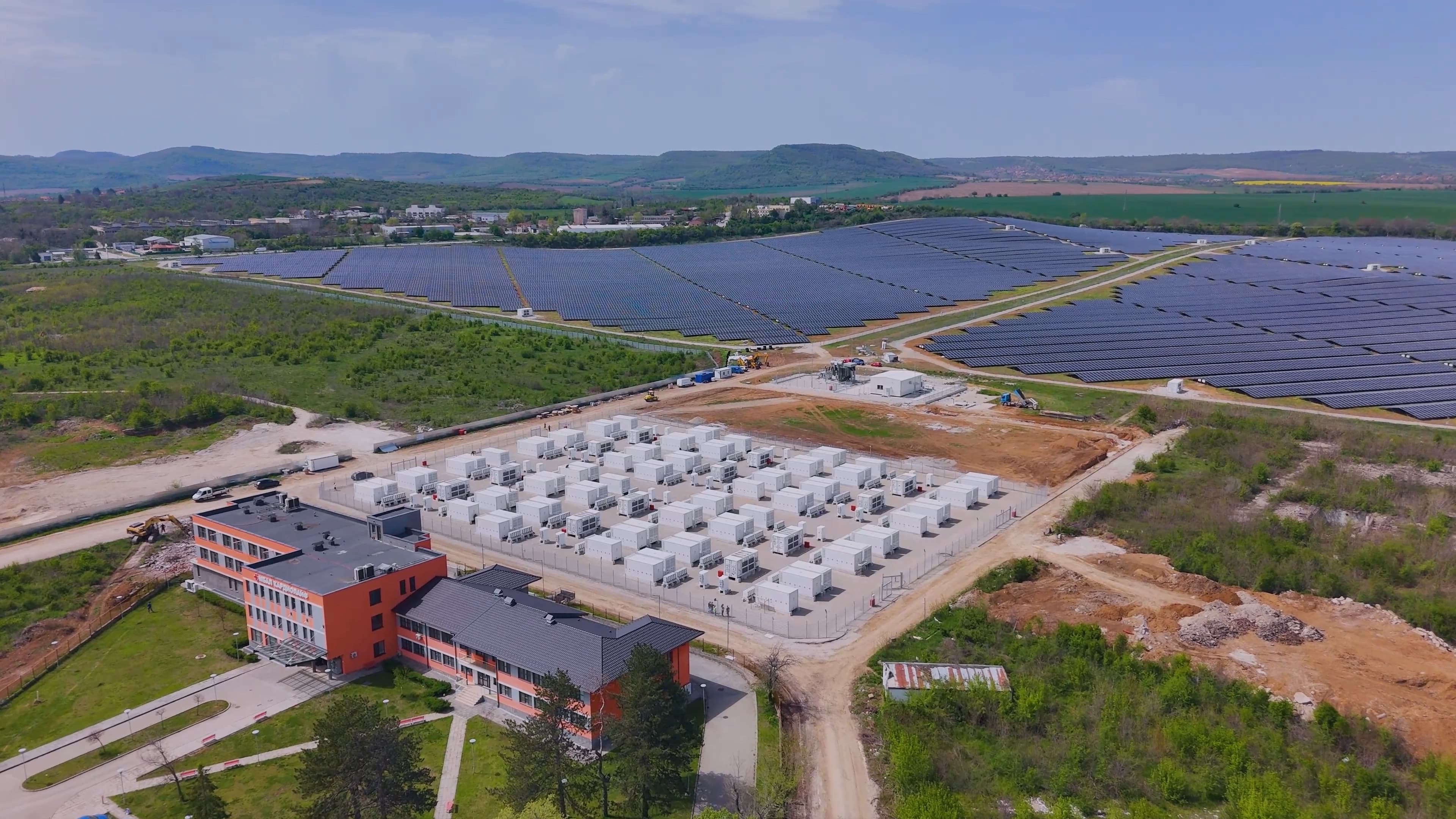
The large-scale deployment of energy storage systems (ESSs), along with their deep integration with wind and PV systems, is accelerating the emergence of "wind/PV + ESS" as a robust, reliable energy solution. Projections indicate that the levelized cost of electricity for such a solution will reach parity with that of conventional power generation within the next 2 to 3 years, thereby overcoming the economic barrier.
At the same time, technological innovation is advancing in three key directions: all-scenario grid-forming, artificial intelligence (AI) integration, and full-lifecycle high-quality products. These innovations will form the foundational architecture of new power systems, fundamentally enhancing renewable energy's support for grids and promoting the transition to a safer, more efficient, and inclusive energy future.

All-scenario grid-forming technology will enable and accelerate the transformation of wind+PV+ESS systems into the main power sources.
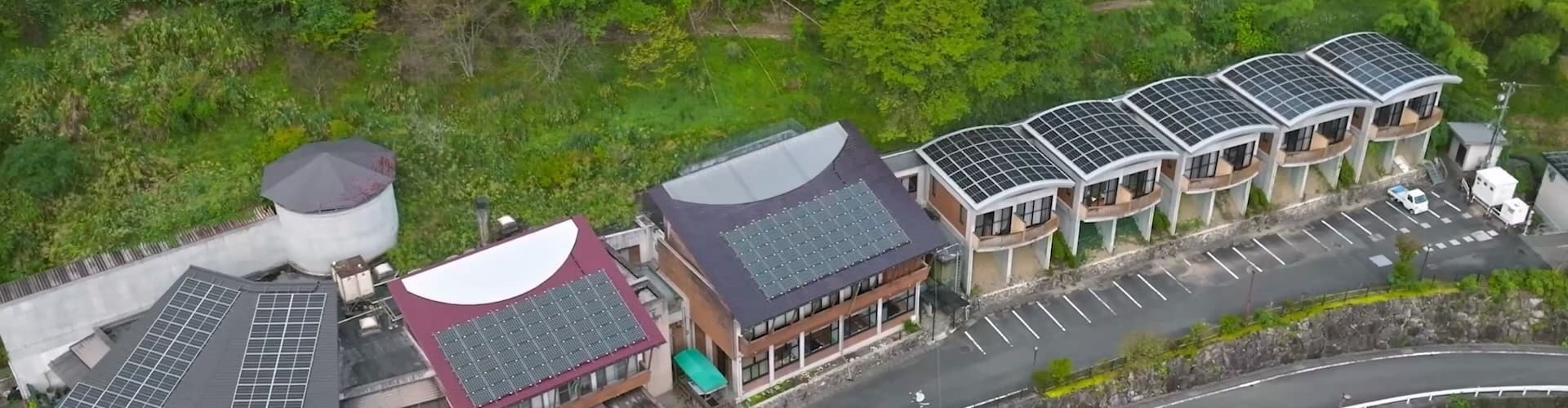
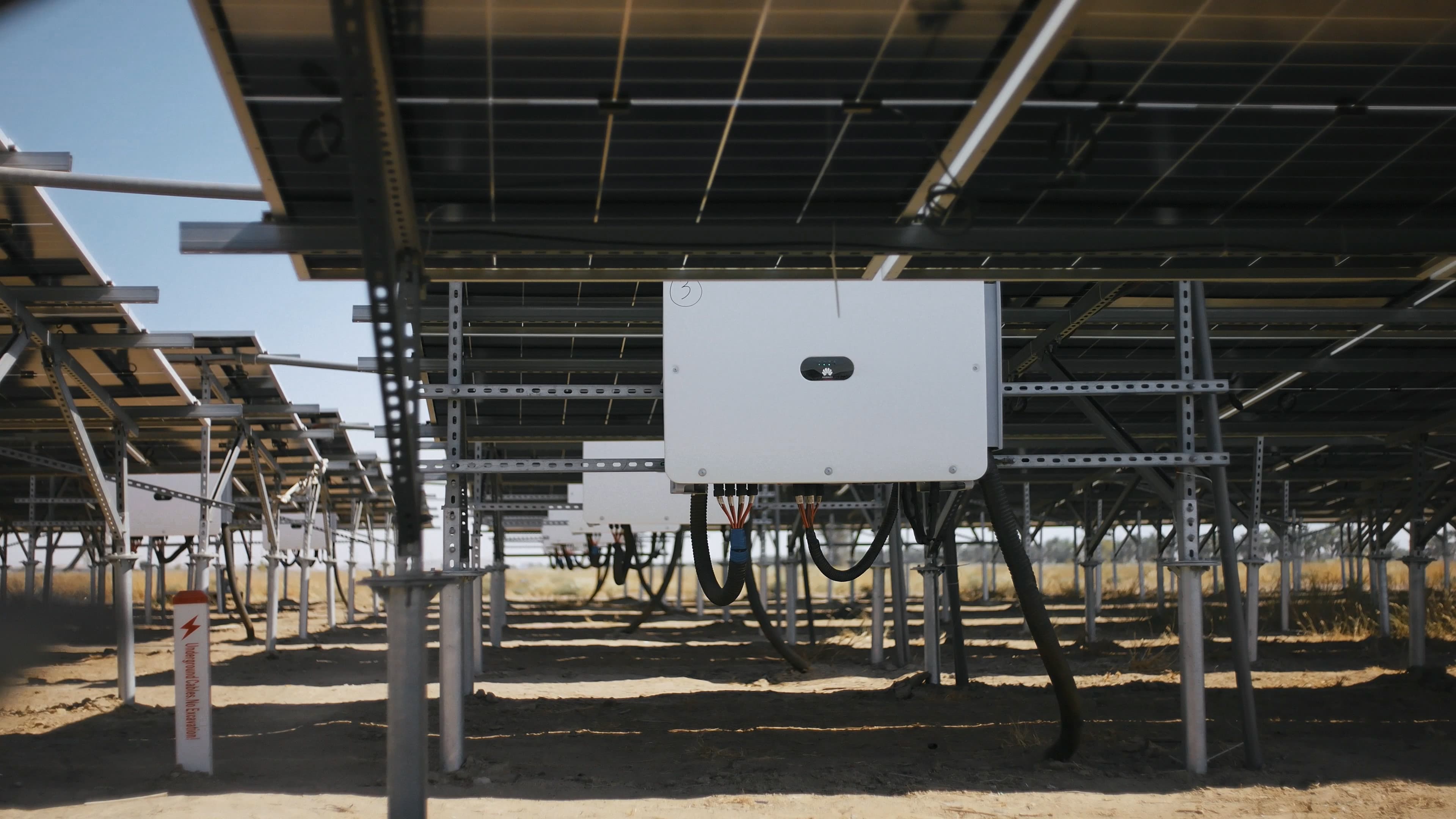
Conventional systems rely on mechanical rotational inertia in thermal power units to maintain stability. Conversely, wind+PV+ESS systems leverage power electronics–based methods—including digital control, grid-forming algorithms, and system architectures—to provide virtual inertia and relevant capabilities, thereby ensuring power system stability and grid safety. Grid-forming technology is widely applicable across all power system scenarios, including generationside wind+PV+ESS plants, grid-side energy storage plants, consumption-side distributed wind+PV+ESS systems, and various types of microgrids.
Huawei Digital Power has been investing heavily in gridforming technology, driving it from theoretical research to practical application and industrializing it on a massive scale. These efforts have provided us with extensive expertise and yielded significant outcomes in industry deployment.
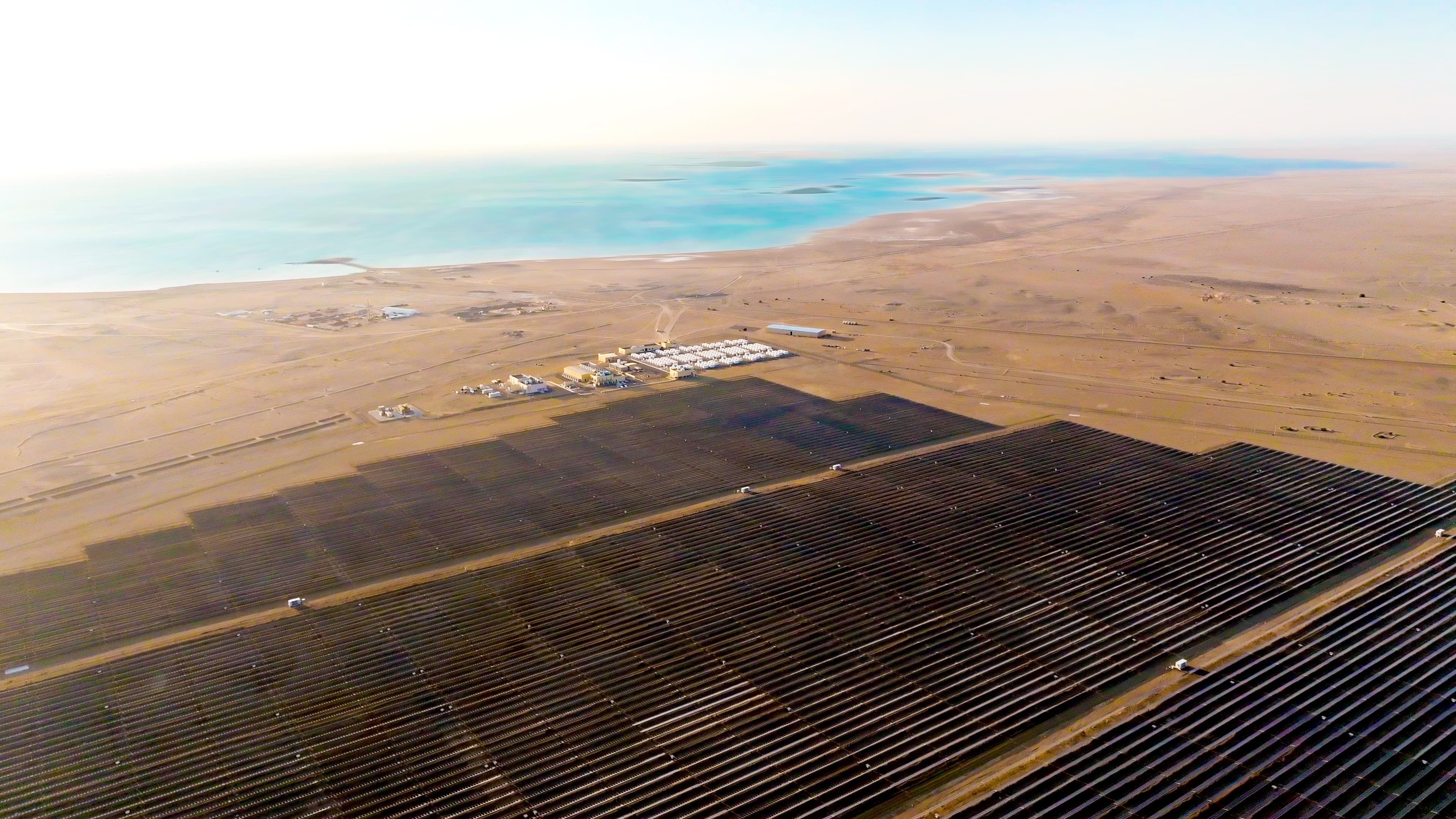
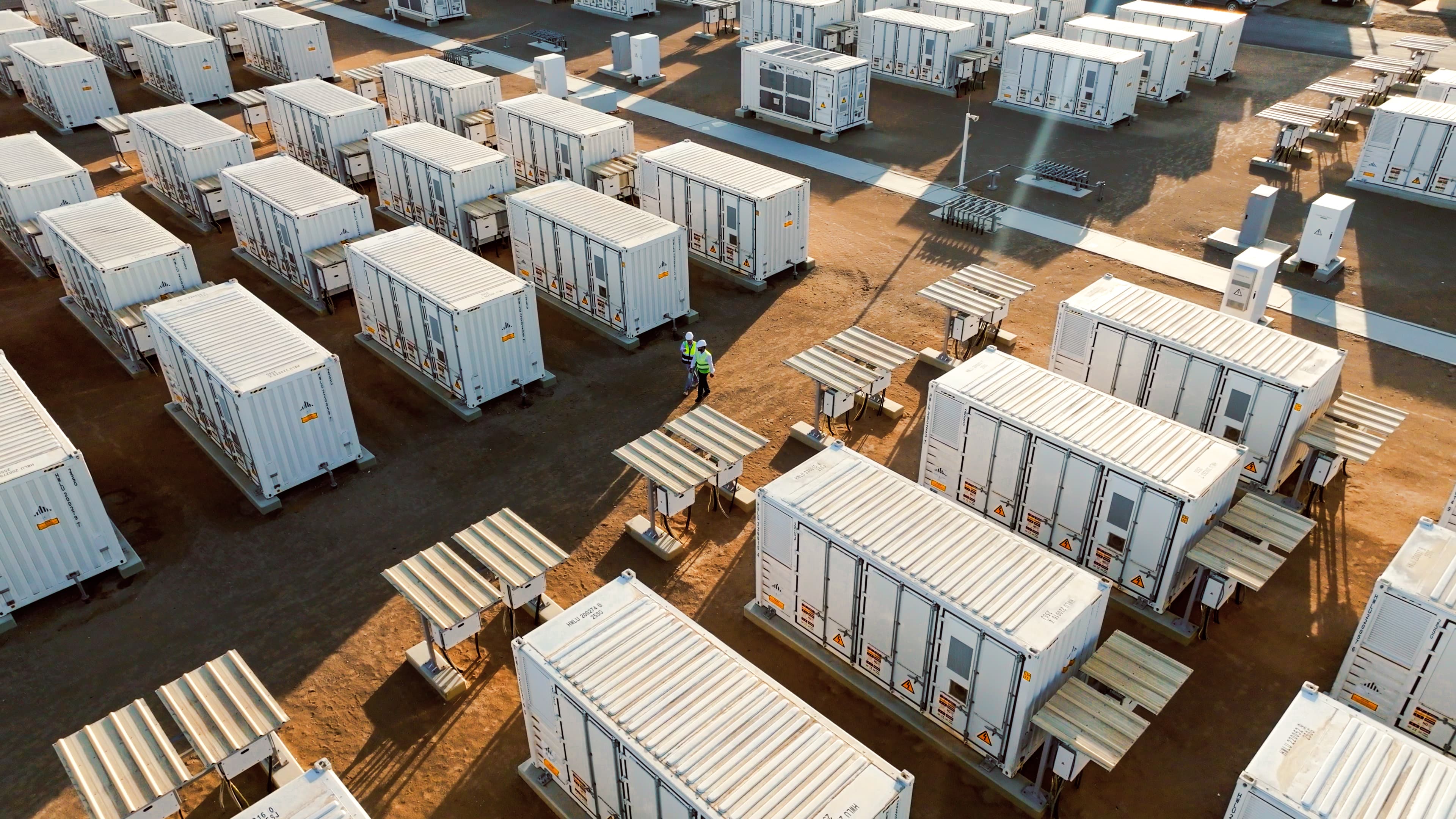
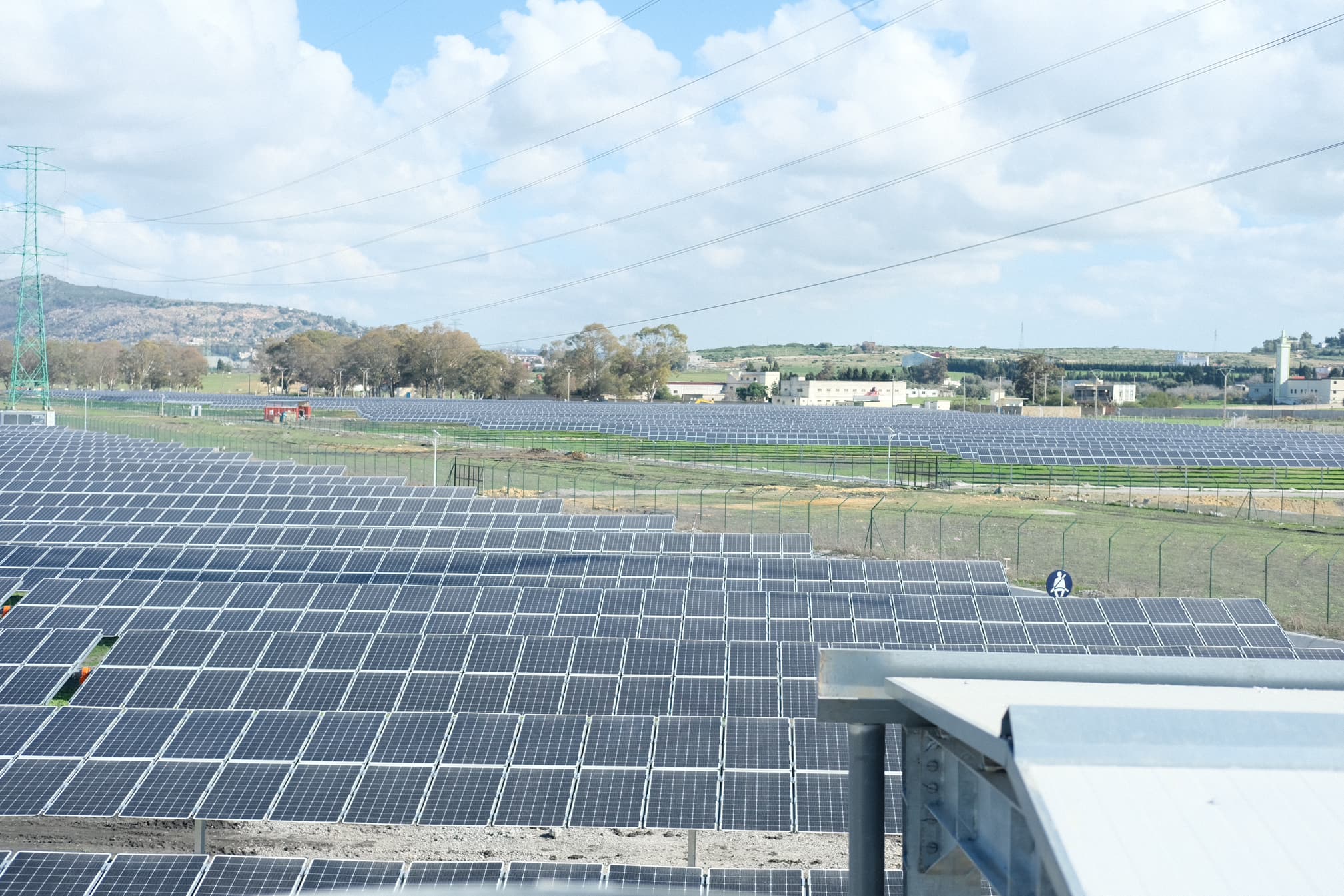
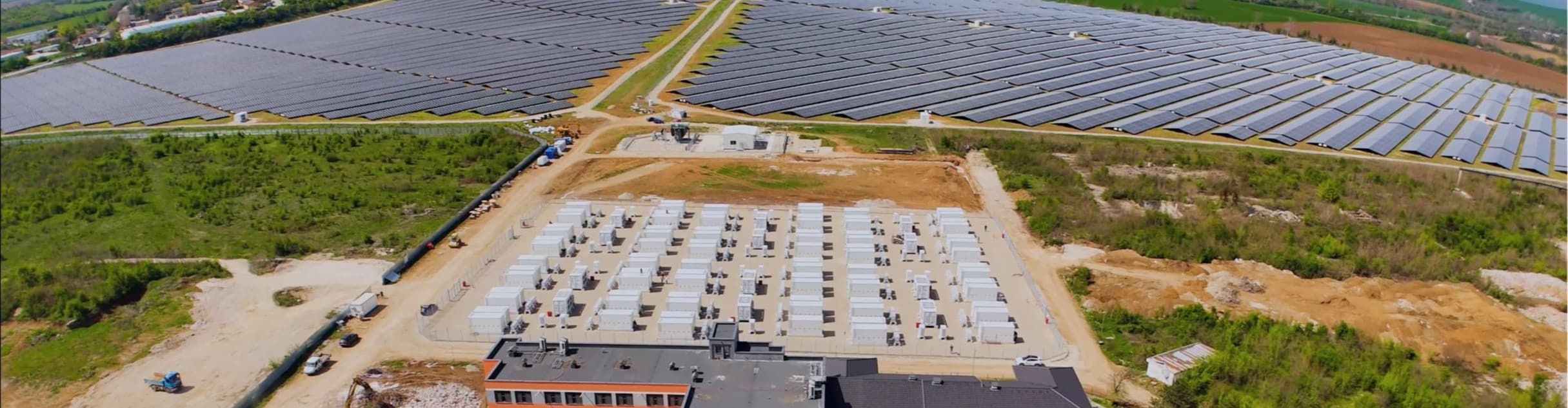
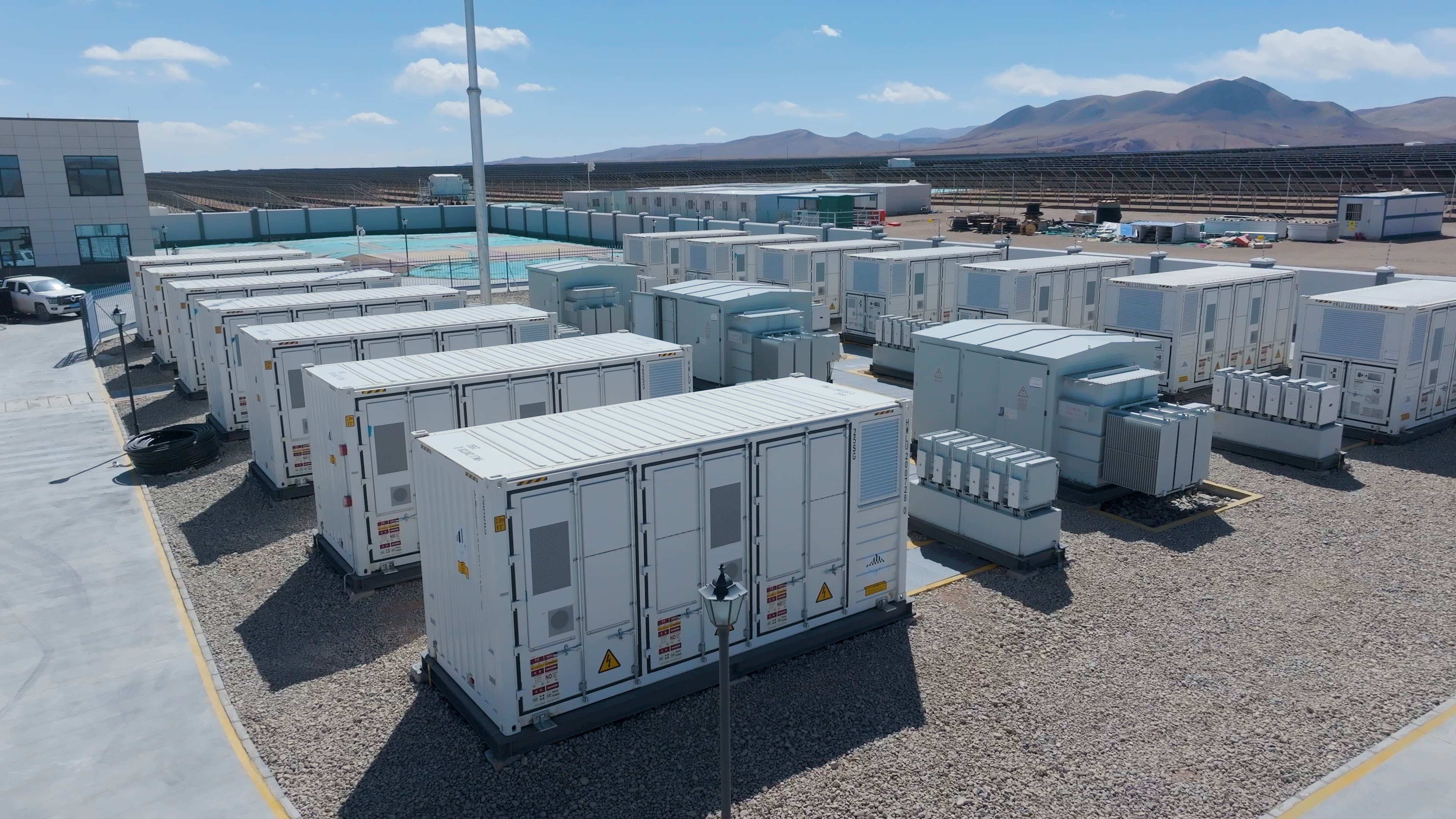
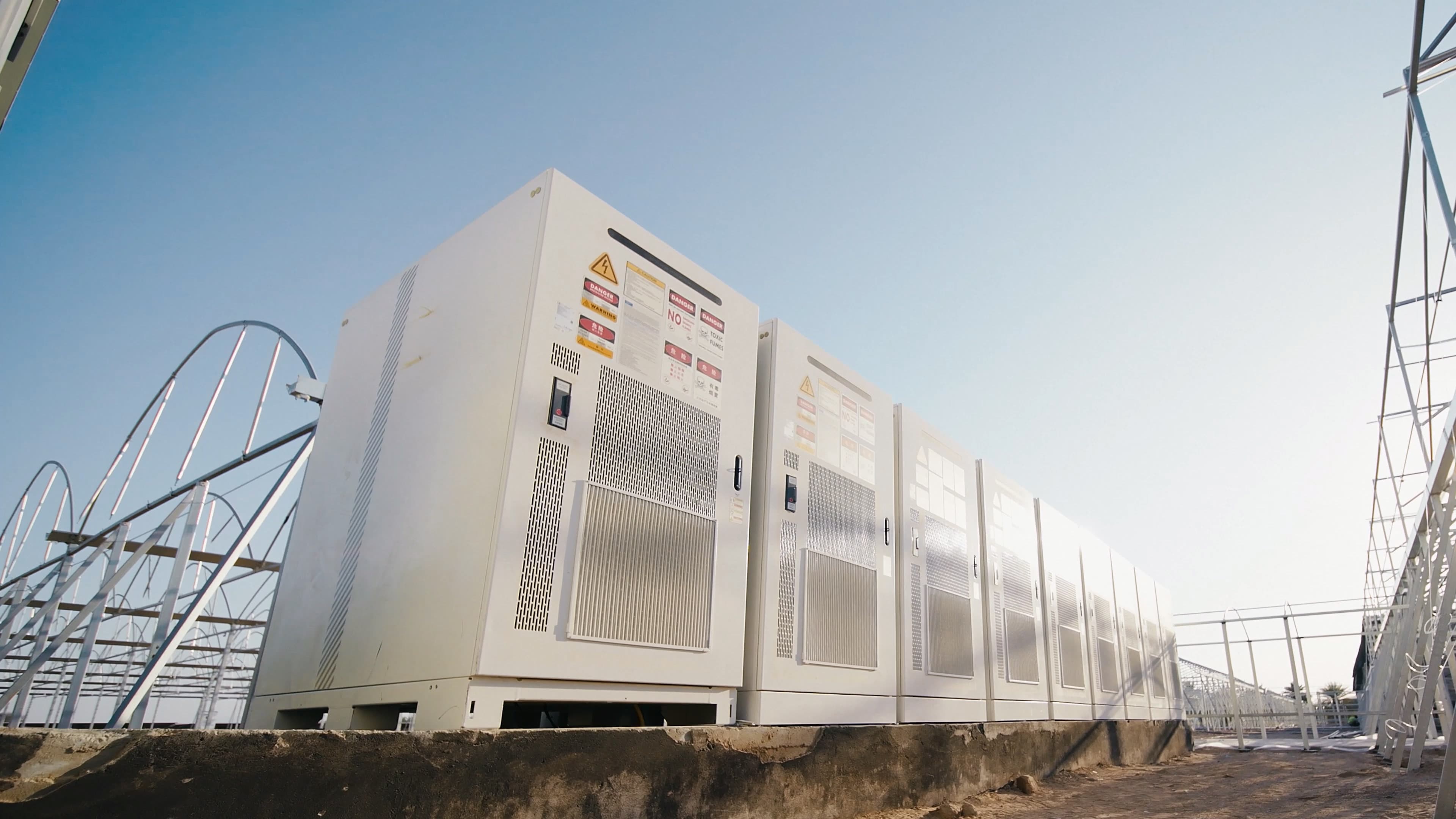
· In Saudi Arabia's Red Sea destination project, we helped our customer build the world's largest PV+ESS microgrid with 400 MW PV and 1.3 GWh ESS. The project was the first of its kind to use a standalone PV+ESS solution to provide a stable power supply. Having performed reliably for more than two years, it has set a low-carbon benchmark for city power systems by providing 100% renewable energy to an entire city.
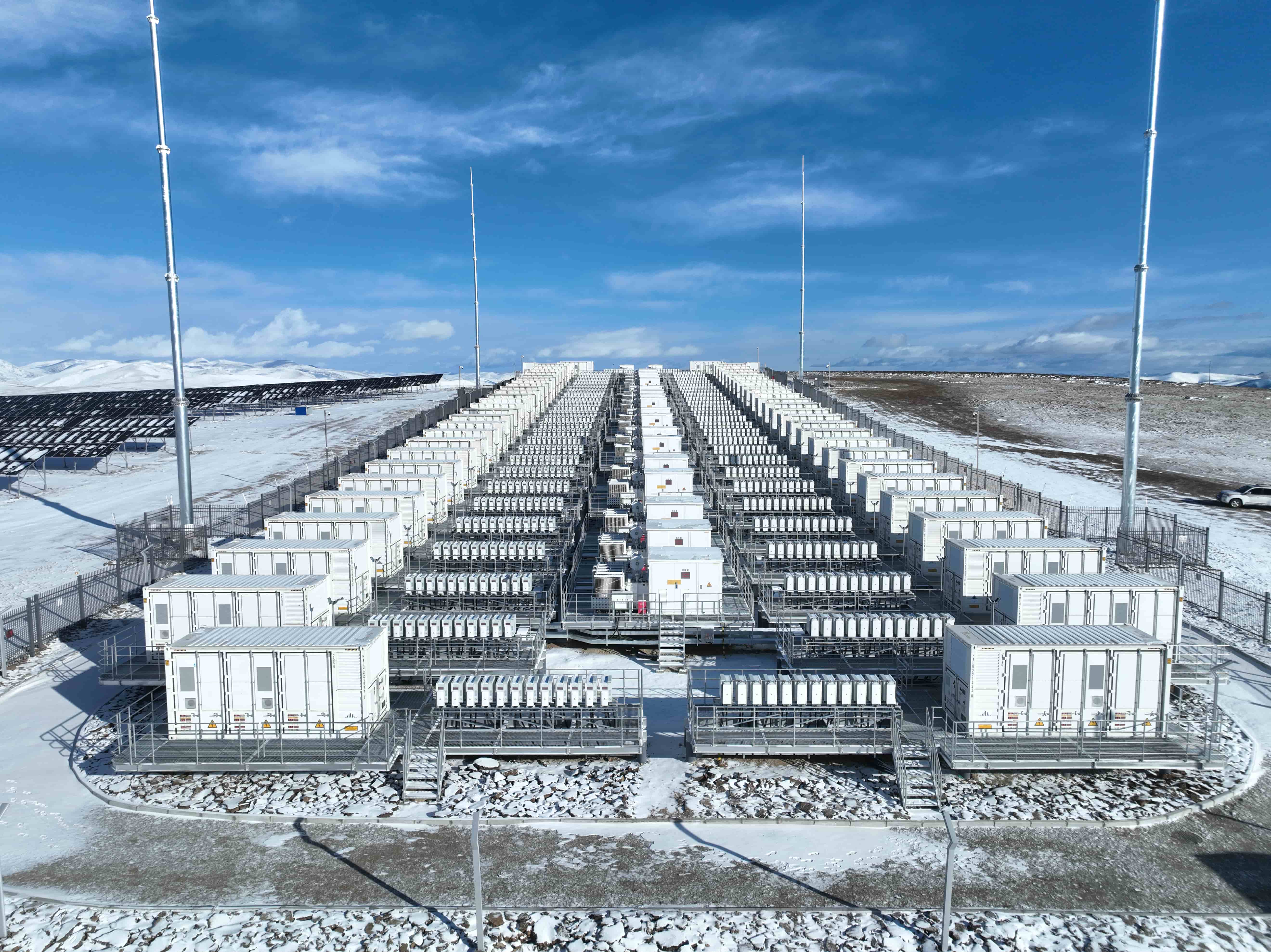
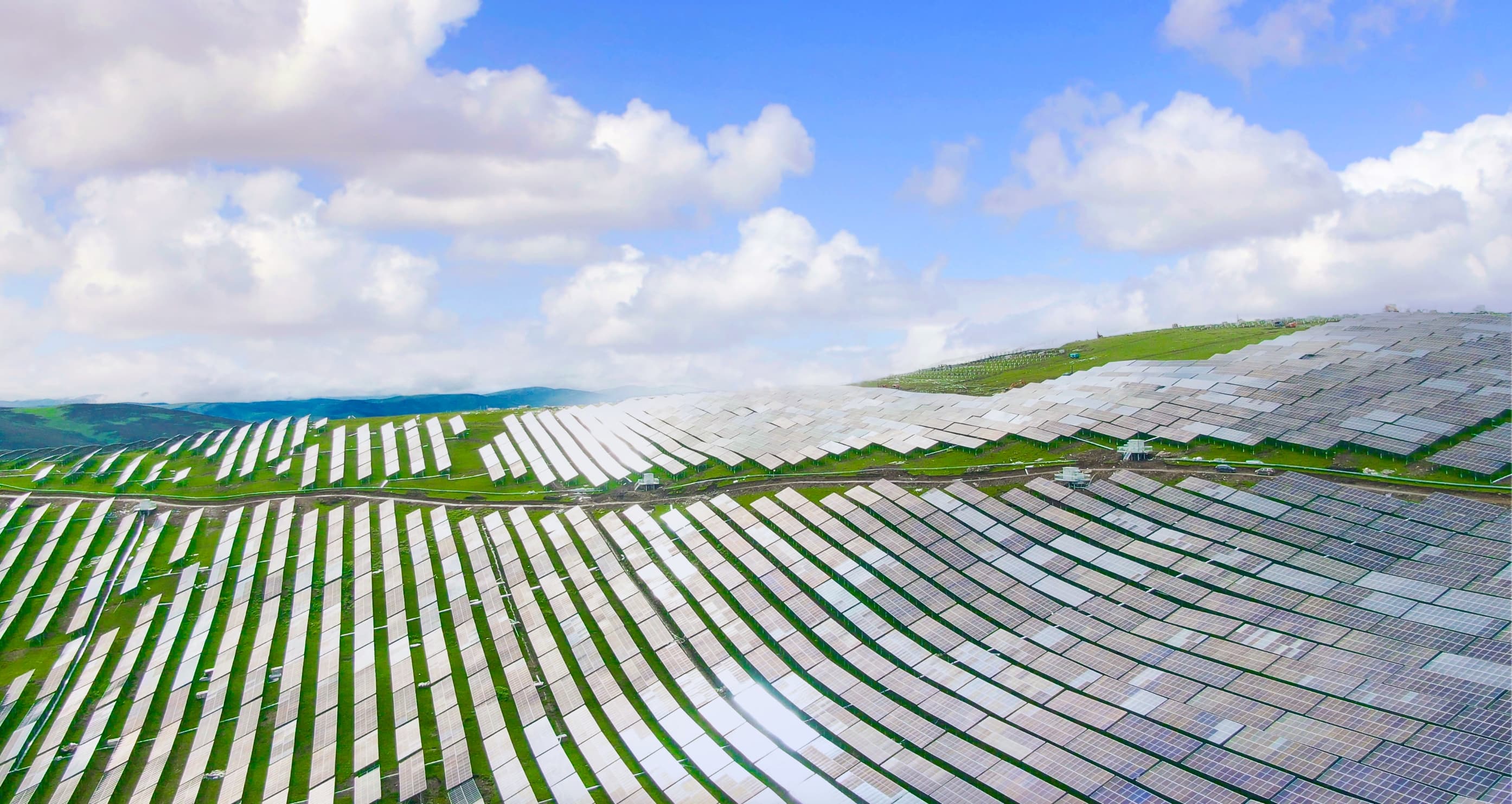
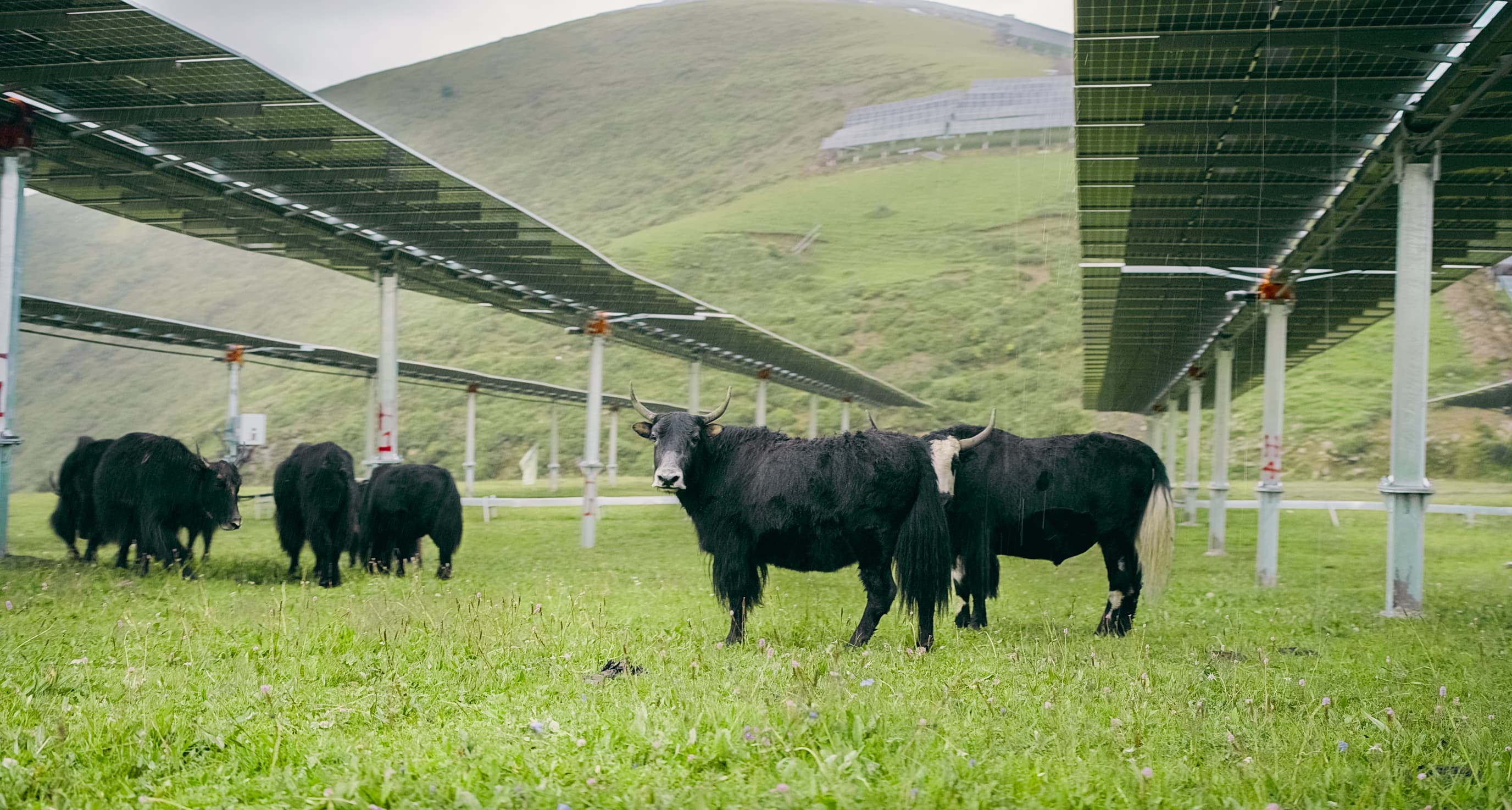
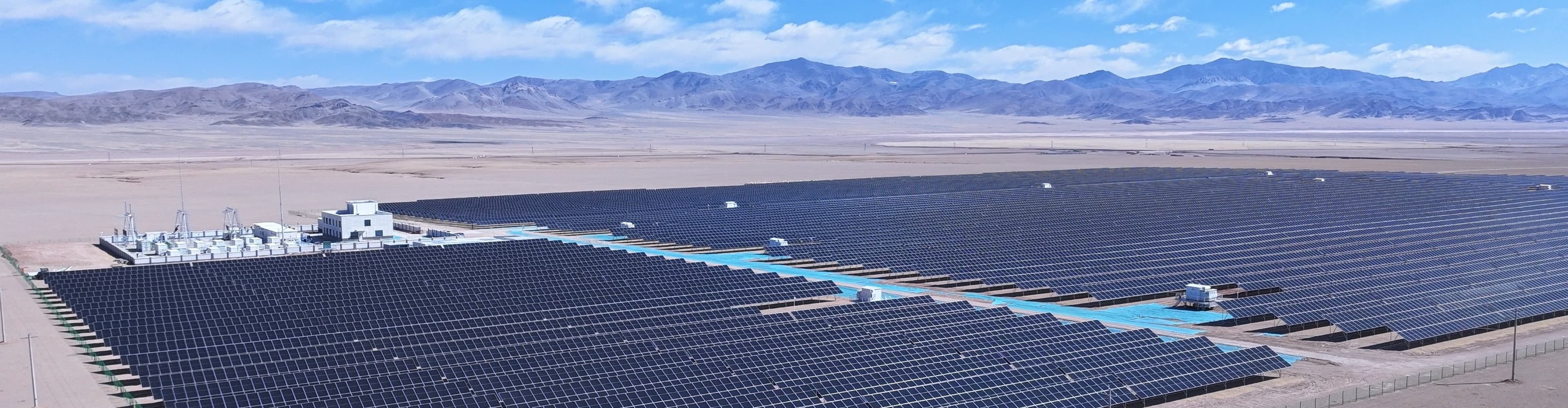
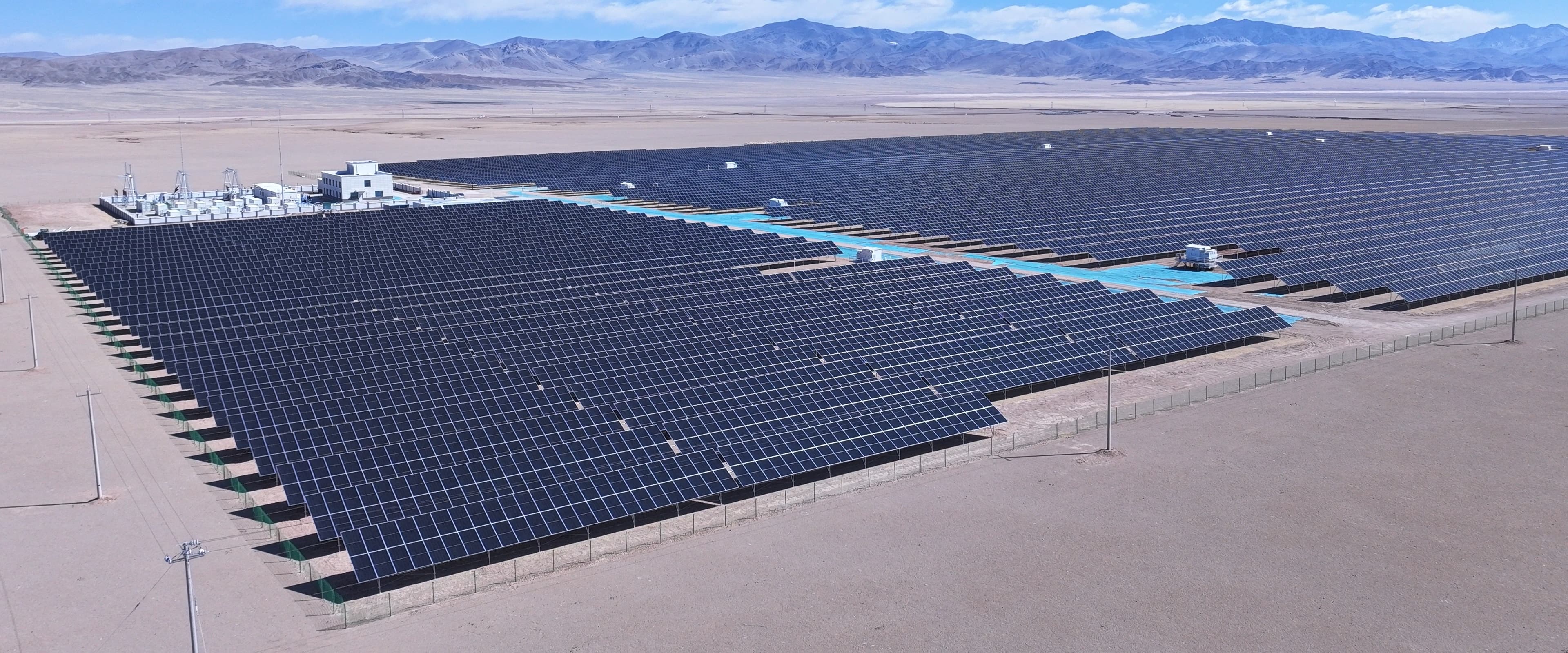
· In China, we conducted extensive on-site evaluations of grid-forming technology with customers and power grid operators. We performed more than 2,300 grid-forming tests across three scenarios—wind+ESS in Xinjiang, PV+ESS in Xizang, and PV in Qinghai. All tests passed successfully and verified that our grid-forming technology can deliver the same level of stability that synchronous generators of the same capacity provide. This technology offers a new approach for achieving stable power output from renewable energy bases at the edge of power grids. The same approach is also applicable to other regions, including Latin America, Asia pacific, the Middle East, and Africa.
· In Sweden, where renewable energy constitutes a significant share of the energy mix, the national grid's elongated, northsouth configuration gives rise to unique challenges, with its long transmission lines inherently affecting frequency stability. To address this, we worked with customers to deploy multiple grid-forming, frequency-regulation energy storage plants. These plants provide faster response and more accurate regulation, enabling the grid to maintain stable frequency while also accelerating Sweden's renewable energy transition.
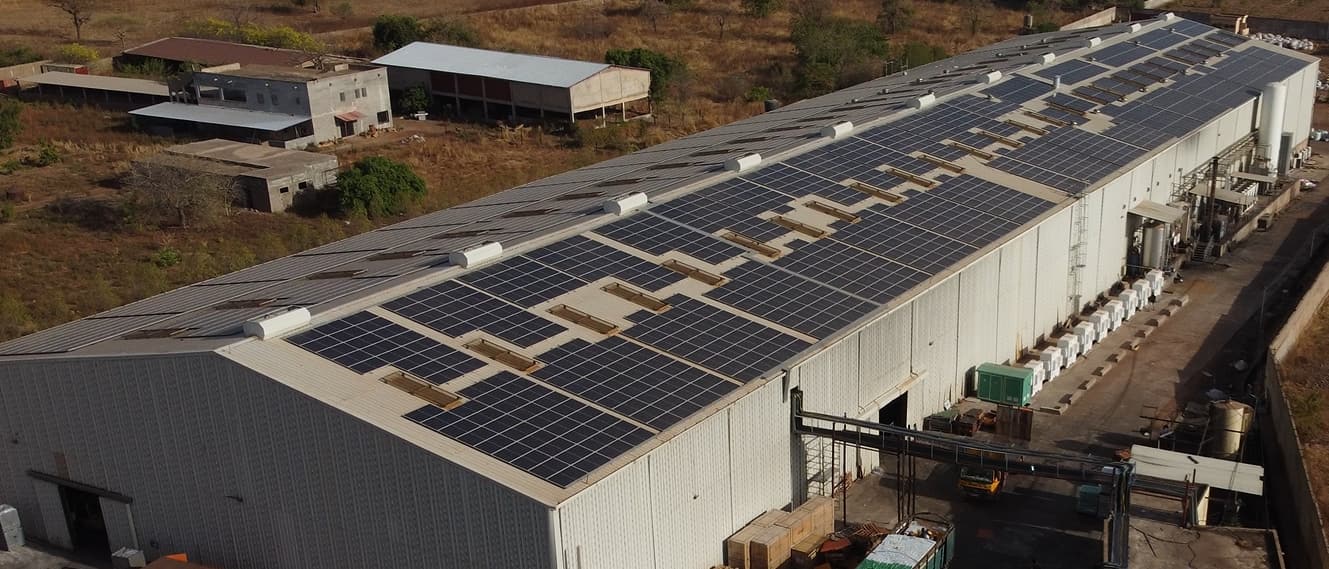
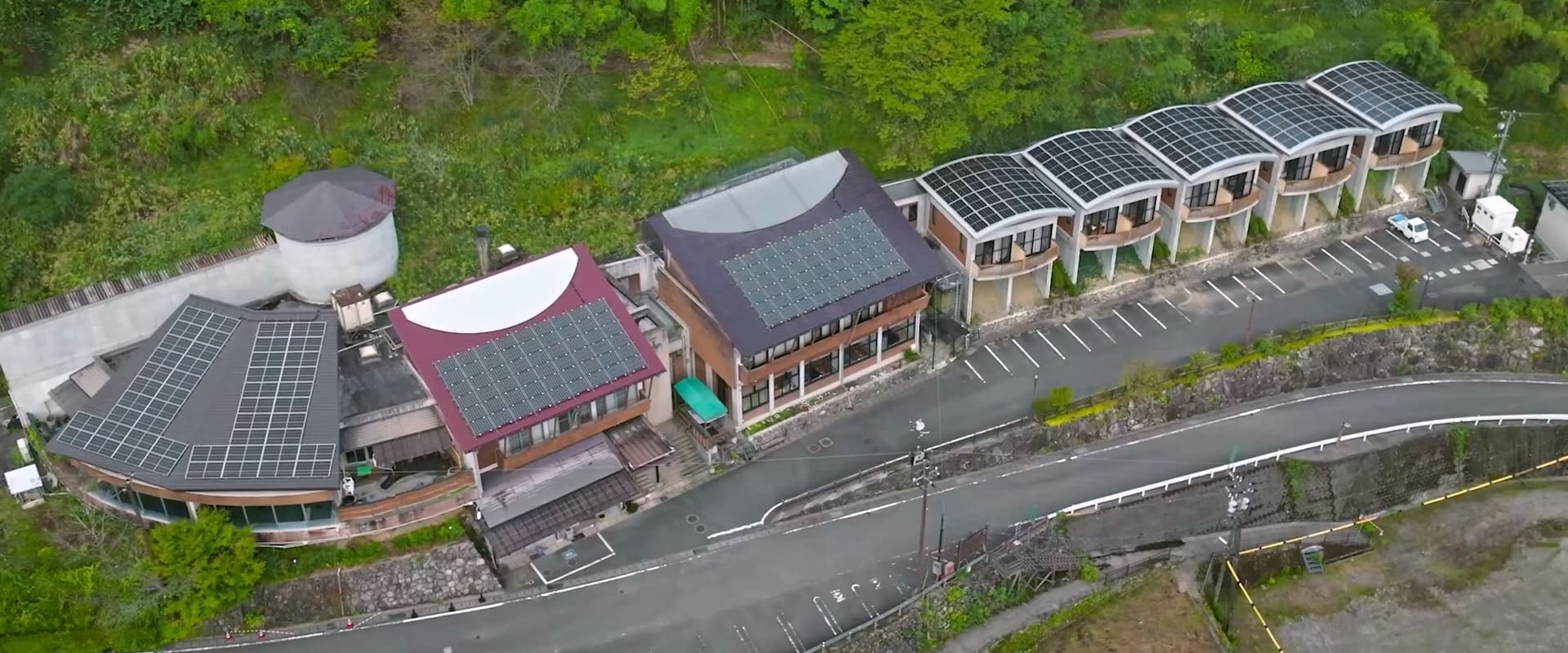
· In Mongolia, we pioneered the world's first 100-MW-scale mine microgrid project, featuring an innovative solution that integrates "PV + ESS + diesel generators" to create a selfsustaining microgrid capable of delivering a stable power supply while also reducing energy costs. This project can be replicated in areas with insufficient or no electricity, including mining sites and islands.
AI is poised to evolve from a supporting function to a core technology in power generation, enabling truly autonomous operation of wind+PV+ESS power plants.
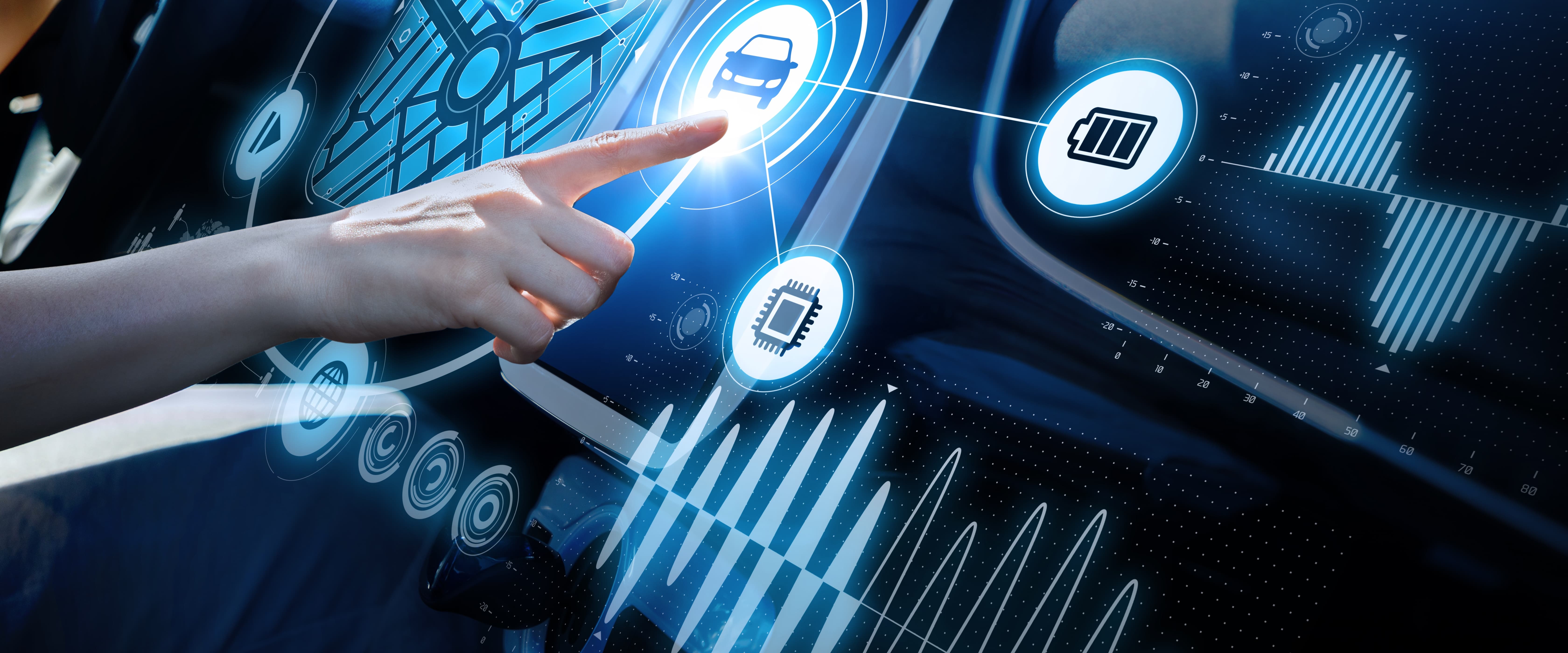
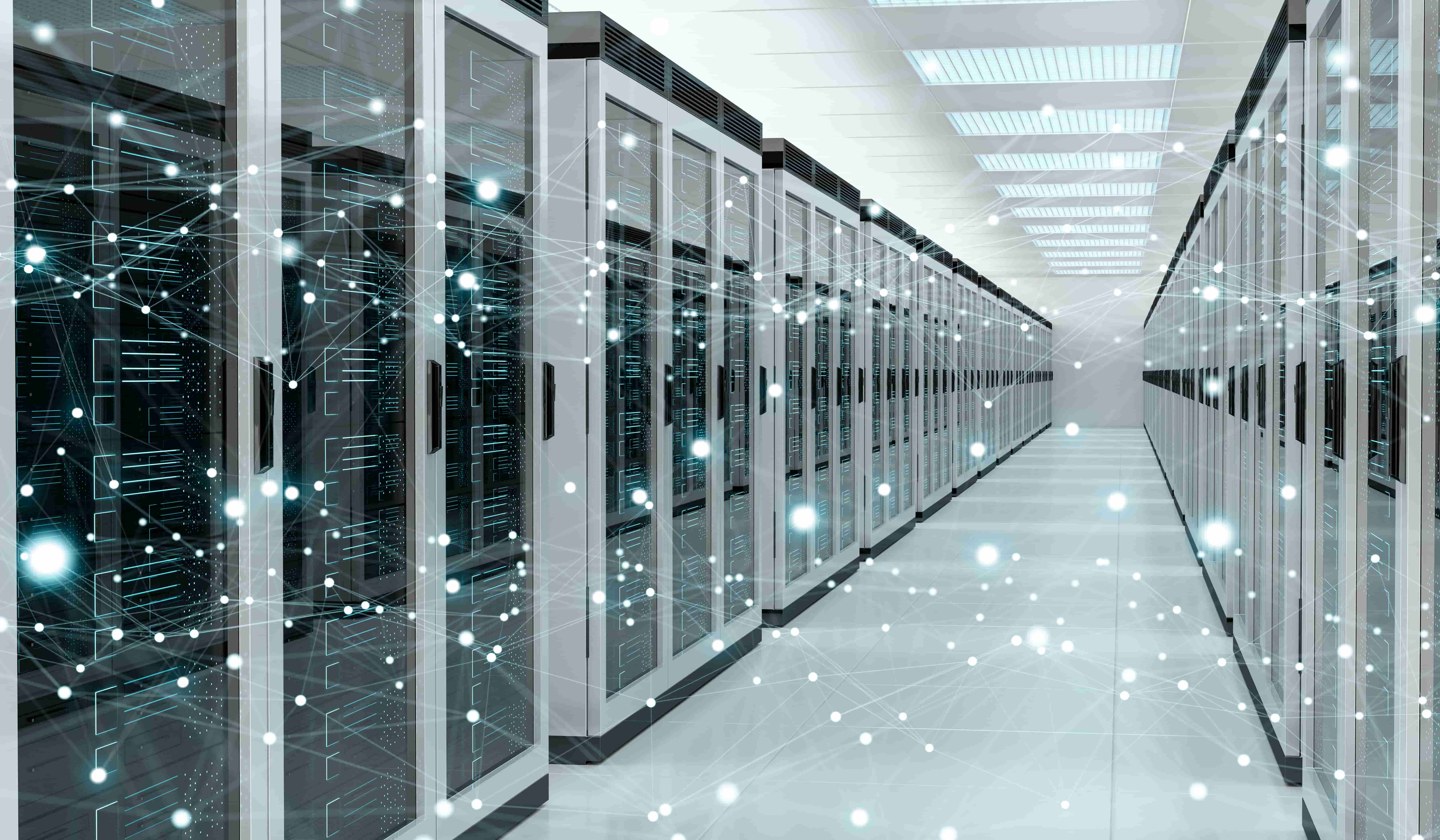
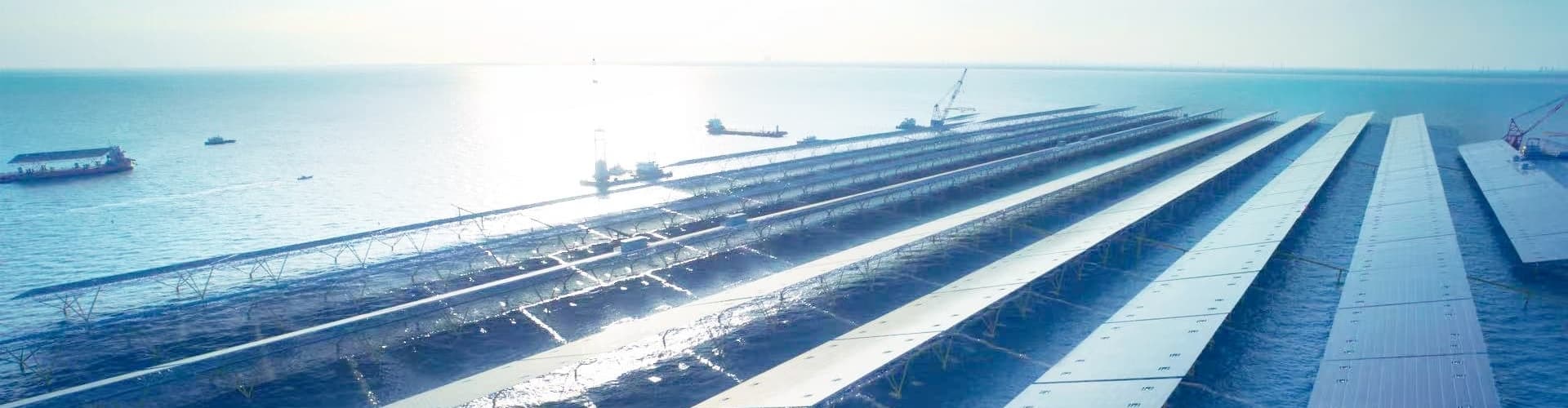
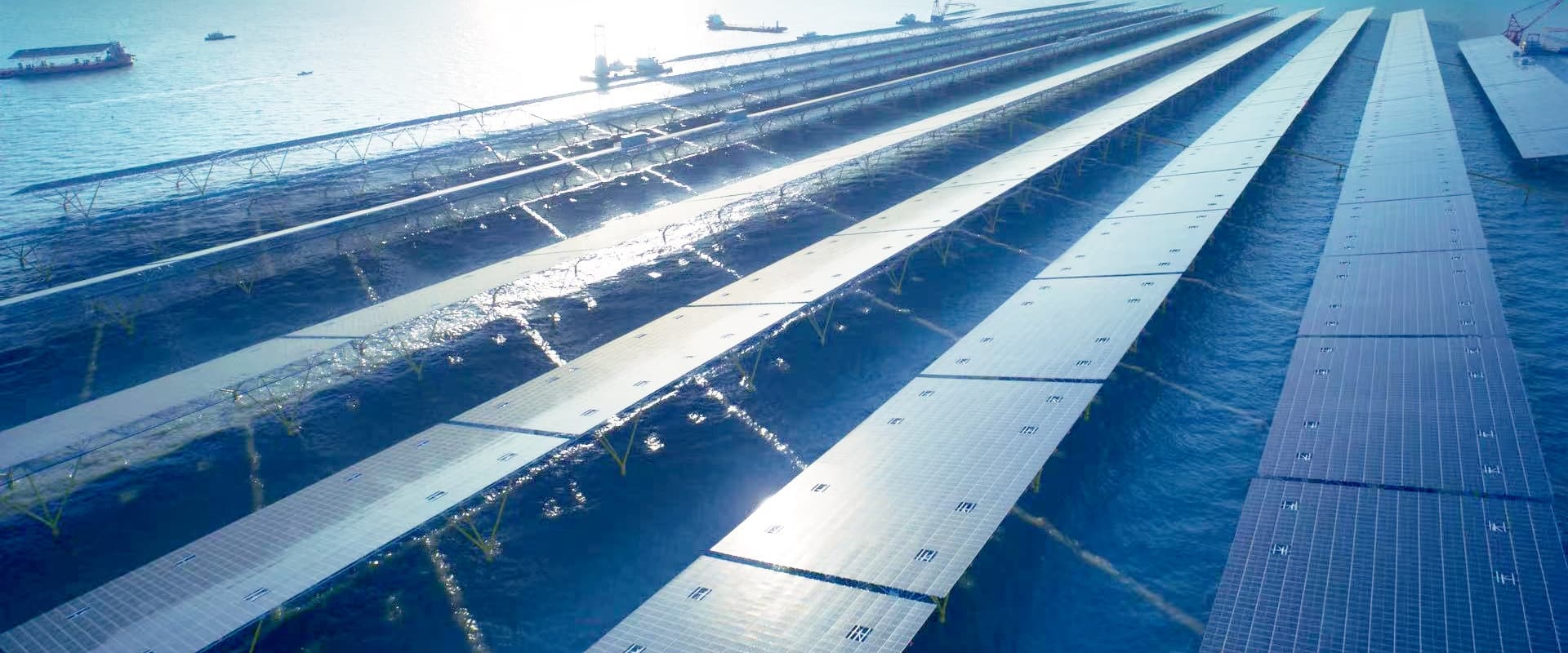
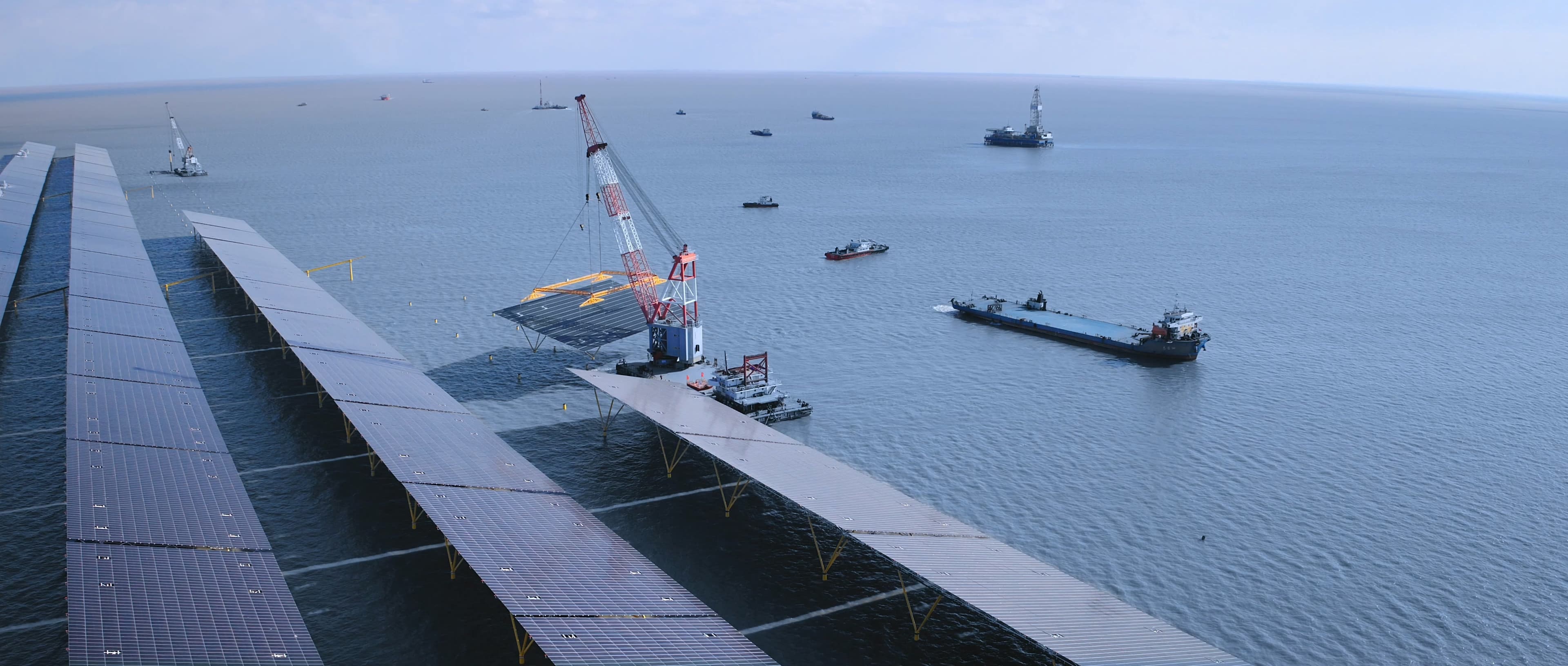
As the construction and operational environments of GWscale plants and campuses become increasingly complex— spanning deserts, plateaus, and off shore locations— traditional manual operations and maintenance (O&M) face major limitations. AI will be deeply integrated into wind+PV+ESS systems, transforming "dumb devices" into intelligent assets. Through device-edge-cloud synergy, each power plant will function as an intelligent agent capable of self-optimization, self-prediction, and self-adaptation, evolving into a more efficient and user-friendly plant as AI deployment continues.
In O&M, an AI platform will collaborate with drones and robots to implement unmanned inspections, establishing unattended or minimally attended O&M as a standard for GW-scale power plants. In energy trading, AI will dynamically adjust wind+PV+ESS strategies based on multi-timescale power and price forecasts. And by optimizing both economic efficiency and system resilience via generation-grid-load-storage collaboration, AI will revolutionize energy transactions. Once embedded in production systems, AI will make wind+PV+ESS plants truly automated and unattended, significantly enhancing the efficiency of O&M, production, and trading processes.
Full-lifecycle high quality is the cornerstone for the sustainable and healthy development of the renewable energy industry.
As a power generation asset, a wind+PV+ESS plant must operate reliably over a 20-year lifecycle. In this context, high quality and safety are not just requirements—they are strategic imperatives that surpass technological performance.
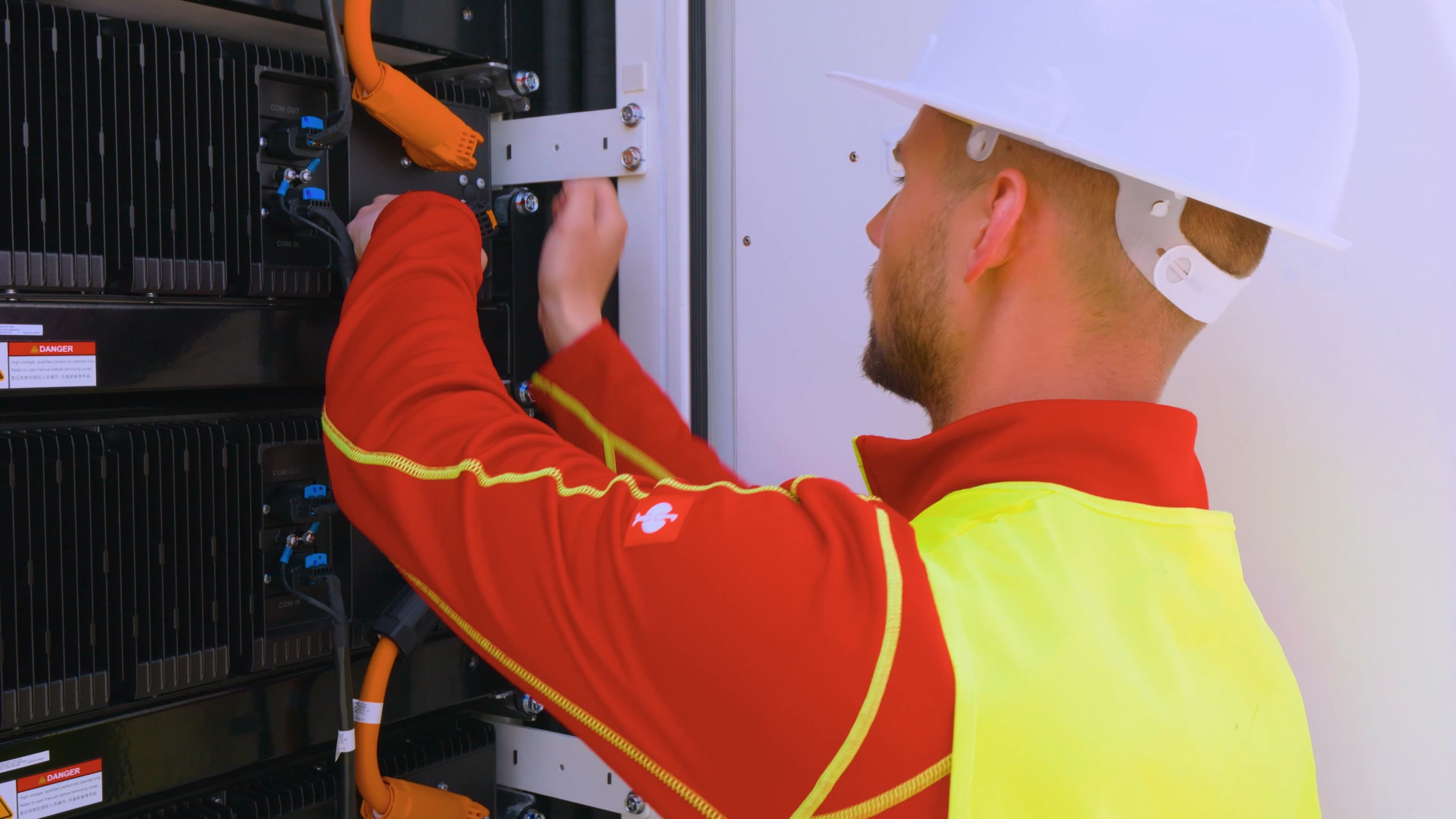
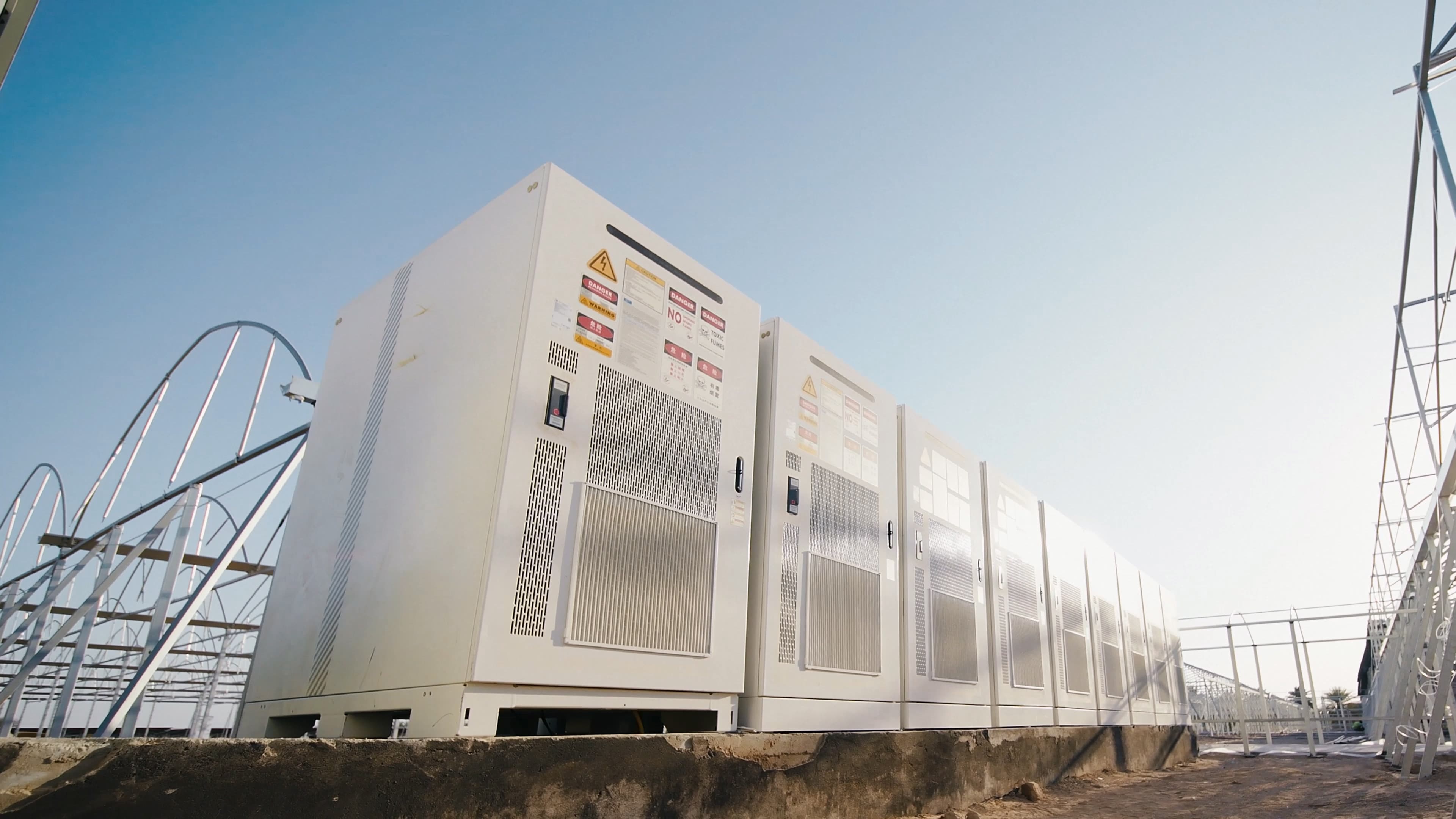
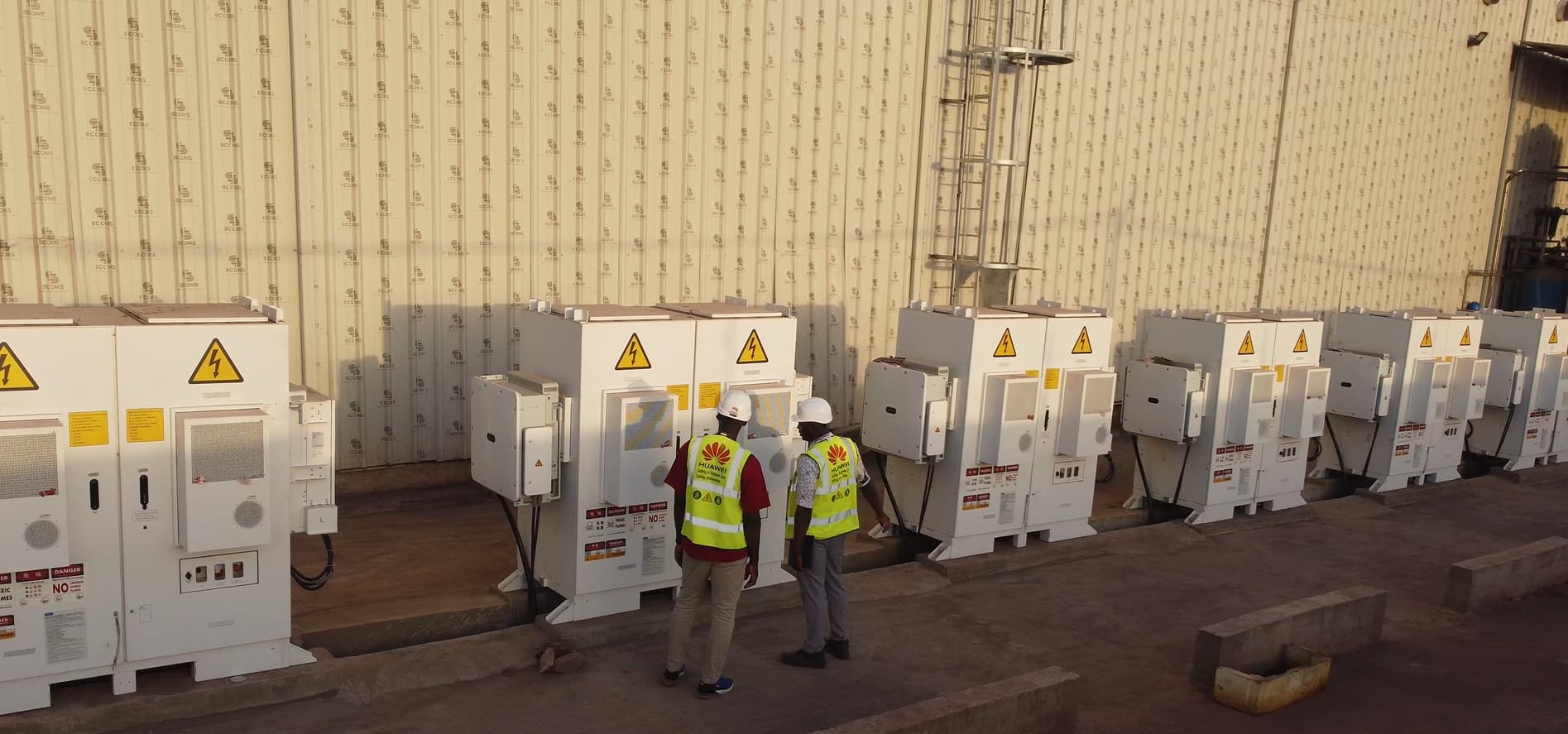
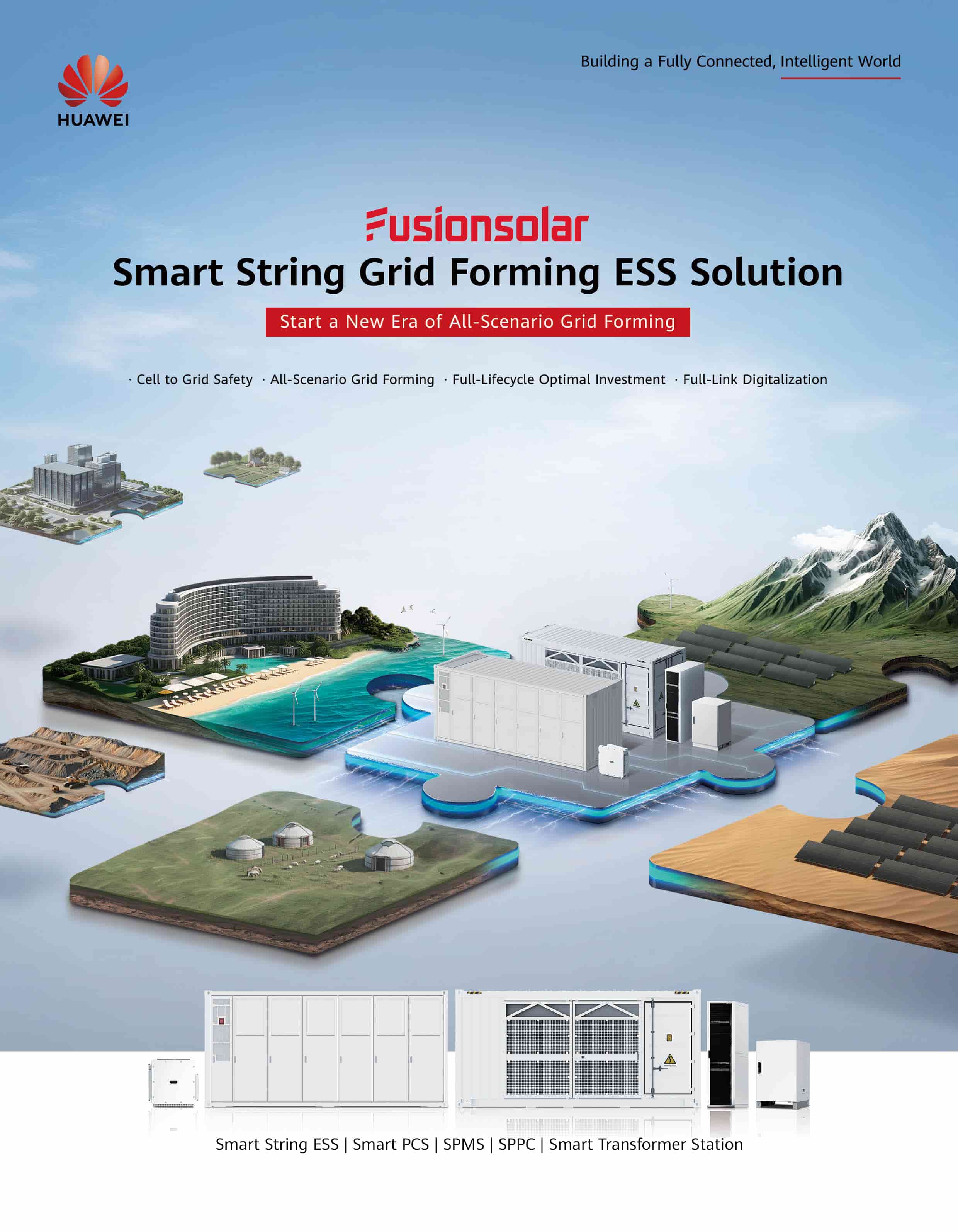
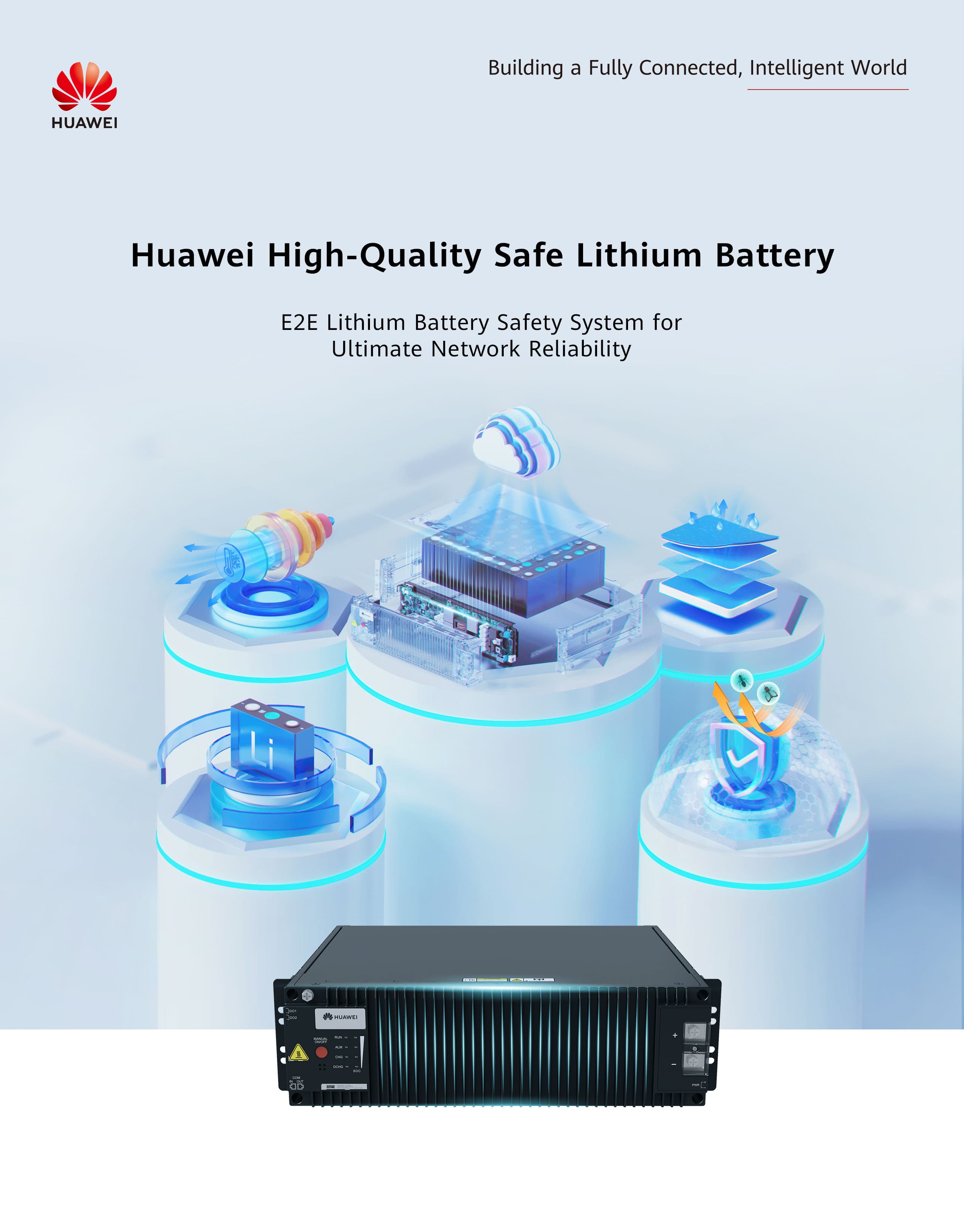
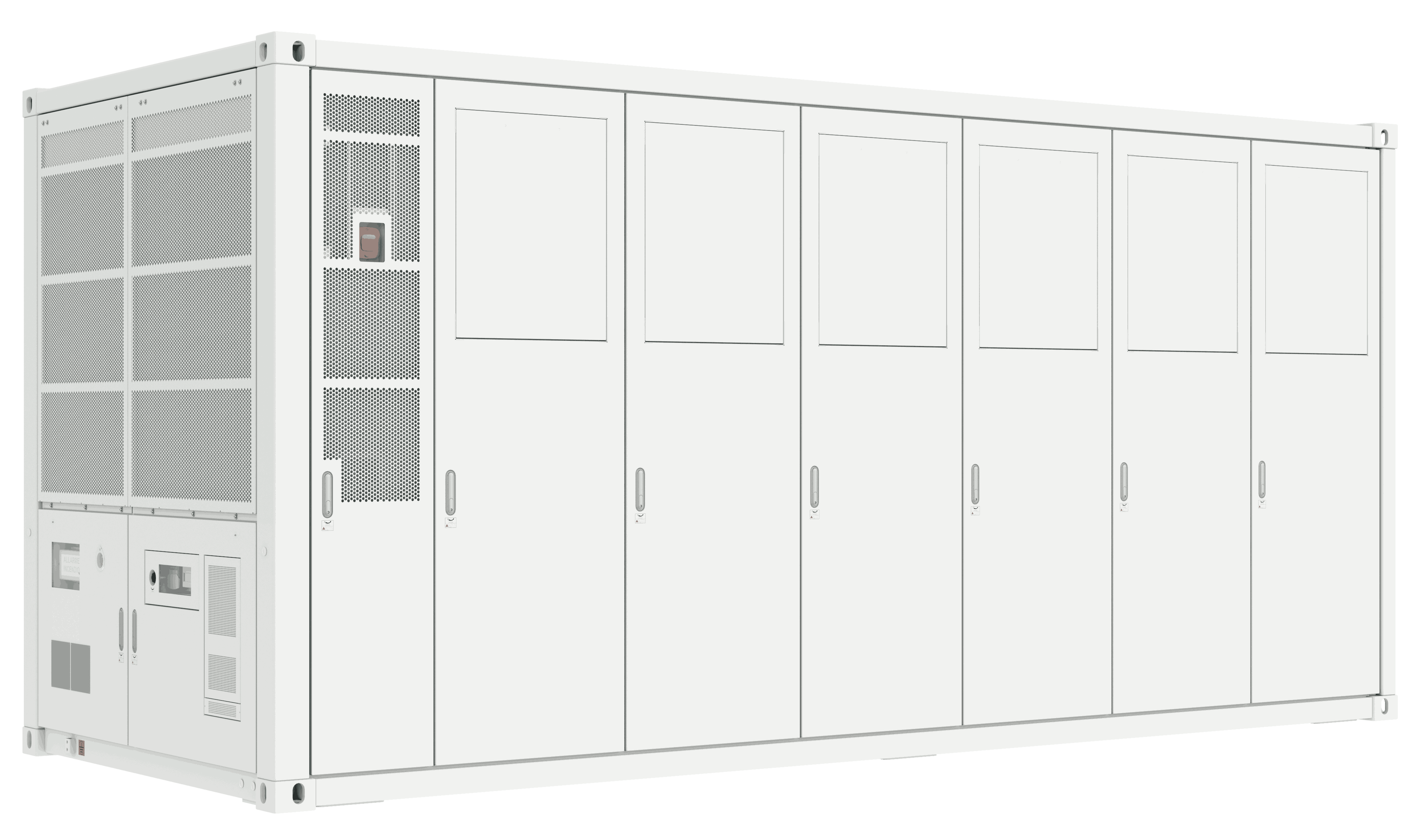
Huawei prioritizes both high quality and safety and has established an end-to-end electrical safety and quality assurance system. For energy storage safety, we have set a new industry benchmark with our "no fire, no explosion, no propagation, and no injury" safety principles. Our innovative approach encompasses comprehensive safety design from cell to grid, combined with AI-driven, digitalized full-link management. This approach redefines energy storage safety through multi-level protection and thermal runaway containment at the battery-pack level.
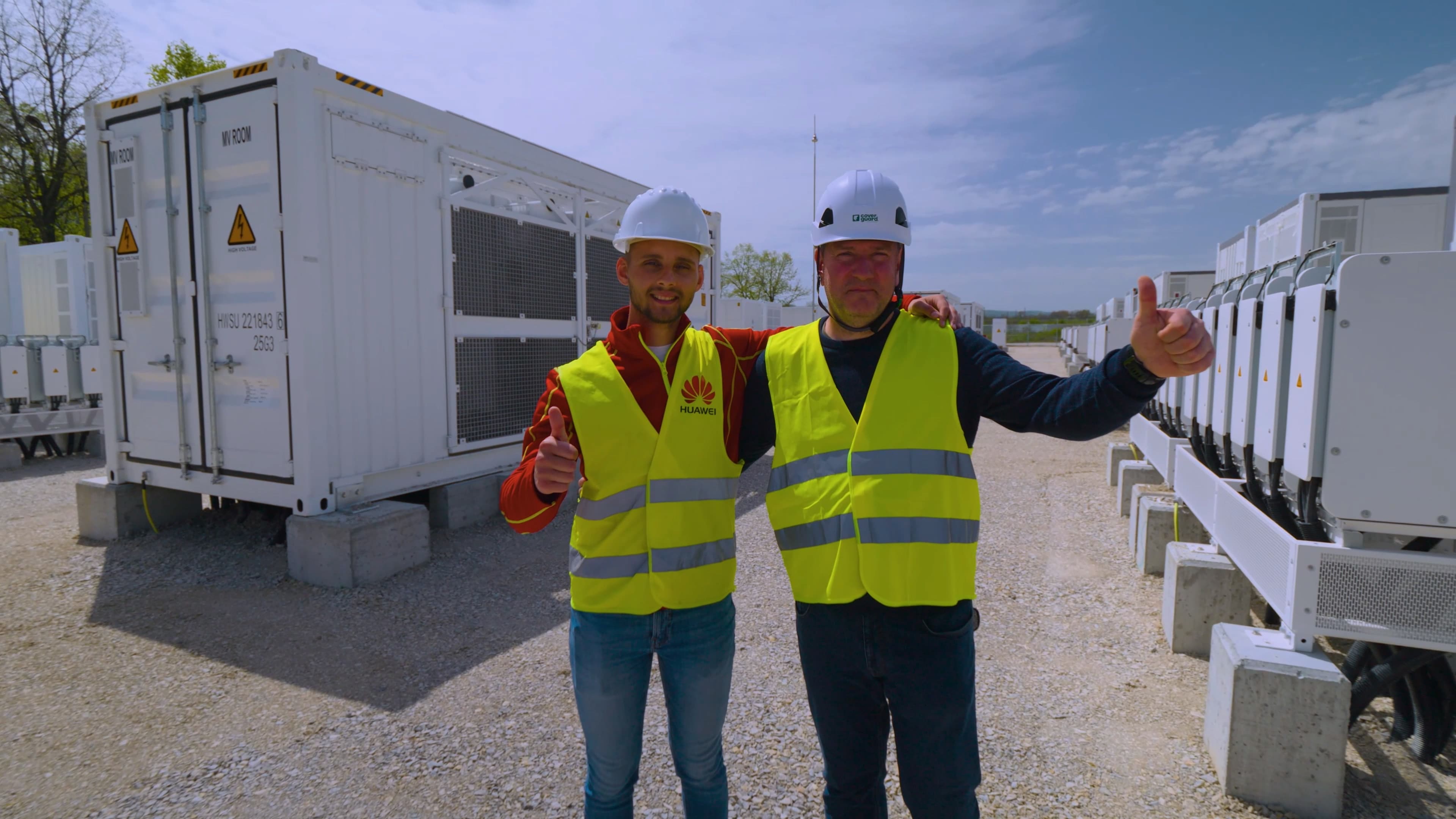
The next few years will be pivotal in establishing wind+PV+ESS systems as a main power source. Huawei is ready to work with industry stakeholders—including regulatory bodies, associations, enterprises, and standards organizations—to advance industry standards. Our goal is to accelerate the large-scale, standardized, and high-quality development of wind+PV+ESS power systems, further bridging the global energy divide by making such systems universally accessible. Together, we can pave the way for a sustainable energy future where everyone benefits from green, stable, and economical power.

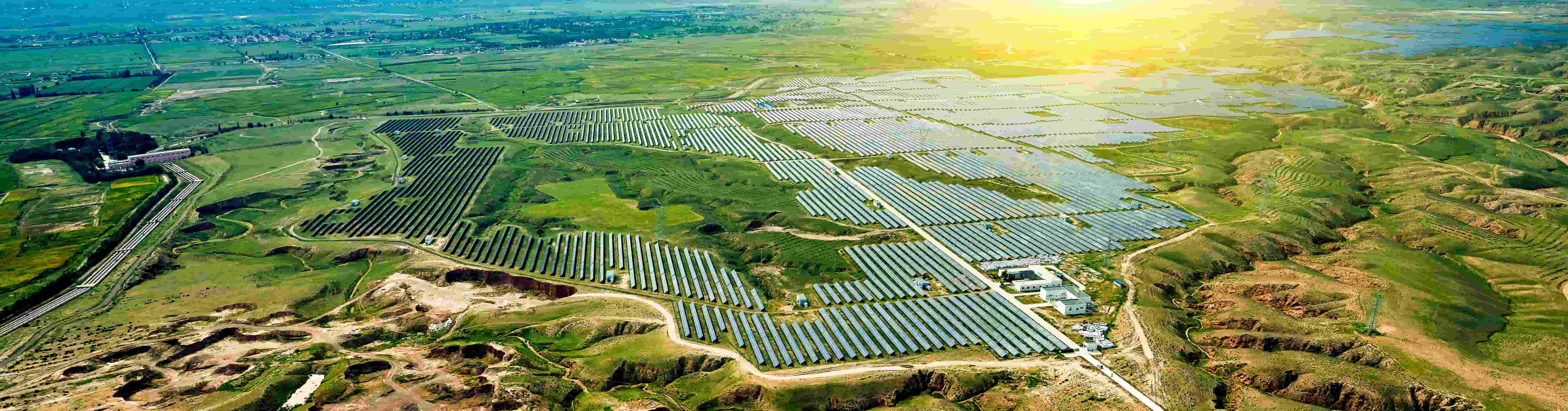


 Sichuan, China
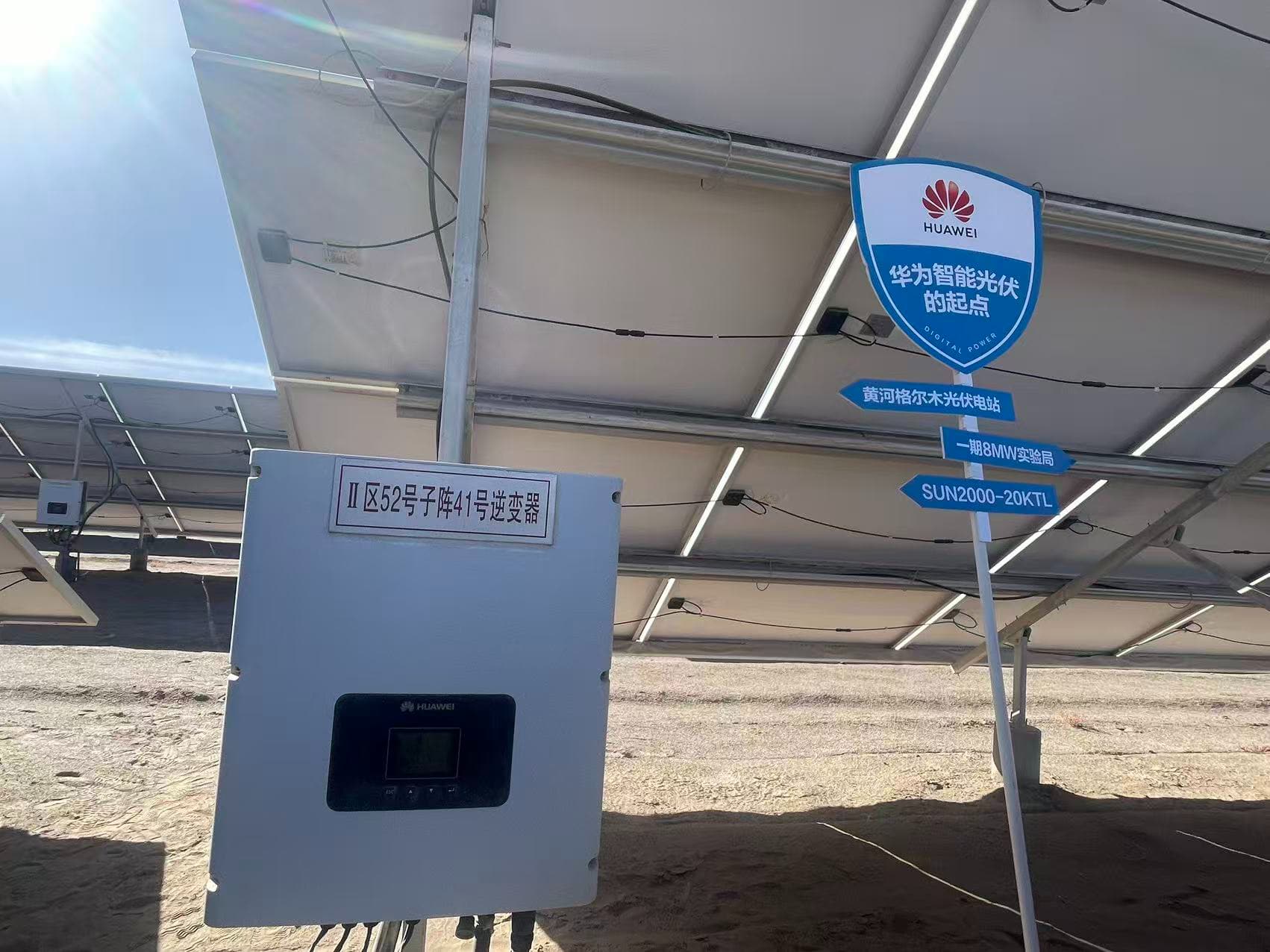
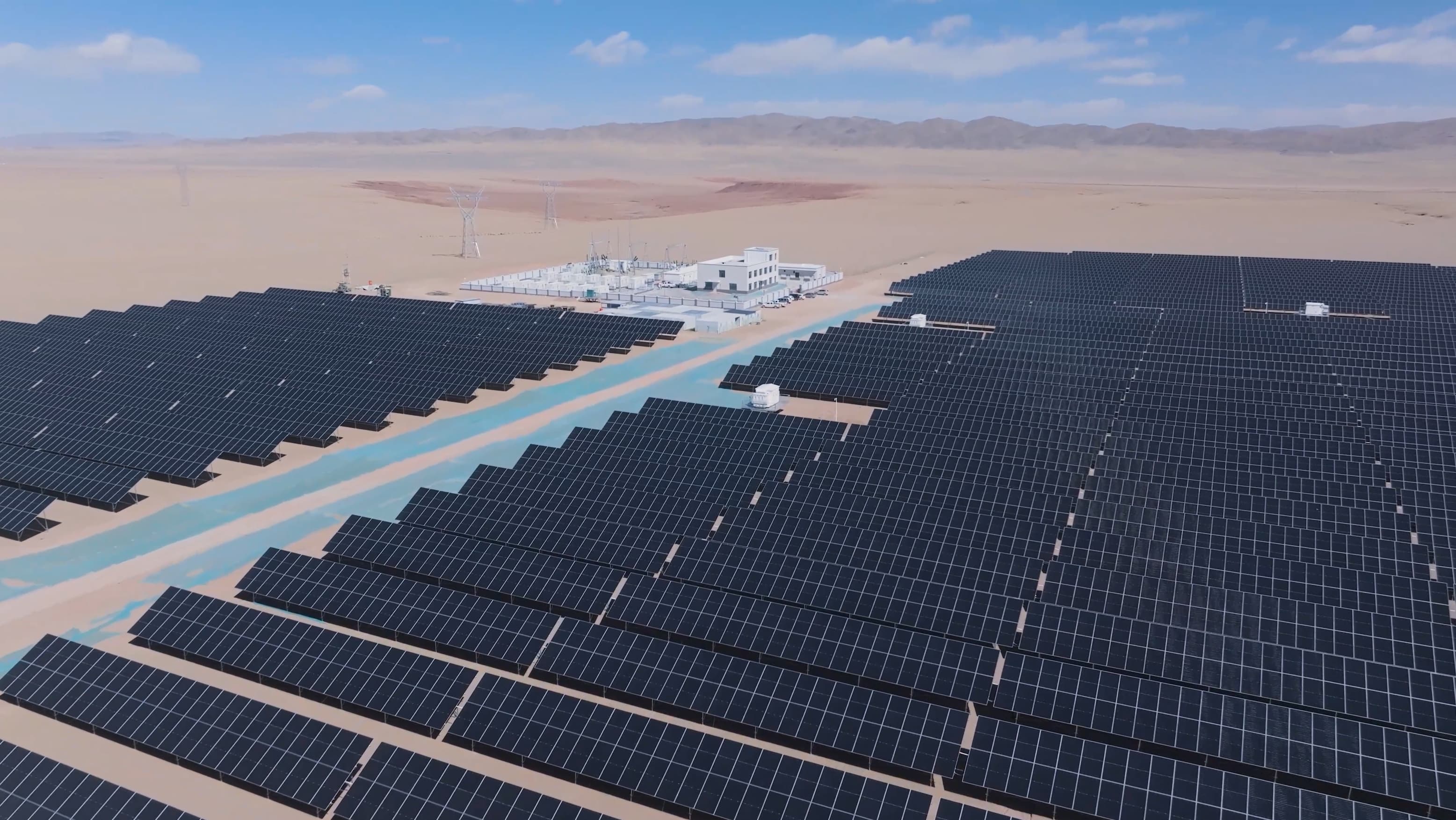
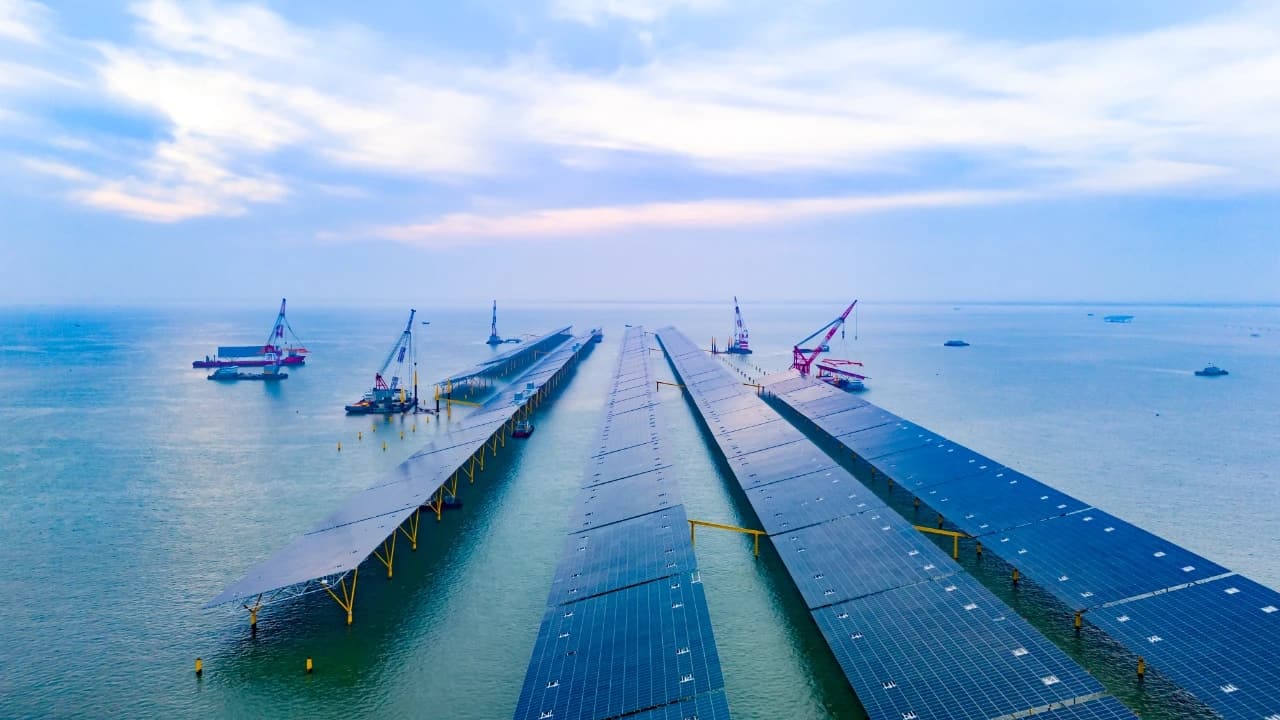
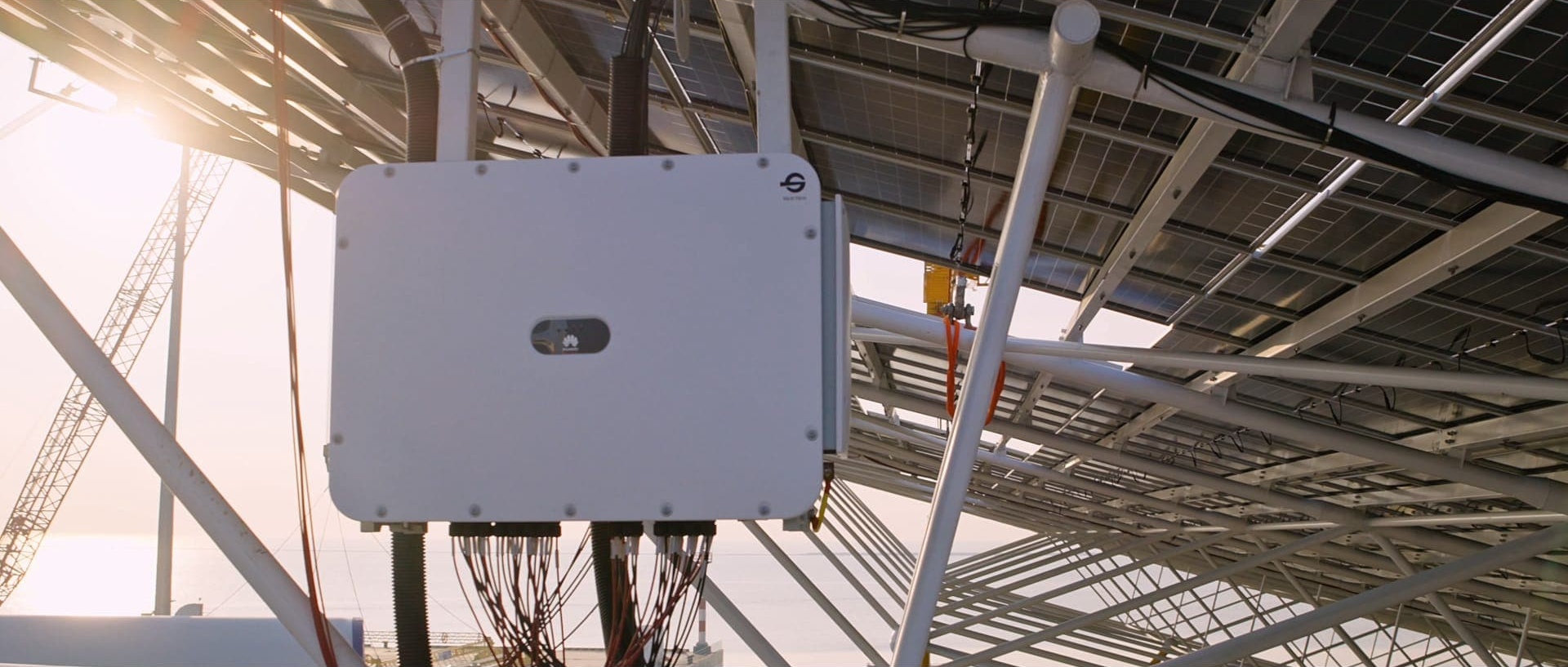
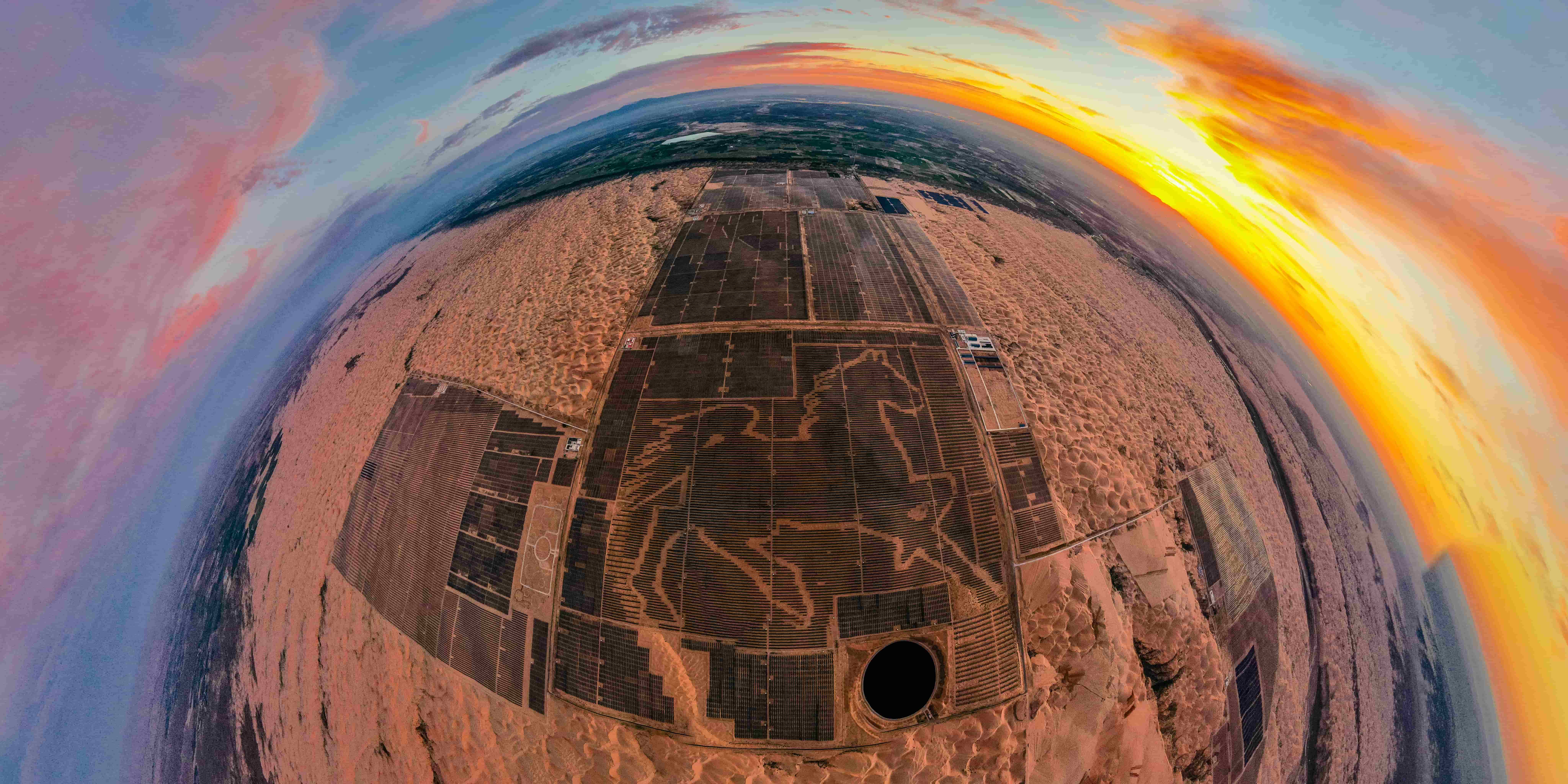

















2025 marks a pivotal moment for the renewable energy industry, transitioning from "quantitative accumulation" to a "qualitative leap." The industry landscape is shifting from rapid, policy-driven expansion toward market-led, high-quality development and autonomous profitability. As the cornerstone of new power systems, renewable energy sources like solar and wind can only support the grid's safe, stable, and sustainable operations by using technological innovation as the engine and high quality as the core.